
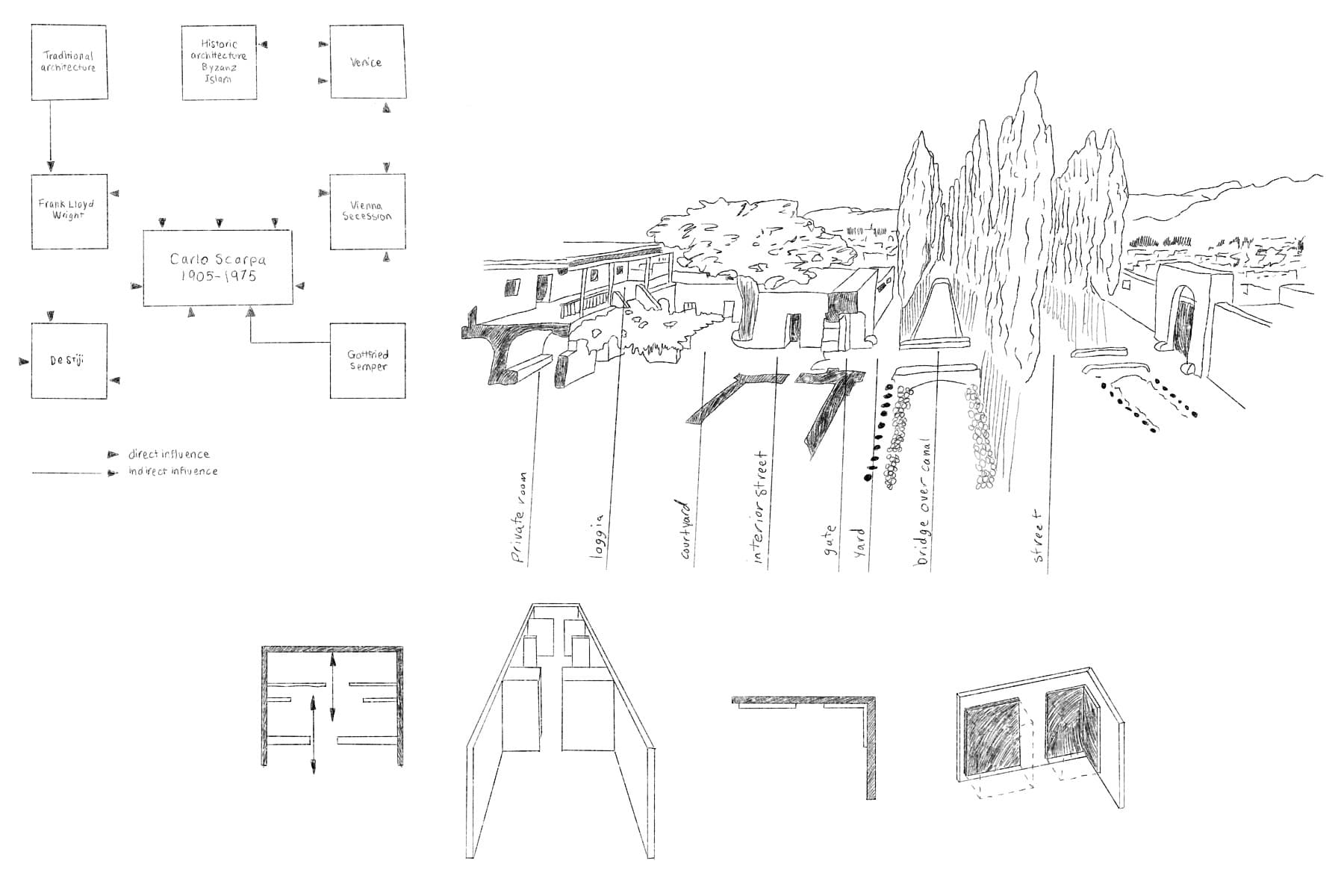
Postcard Analysis
We learned about the basics of adaptive interventions during our field trips and lectures. We were learning about restoration, reproduction, and reconstruction. Also, the research from the likes of John Ruskin and Villoet Le-Duc. During these lectures and field trips, we had to show our research in these analytical postcard drawings.
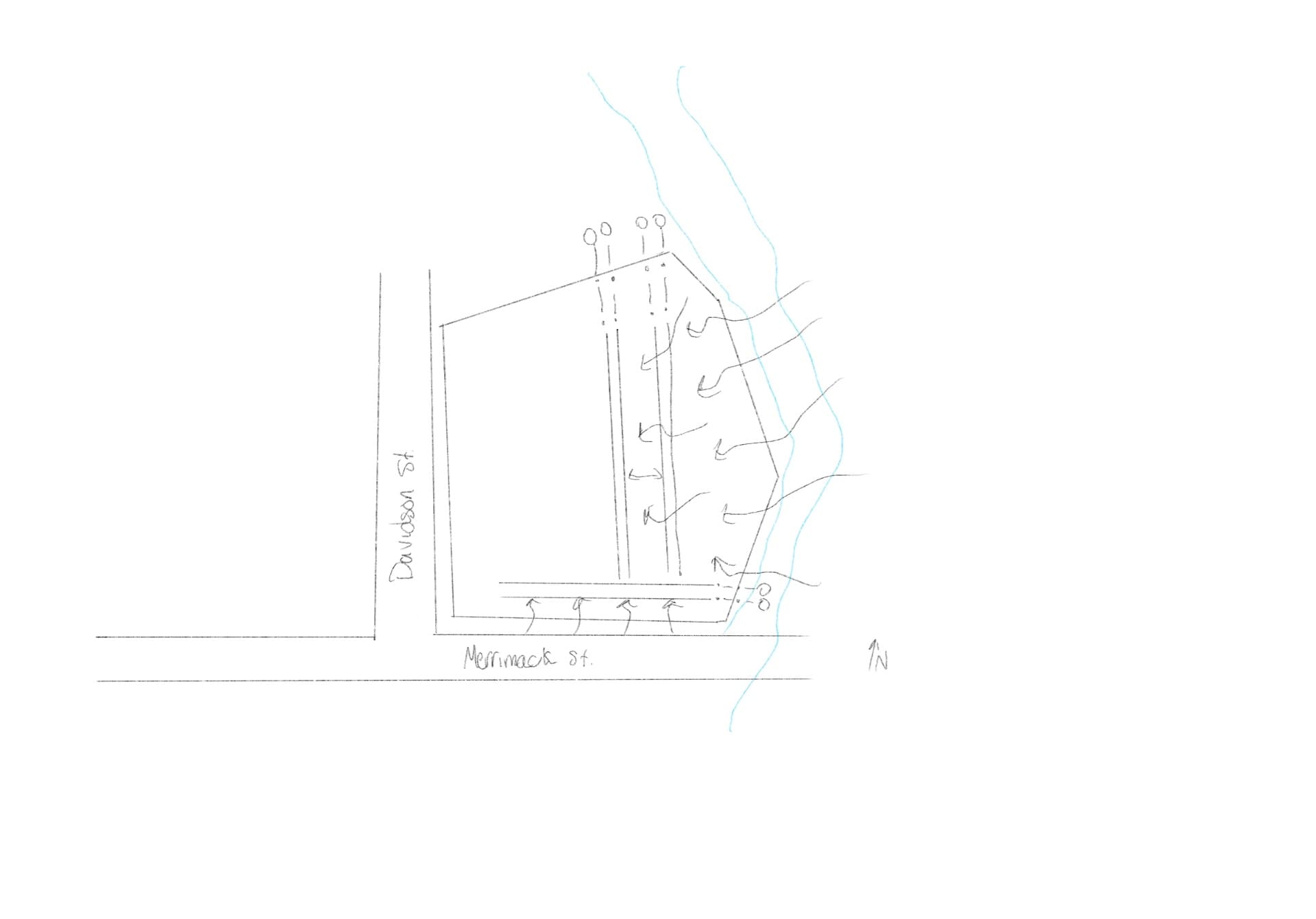
The Birdcage
My partner and I were very interested in creating a double-skin facade. While having exposed structure. Creating this while also having a thermal break was challenging. Still, after discussing with consultants, we decided to create a decoy structure on the outside to cosmetically show the structure but still have a thermal break.
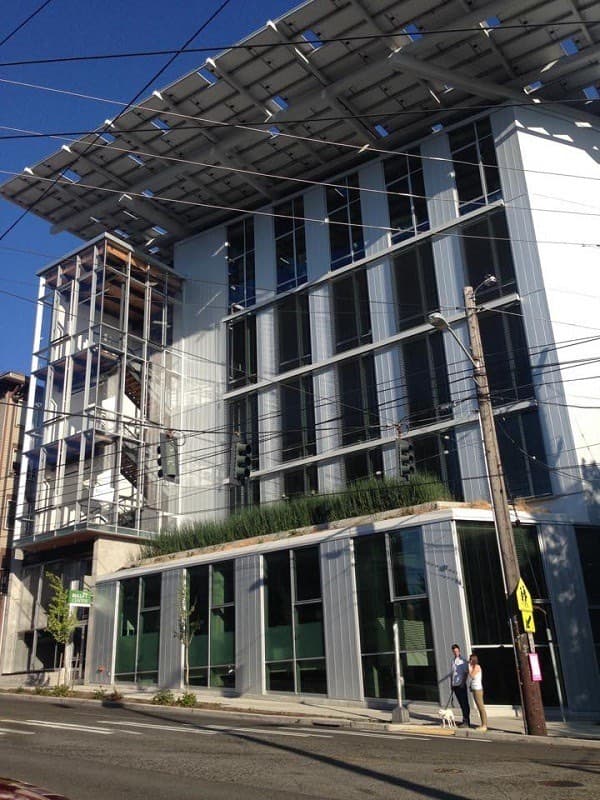
Bullitt Center Analysis
The Bullitt Center is an ambitious experiment to create a new paradigm for 21st century architecture. The realization of this building is a marvel of how visionary building owners, an integrated design and construction team, collaborative regulators, and progressive financial partners are united towards a common goal.
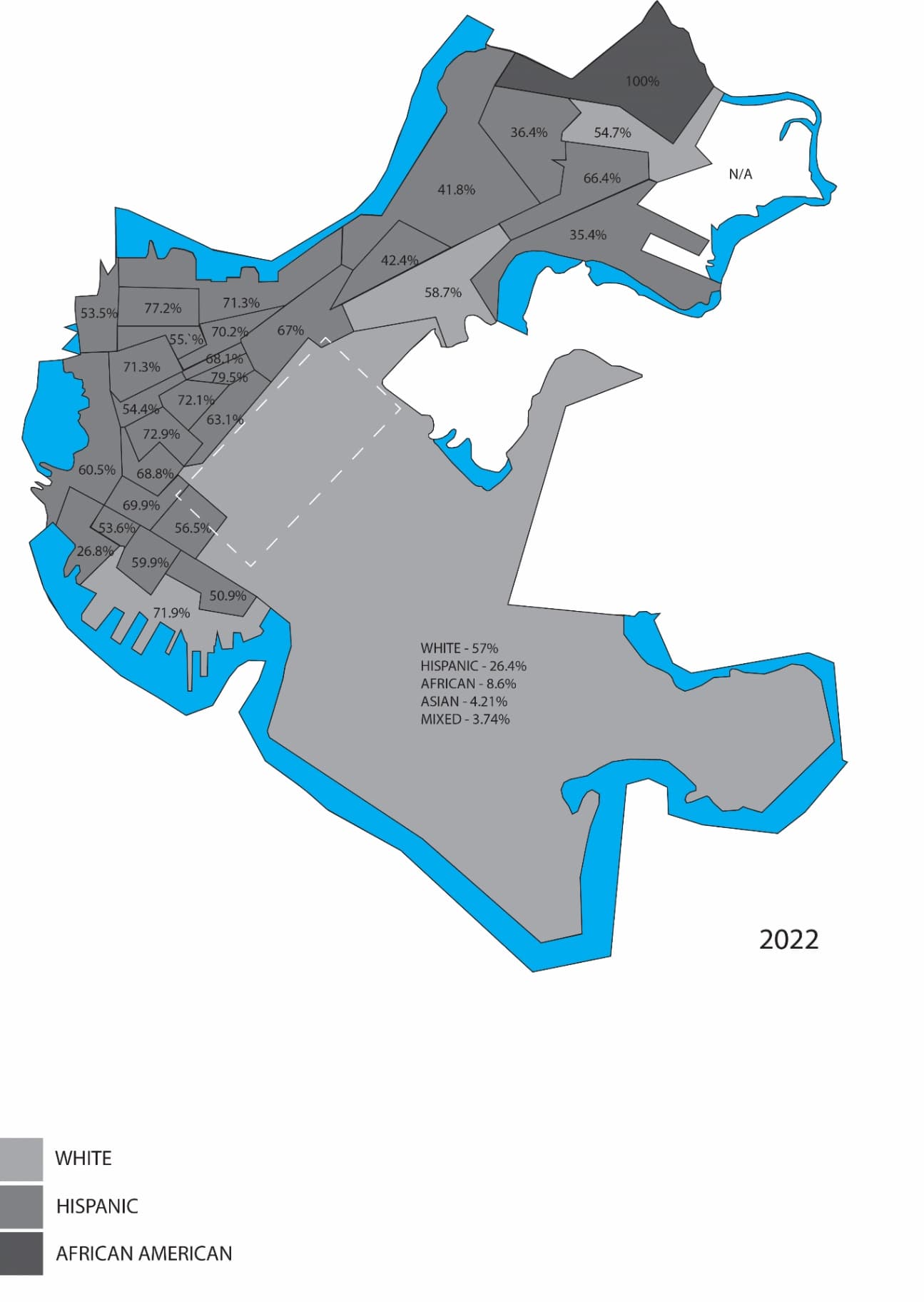
East Boston Housing
East Boston addresses the pressing issue of affordable housing across diverse household types, encompassing singles, families, seniors, the workforce, and artists. Community resources are emphasized, aiming to enhance opportunities and social connectivity in the area. The guidance provided by urban and social framework studies from previous assignments is suggested for consideration in shaping project ideas. The approach encourages viewing these studies as potential sources of inspiration, allowing for independent and evolving ideas to contribute to the project's development.
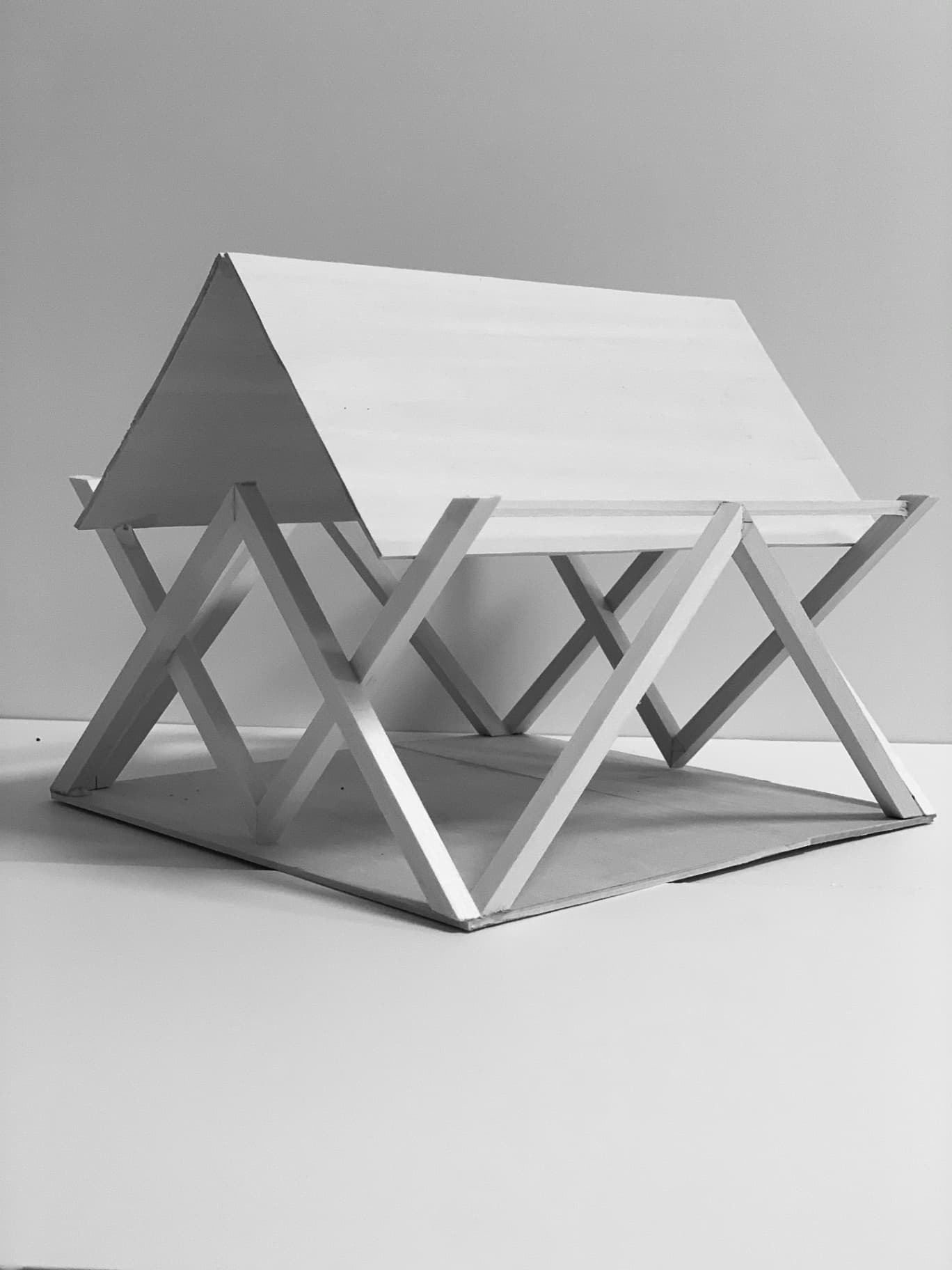
Super Cube
Utilizing the cast shadow drawing and techniques observed in lectures. I had to explain how if you change the location of the light source, then the resultant shadows will change in height and length. The drawing should create the effect of casting shadows onto complex geometries using different light angles and directions. The different light sources affect the lengths and cascades of shadows as they come into contact with the projection planes of the geometry.
 Arch Hive