AN LE
Selected Works

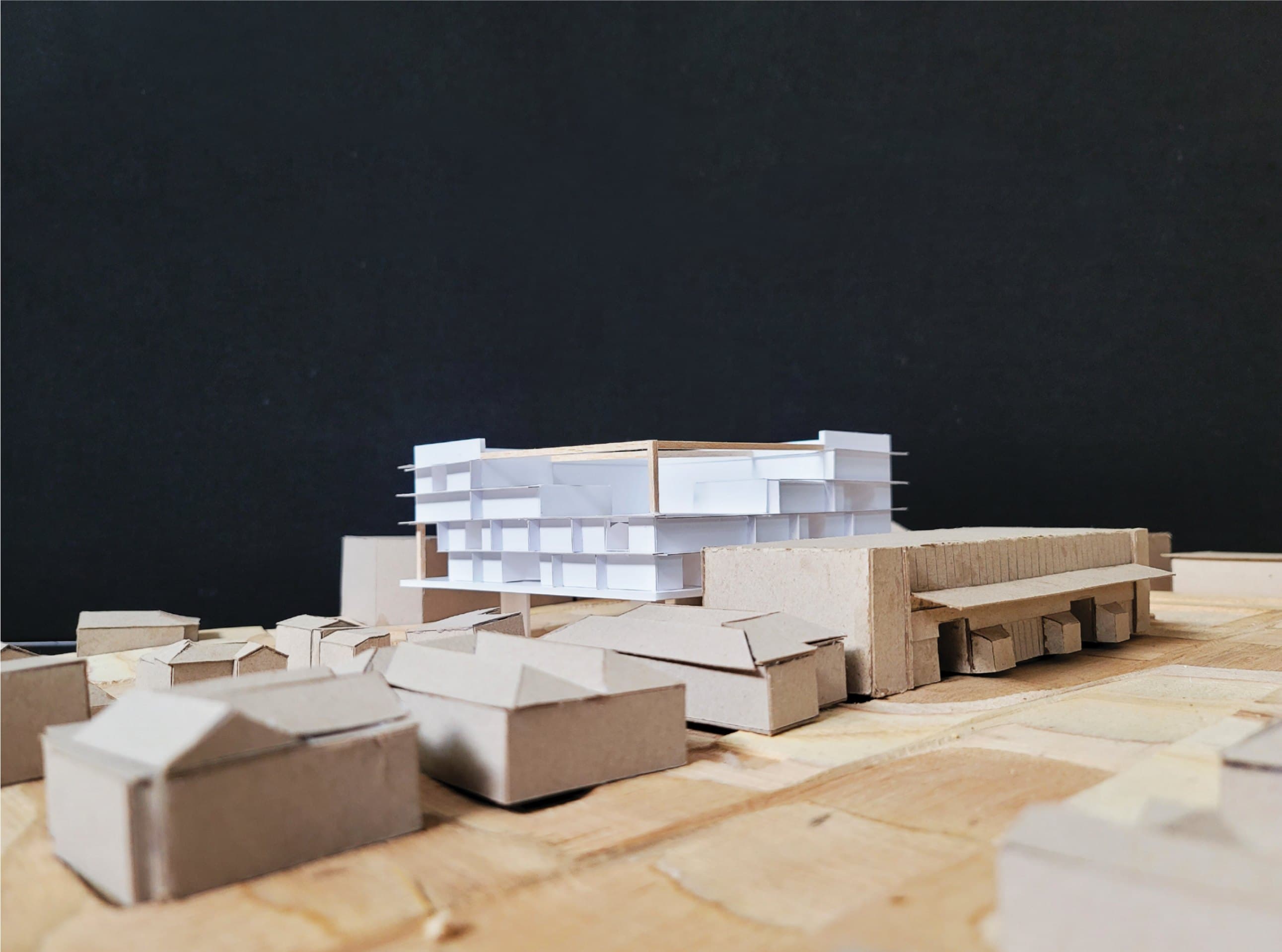
SQUARE ONE
The architectural proposition draws on theories from the degrowth movement and examines its implications for architecture and design. Current debates around socioeconomic restructuring urge us to acknowledge the limits to unsustainable economic growth. In recent years, some aspirational models have emerged as an alternative to the typical market-driven housing market, including Baugruppen (Berlin), co-operative housing in Switzerland, and the Nightingale Housing model (Melbourne). The ongoing COVID-19 pandemic has further prompted a re-evaluation of our current lifestyle and values. Now is the time for a slowdown to interrogate how to do more with less while still achieving a high quality of life. The narrative of housing for growth is that housing not only satisfies basic human needs, such as shelter, security, and sociability but is also a commodity that individual owners can acquire as a quasi-asset. In degrowth theory, housing is a right, and so is housing that improves well-being. Sustainable development is about energy efficiency and using materials but is also linked to quality of life and livability.
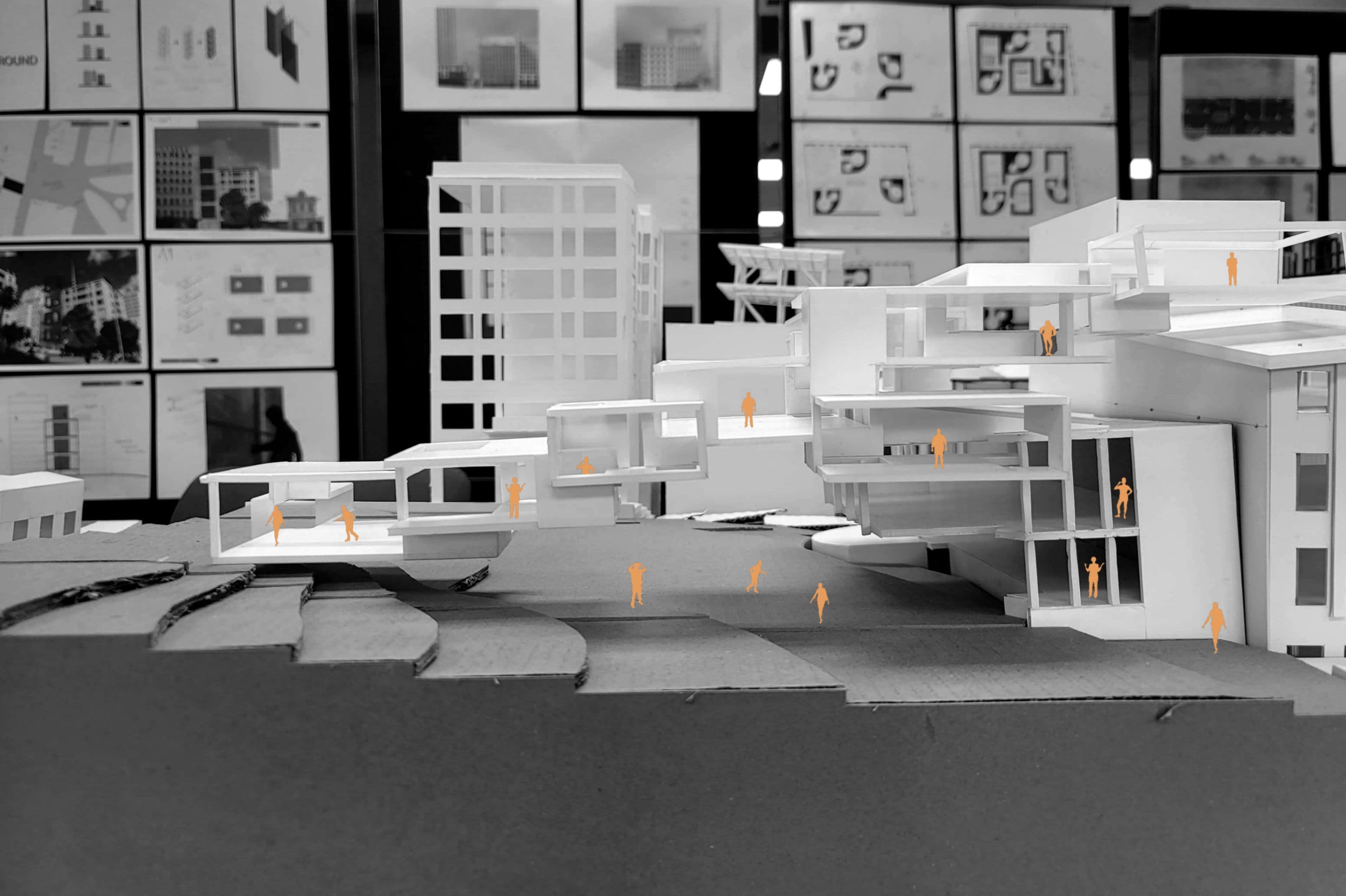
Free, At Last - Ellen Melville Centre
Public spaces are not truly public unless they are free to access and free of charge. A place called “the most powerful public space in the city's center,” yet equipped with locks and cashier boxes is anything but. The EMC or Ellen Melville Centre, adjoining Freyberg Square, was built in the late 1950s and renovated extensively in 2017, promising to “[deliver] contemporary community spaces for the people of the city.”Today, EMC is treated as a venue to generate income by using bookable rooms for events and activities, thus limiting access for the general public. “Borderless” studio seeks to design without traditional borders, that is, property lines, but instead, to create within the local context, considering environmental, economic, and human factors.
![the FOOD [incubator]](/_next/image?url=https%3A%2F%2Farchhhive-images.s3.us-west-2.amazonaws.com%2F2d26253a-b47e-4676-a4f1-9709343ef470%2FIMG_20170508_235659_718.png&w=3840&q=75)
the FOOD [incubator]
San Francisco has been known as one of the most innovative cities in the world. This project is inspired by this city’s culture, technology, and creativity of its unique communities. This studio focus is driven by its program, a communal space that disrupts the typical shared workspace culture in a hyper-density area, emphasizing food production.
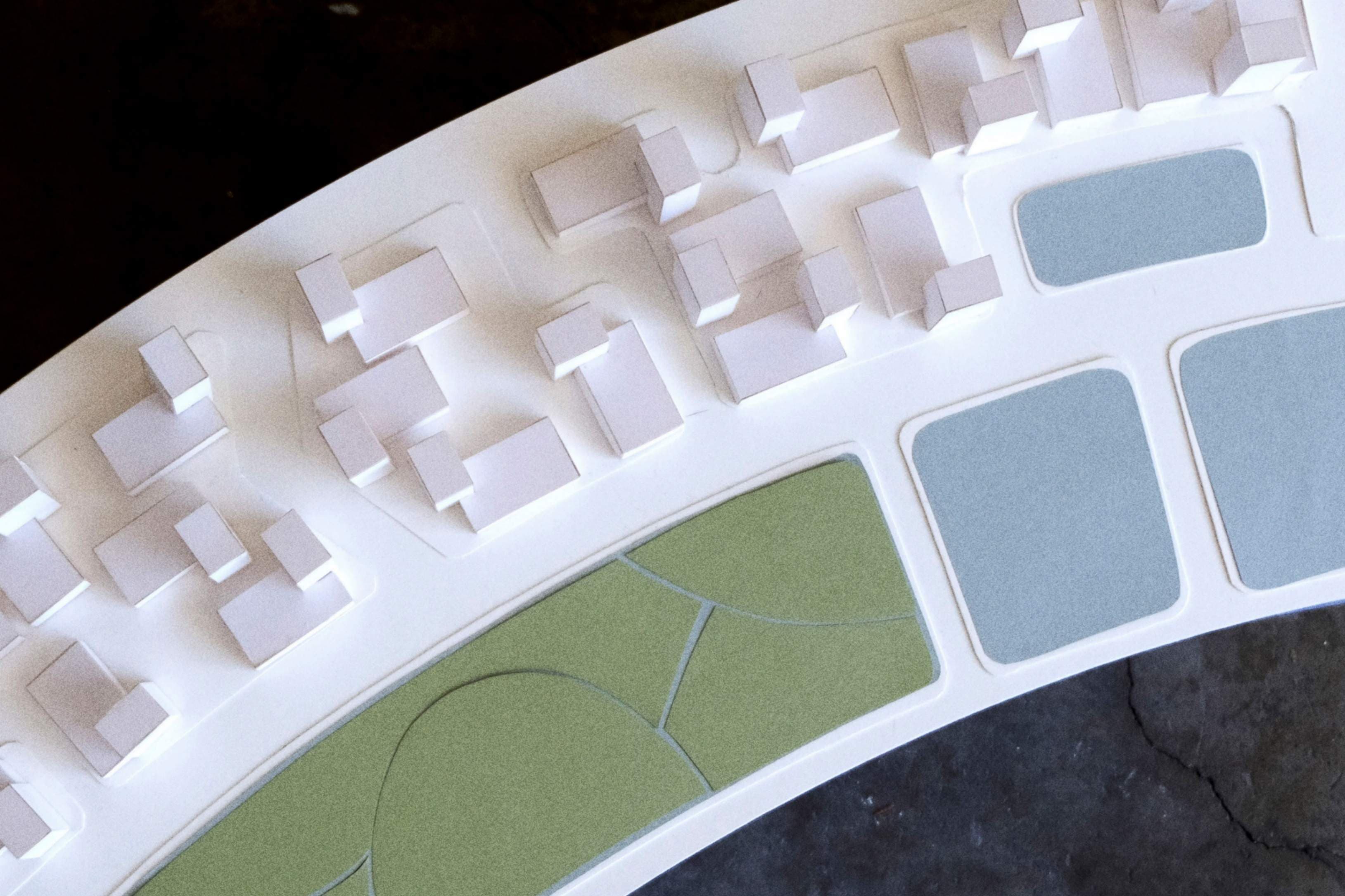
House Y/Z
With a focus on the aftermath of the wildfires in northern California that destroyed a large community, this design is for a “dual” dwelling unit for two single working-class families. The design process began with studies of historical housing, from Sebastiano Serlio’s Renaissance-era housing to contemporary architects such as Le Corbusier and Pezo Von Ellrichshausen.
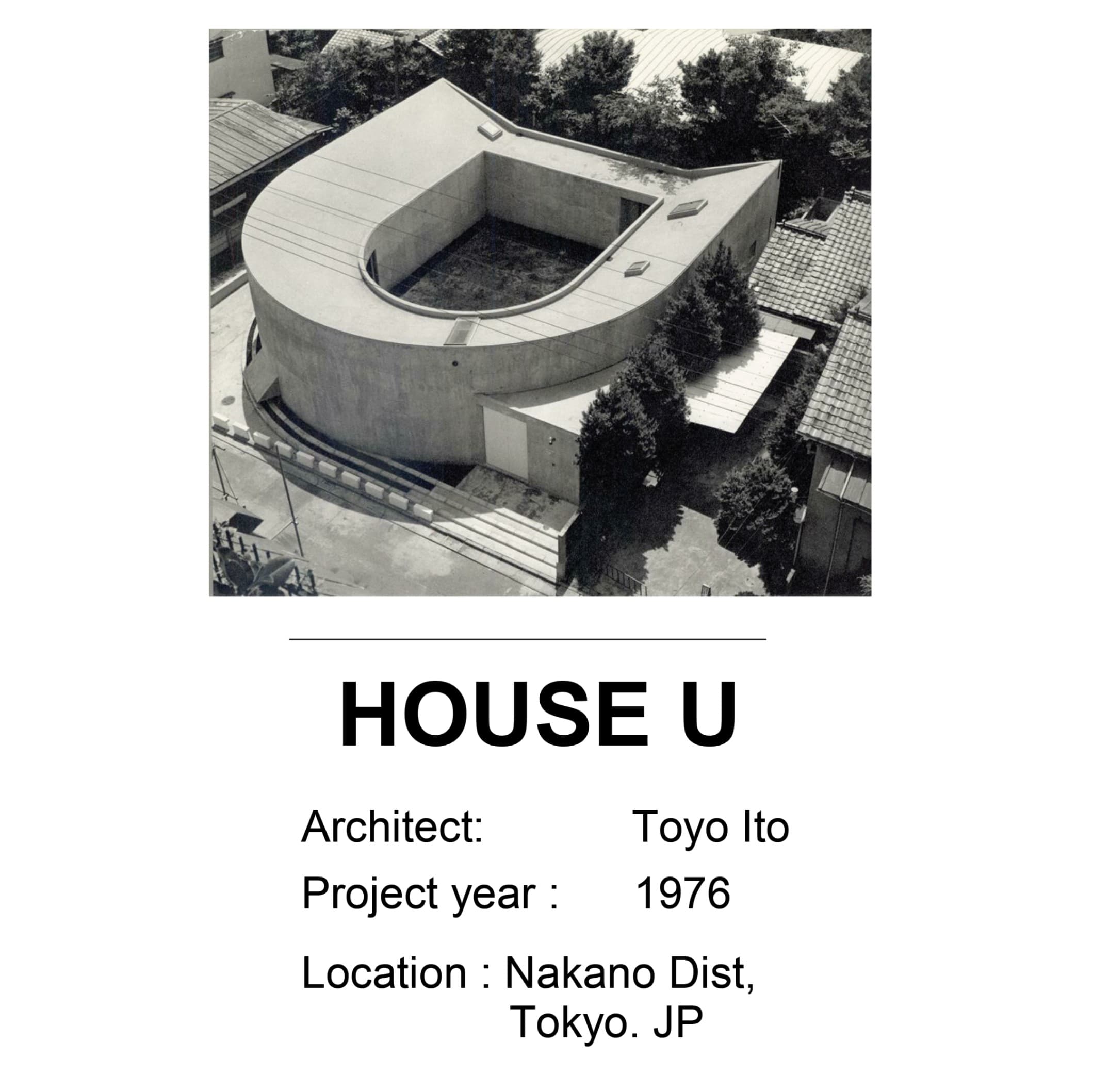
Case Study - Toyo Ito's White U
This exercise takes Toyo Ito's demolished White U House as a case study for architectural interpretation and recreating construction documentation using Building Information Modeling.