Ali Khan
Landscape Architecture
Selected Works Portfolio

In May 2025 I graduated with a Bachelor of Landscape Architecture with a minor in Sustainability from Ball State University. During my studies, I was a dedicated member of the Men's Golf Team, where I developed leadership skills by helping lead the team to a MAC Championship and a berth in national competitions.
Professionally, I have nearly three years of experience as an intern in the Landscape Architecture and Planning department at EMH&T in New Albany, Ohio. This combination of academic and practical application has honed my ability to be an effective collaborator, team member and communicate clearly to achieve accurate project outcomes.
Landscape Architecture is what blends the past, present and future of our environment around us. From golf to urban park design, landscapes are spaces that become woven into our cities to become a "third place" for our communities.
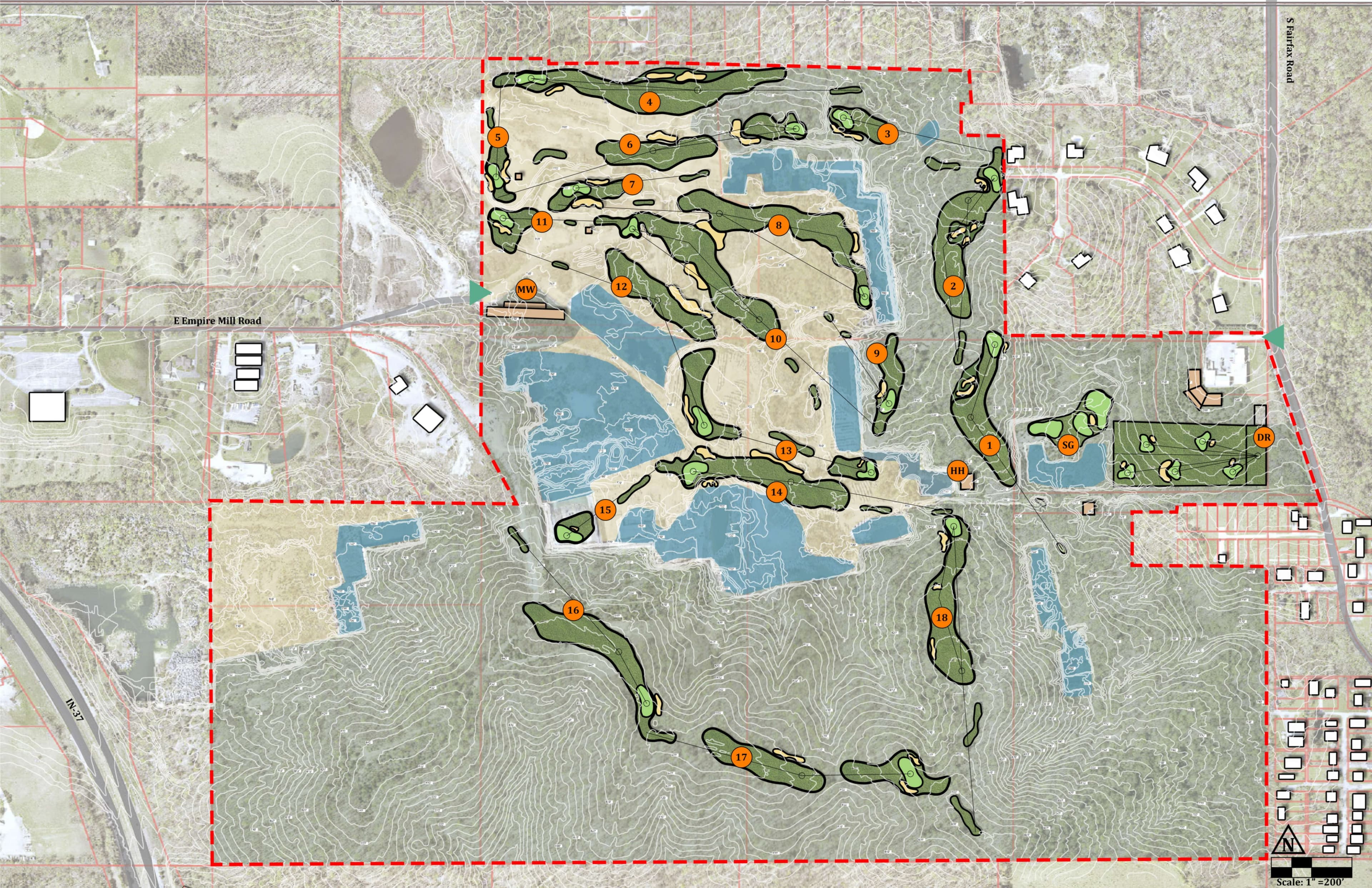
The Quarry Club: Golf Course Design for a Sustainable Future
Golf courses are often criticized for their environmental impacts such as excessive water use, habitat loss, and chemical runoff. The Quarry Club looks to change that. Many courses are undergoing a shift toward sustainability, driven by initiatives like the USGA’s Turfgrass and Environmental Research Program (TERP), which has invested over $41 million in eco-conscious innovation. While the industry has adopted best management practices, a gap remains between sustainability goals and results. This project reimagines a golf course’s role by revitalizing an abandoned quarry in Bloomington, Indiana, into a regenerative landscape that prioritizes ecological health and community value. Drawing inspiration from golf’s origins, in natural Scottish terrain, and modern heavily engineered designs of the 20th century, the design embraces low-impact strategies, native biodiversity, and integrated stormwater management. The Quarry Club bridges recreation and environmental stewardship to create a project that demonstrates how golf courses can evolve into multifunctional landscapes that benefit both people and the planet. Class LA 404: Comprehensive Project Design 2025 Thesis Advisors: Taylor Metz & Sara Mess
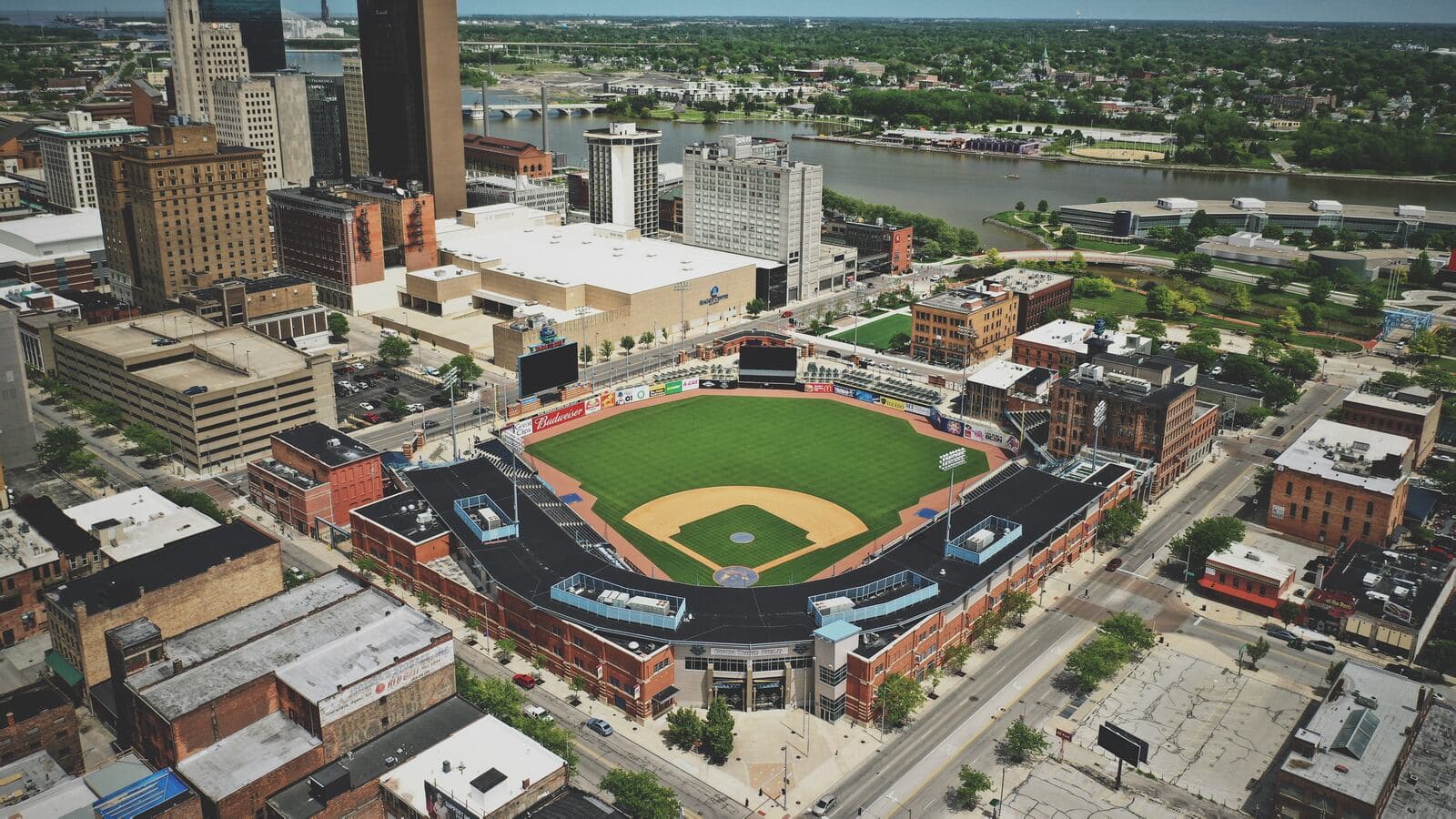
HISTORIC HURON: Revitalizing Toledo’s Stadium District Corridor
The Historic Huron District project is a visionary urban revitalization initiative aimed at transforming the stadium corridor in downtown Toledo. Anchored by the district’s rich heritage, this redesign integrates open green spaces, mixed-use developments, and vibrant sports connections, aligning with the goals of the Forward Toledo initiative. This project seeks to promote growth, enhance community connectivity, and transform the urban landscape into a hub of activity, sustainability, and cultural significance. At the heart of the district are Toledo’s historic landmarks. This plan aims to preserve the architectural history while seamlessly flowing between recreational, residential, and commercial spaces. The district will feature walkable pathways, native landscaping, and innovative water management systems to support urban biodiversity. The Historic Huron District will also emphasize sports and entertainment, connecting the community to Toledo’s passion for the Mud Hens (baseball) and Walleye (hockey). Integrating sports-oriented facilities, green spaces, and public gathering areas will create a vibrant, people centered environment. The project aims to supports the growth of Toledo’s downtown, with a focus on economic vitality, cultural enrichment, and environmental responsibility. This transformation of Huron Street into a dynamic, multi-use district will honor Toledo’s legacy while building a sustainable and inclusive future. Through strategic design and community-driven goals, the Historic Huron District will become a destination where history, play, and progress intersect. Class LA 403: Urban Design Development
The Crossroads: Union City, IN / OH
The Crossroads Regional Trail is a rail-to-trail network planned and designed by Ball State University fourth year landscape architecture students in the fall semester of 2023. The proposed trail system links Union City, Indiana and Union City, Ohio to the Indiana cities of Ridgeville, Richmond, Hartford City, Winchester, Muncie as well as Greenville, Ohio. The focus for the project was on Union City, Indiana and Ohio as the towns fall directly on the border of the two states. This plan puts an emphasis on strategic ways to unite the towns within East Central Indiana as they share a distinctive experience visitors cannot find anywhere else. The development of Railroad Park, financial reinvestment into small businesses, and expanding the existing trail system contributes to the fostering of memorable experiences in Union City. The trail looks to celebrate not only the region’s industrial heritage but also the unique bond between people and their surroundings. The project’s goal has a primary focus on Union City, Indiana, and Ohio. Initially, a field study of the Union City district and a ground-truth study of the proposed trail cities. Chad Spence, mayor of Union City, Indiana took time to express his vision for a trail that unites the two sides of Union City. The goal stated to students was to foster unity within a city that is split between the state lines of Indiana and Ohio. Through the development of Railroad Park in Union City, we created a unified community space at the heart of the regional trail system. The Crossroads Trail System aims to develop a connection within the region that is linked to our goals of creating unity within history, promoting towns’ small businesses, and distinctive branding. As we developed our regional trail, we focused on each community’s historical areas and points of interests for users on the trail. Each city will have spur trails that allow visitors to engage with the town and what they have to offer. The trail will be focused on Union City’s connection with Indiana and Ohio, ultimately creating a greater connection between other cities throughout both states. Class 401: LA Regional Planning and Design Fall 2023 Group 01 students: Noah Keinath Ali Khan Albert Navarro Ryan Rohe
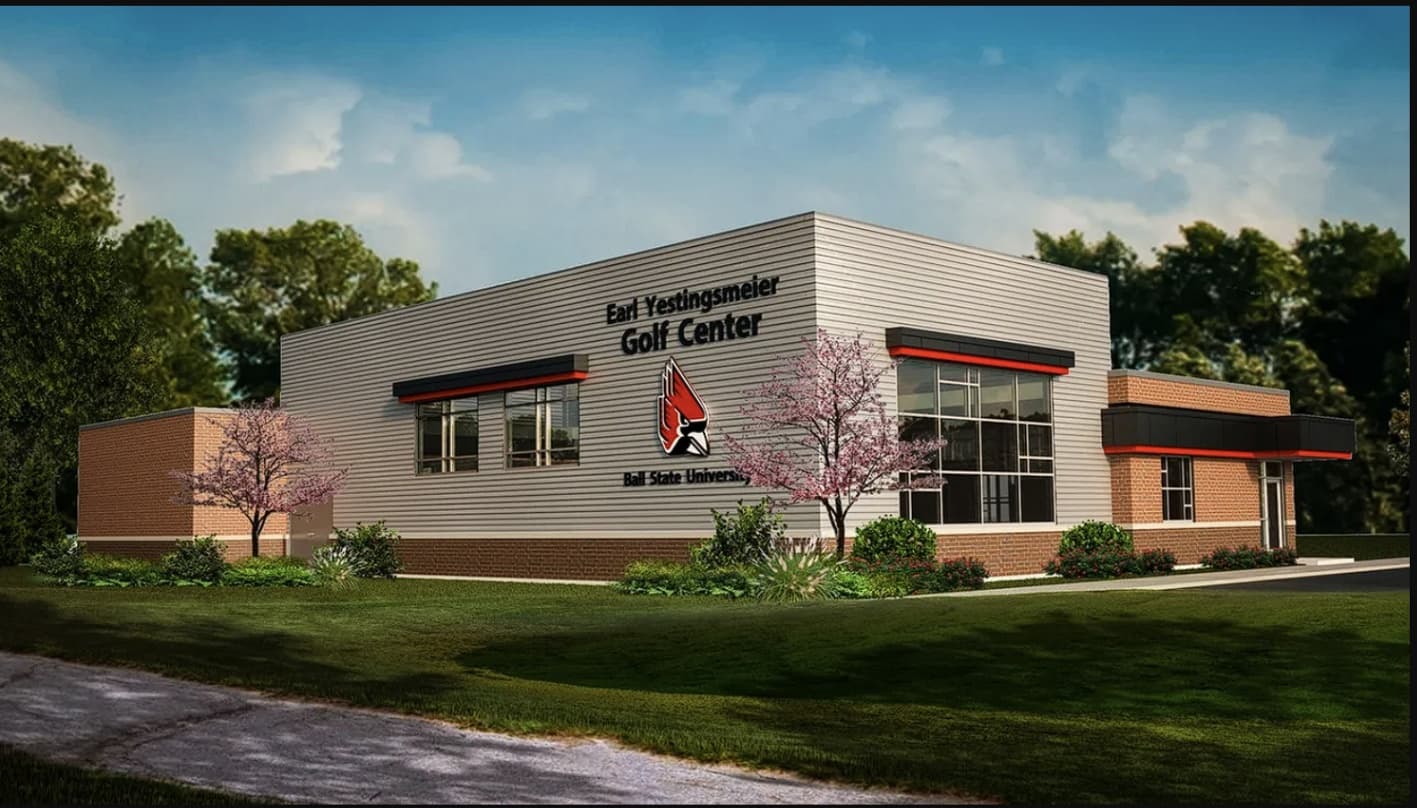
Earl Yestingsmeier Golf Center (EYGC) Master Plan || Ball State Athletics
Ball State golfers train and compete at the Delaware Country Club and at the Earl Yestingsmeier Golf facility. Delaware Country Club is an 18-hole course which is home to the teams. The challenging layout and immaculate conditions on the club are ideal for practice and competition. In addition to this, the players benefit from the Earl Yestingsmeier Indoor Golf Training Facility. The facility has cutting-edge turf putting and wedge area and offers TrackMan technology, SAM-putt lab, and simulator bays for year-round improvement. These facilities, along with skilled coaching, provide Ball State golfers with the tools to compete at the top level while maintaining the program’s rich heritage. This master plan of the EYGC breaks down the existing and proposed facility features that are centered around development and recruitment of the next best golfers at Ball State and in the MAC Conference. The proposed changes and additions to the facility are designed with the consideration of current and future players in mind with a focus on training and development on campus. Class CAP 498: EXISTING FACILITY ASSESSMENT FOR CAMPUS MASTER PLANNING Spring 2025 Professor: Joshua Vogel Populous Global Architectural Design
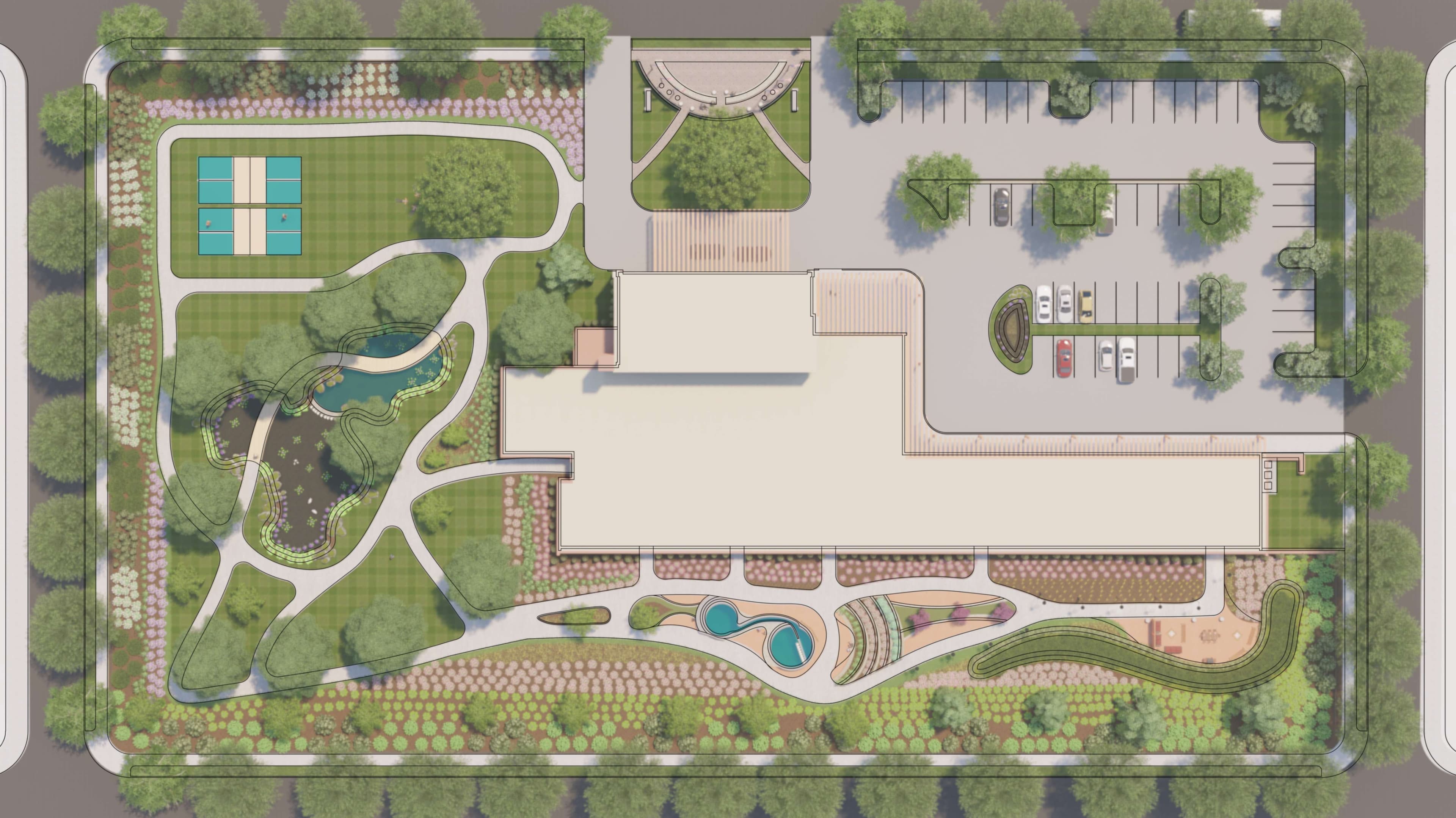
A New Muncie, Re-Defining The Muncie Delaware County Senior Center
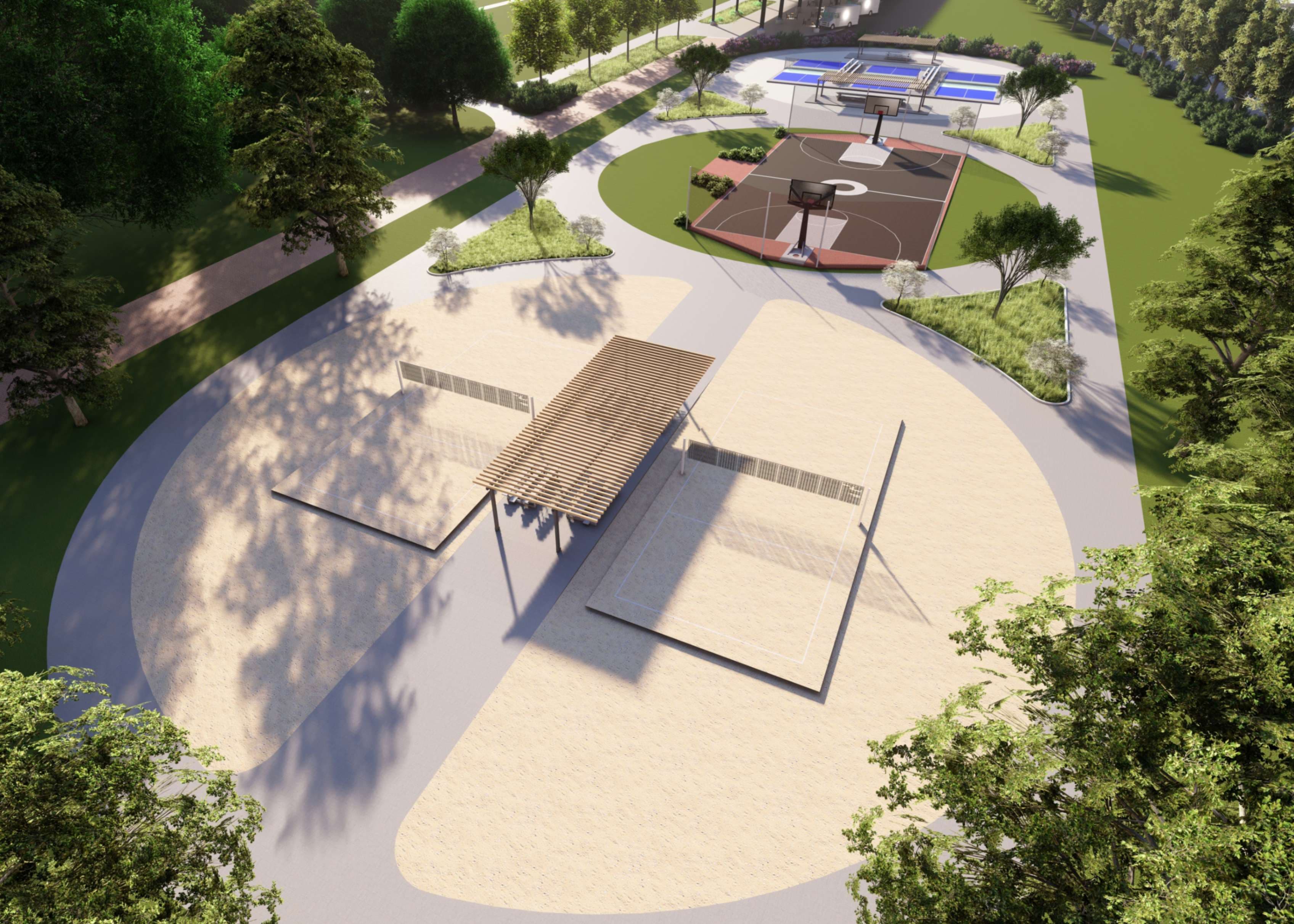
For this assignment, I revisited a studio design project to refine the layout in order to create a planting design and a more refined design. We had to select a past project from a previous studio that is complex and large enough to incorporate a variety of plantings. I was allowed to tweak the original layout design to provide spaces for plantings and to improve upon the spatial quality, edge definition, circulation, focal points, etc. The Senior Center site was created in order to connect the elderly to the community and access vital health benefits to stay healthy and independent. To address that, the new program of the senior center will allow the members of the senior center enjoy outdoor activates such as cooking, walking, and games such as pickleball, shuffleboard and yoga. I strived to develop a place that will become a meditation, relaxation, and accessible space to enjoy a habitat walk of native Indiana plants and animals. The botanical, social and naturalistic aspects of this site will attract people from all over Muncie and grow as a focal point of the city. MARCH-APRIL 2023 LA 302 PLANTING DESIGN

Get In Touch
 Arch Hive