Back
EVOLUTION AS A CONCEPT OF A FUTURE MEGA INFRASTRUCTURE UTOPIAN EMPIRE
Category: Landscape & Urbanism
EVOLUTION AS A CONCEPT OF A FUTURE UTOPIAN RISE REFERS TO THE EMERGENCE OF A HIGHLY EFFICIENT AND ECOLOGICALLY BALANCED SOCIETY THROUGH THE RISE OF TECHNOLOGY AND SOCIAL CLASSES WHICH GIVE BIRTH TO A FAR MORE SOPHISTICATED INFRASTRUCTURE - AN OCCURRENCE OF WHICH IS REALIZED AS AN INTELLECTUAL EVENT HORIZON, WHERE HUMANITY TRANSFORMS AND ENGAGES A NEW PURPOSE FOR THE RISING FUTURE The 1st stage of images will part of a more conceptually driven city with a more exaggerated interpretation of visual approach to emphasize on the rapid technological growth of cities in developed countries. The 2nd stage of images will be a more direct approach that suggests more practical solutions and architecturally designed buildings within a green environment. ‘It has become appallingly obvious that our technology has exceeded our humanity’ (Quote 1, Albert Einstein) Jack Fresco a leader of technology and engineering future thinking imagined a future of technological and sustainable supremacy within the world, free from government limitations. He envisioned a future where transportation would be revolutionised and people would live in high tech building structures within nature, revitalising the whole structure of society as we know it. The Venus Project was inaugurated by Jack Fresco and is a non-profit organization that recognizes the important connection between global resource mismanagement and problems such as war, climate change, poverty, and hunger. In the broader context, these are all detrimental results of the current socio-economic operating system. In response to these challenges, this organization presents solutions through the holistic application of science and technology, a systems approach, and living within the carrying capacity of earth’s resources. If applied wisely under the current constraints of energy and material sources, it could hold the potential to make far-reaching positive impacts by utilising all the necessary resources to promote and engage a strategy in restructuring the architecture and engineering of such societies in the future world. Visionaries, futurists, physicists and scientists believed that the world we inhabit can become a new reality through the advancement of technology, restructuring the whole economic and technological approach that our world depends on and relies on the progression of such systems to allow the evolution of humanity. Transportation, utilisation of resources and the integration of new technological breakthroughs for our survival can become realisable through the industrialization and redevelopment of better and highly advanced societies and adaptive sustainable architecture through nature. Future infrastructure is rapidly changing. Look at Dubai's artificial and highly advanced technologies that have changed the way a society has been organized according to the planning and construction of artificial cities, buildings, train stations and road infrastructure. What if better feasibility studies and research could lead to an advancement on futuristic arrangements that could take place in the forest and mountains, using nature as a resource hub for the production of crops, growth of organic food supply, solar based glass dome enclosed greenhouses, aquaponic and hydroponic systems, geothermal engineering that could capture the heat beneath by harnessing heat from the earth's crust to power electricity-generating turbines for the use of other transportation facilities such as supersonic trains or even hyperloops which would provide eco friendly travelling solutions with 0 carbon dioxide emissions, whilst all leading to the total regeneration of a holistic versatile use of an eco friendly and highly renewable energy efficient communities. What if? Could this happen? Technology needs to be changed in the way its used and bring a positive transformation. Everything should work together and become one through an intelligent, progressive, careful planning within a harmonious cultural hub of different populations that can fully coexist and adopt technology through nature. The future is part of what humanity exists, thrives and depends upon it. It is inevitable to stop the future from expanding and developing throughout generations. The need and commitment for what ‘it’ is worth has to promote and provide innovative and far, far more eccentric ideas-composing and compiling the fundamentals, features and characteristics which will inevitably create something better, symbiotic and harmonious for what is thoroughly expected. Cities, towns, small neighbourhoods and in general the earth that we now inhabit is part of what could become a larger and sophisticated living environment depending upon the evolution of urban, rural, modern, globalized, spatial and utopian infrastructures which will eventually control our future habitable societies. Marxist’s critical thinking was significant regarding his respect to the Utopian forms and the future construction of sufficient communities which spread along the mapped world. Having a vision of the future, realizable or not; the impulse to speculate about the future using one’s hopes, wishes, wants and dreams; and the construction of one’s vision out of just such materials complied to what generally has and is yet becoming a form of suggestive scenarios and critically progressed architecture. (The Utopian Vision of the future (Then and Now): A Marxist Critique Bertell Ollman ) Our society will play an important role to the broader conceptualization of what has never been built but still visualized and critically presented in such constructive ways where our humanity has already begun to realize and act upon them. In relation to the future aspects, an important part of what has become the ingredient; of an evolutionary world and has brought up the aesthetics and confrontational irregularities of theory and speculative forms of architecture, is what we state as the ‘history of the past that conquered rationality’. Based on the above, an unresolved theoretical concept that rises upon questions is: if these visions and predictions help to improve and conquer the individuality of the current world that we were entitled to live and expand, into far more sophisticated and innovative tendencies of the architectural and historical revolution for the rising future, would they be able to survive long enough to sustain and adapt these environments up to a level where everything could be managed successfully? The question will stay unresolved as we do not yet know the reality and the rational side of the outcome. Almost all researches, artists, architects and conceptual scientists have been going through hundreds of possibilities that could enable humanity to adjust new requirements for what is worth relying for the coming generations. From what we have realized so far by understanding and identifying rules used in the past until the present time is that the term of the imaginary has raised so many questions and solutions for the unfinished purpose of engaging and transforming the reality into a form of progressing events, some of which have never been created and others which are currently being explored. Change, and in particular transformation—one form changing into another—is not simply a matter of the alteration of an existing form to create a new one. Rather, change creates what we could call a third form, really a third state which is the state of changing, itself. We are so accustomed to thinking in dialectical, binary terms, employing either-or reasoning, that we overlook or consciously avoid the in-between state of change, which is really the state we continuously inhabit. (Lebbeus Woods). Based on the principle and the scenario of changing the present world into a future state, whatever the implications and consequences may be, it will eventually require a certain form of architectural and technological adaptability for identifying and relying on solutions that will become the initiative structure for improving and sustaining the environment and human life as we know it. Moreover, based on the above statement it is a certain fact that with the rise of such evolutionary technological inputs and the stretch of a far more productive architectural and design interference within the industrial world there will be a considerable amount of social, political and economic diversities leading to new immediate directions of Utopian or Dystopian and Urban challenging societies. Comparing previous technologies and the ones rising in a fast trend in the field of science, engineering and the art of profession leading to the improvement of knowledge in an expansive, cultural range, it is definite to state that this will become part of a subservient approach to the upcoming sophisticated and relentless generations. Neom cities have now become incredibly popular due the immense technological but also economical input. Several countries are trying to revitalise and bring tourism forward through a financial increase in the infrastructure Industrial sectors in combination with a push in technology by introducing immerging highly advanced ecological architectural designs and eco friendly transportation methods that would allow people to live in harmony through a more Utopian nature based and well planned society. Taking into account such concepts I have designed the first stages of conceptual NEOM cities which would be fully integrated within nature and bring eco elements in the architectural phase. Based on those assumptions and arguments, regarding how our world could be transformed in the coming generations more radically, perhaps with an exaggerated response to humanity's existence, I have developed a set of images that show what a highly self sufficient eco Utopian society could look like in a far more technologically advanced future.
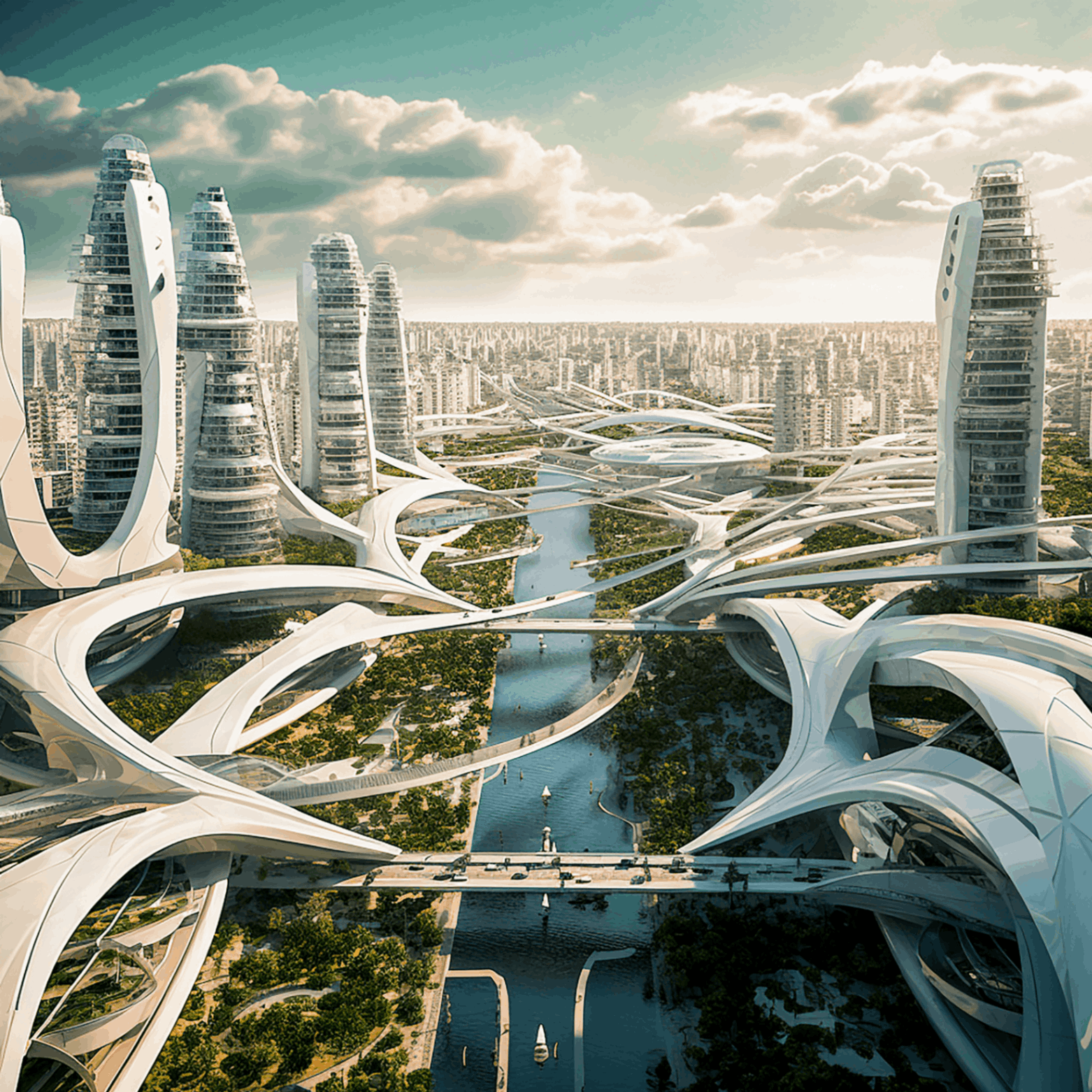
1st STAGE- The rise of a futuristic technologically progressed Utopian Empire
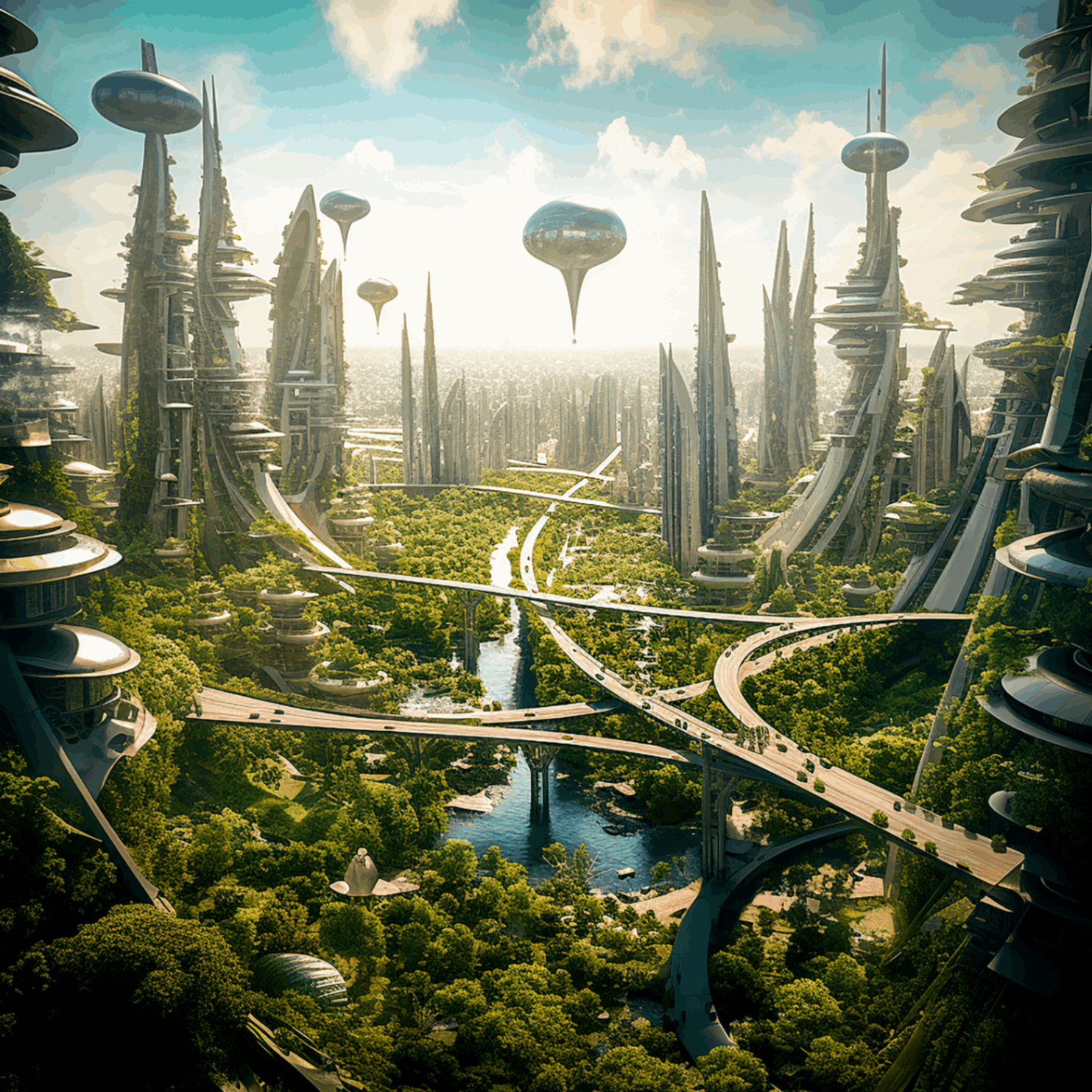
1st STAGE - An interconnected networking system of an eco-friendly Utopian Society
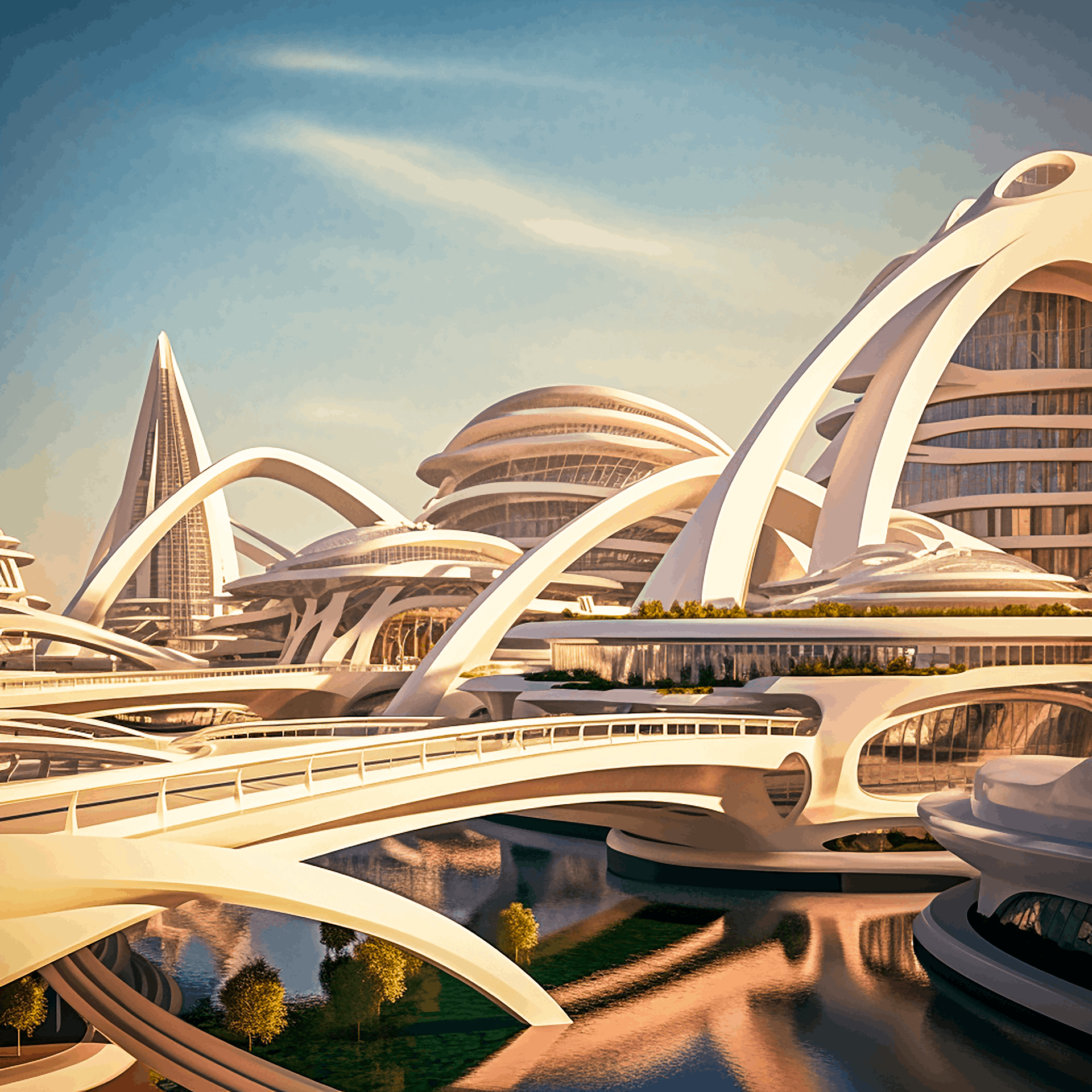
1st STAGE - Minimal Utopian Urbanism
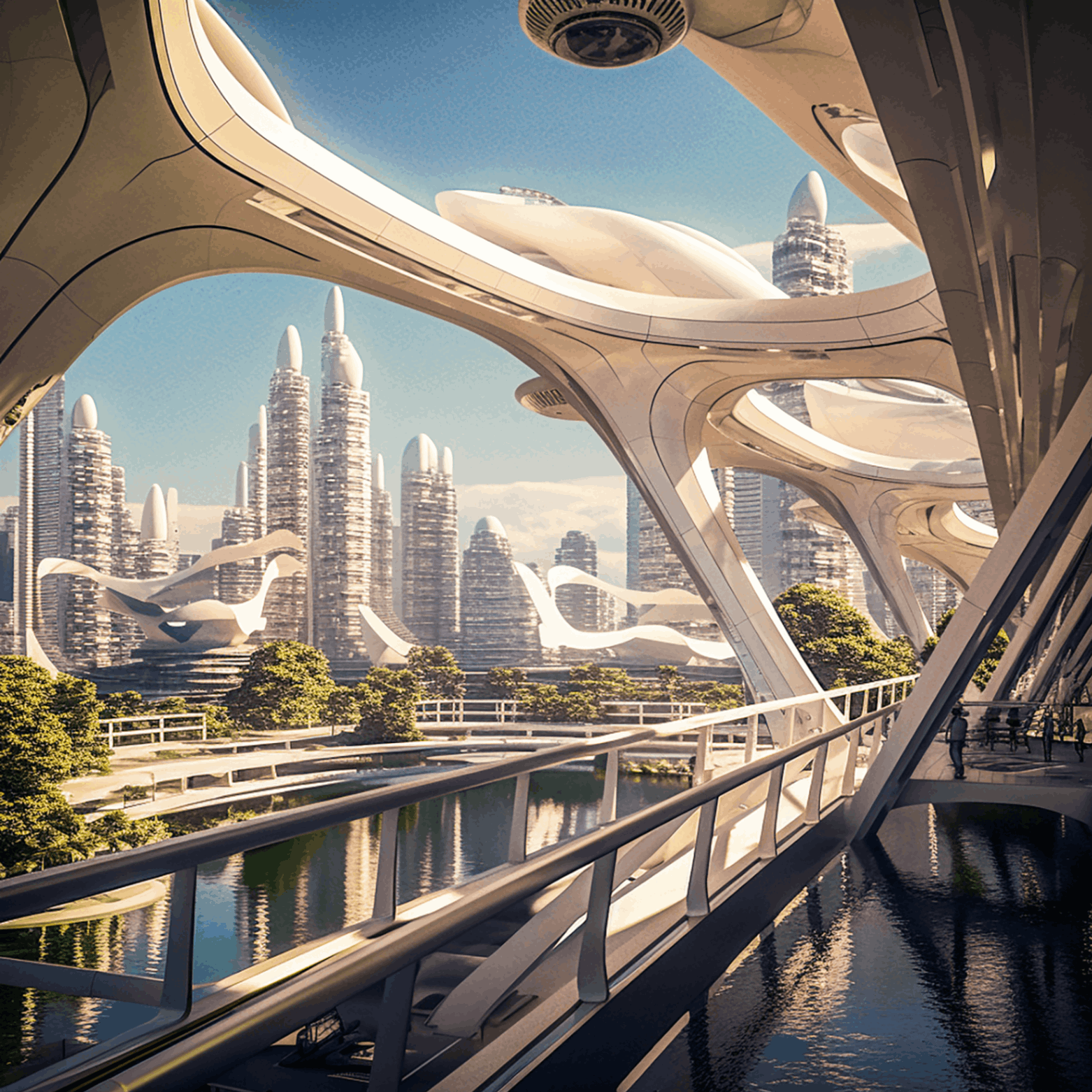
1st STAGE - Looking towards a Utopian City
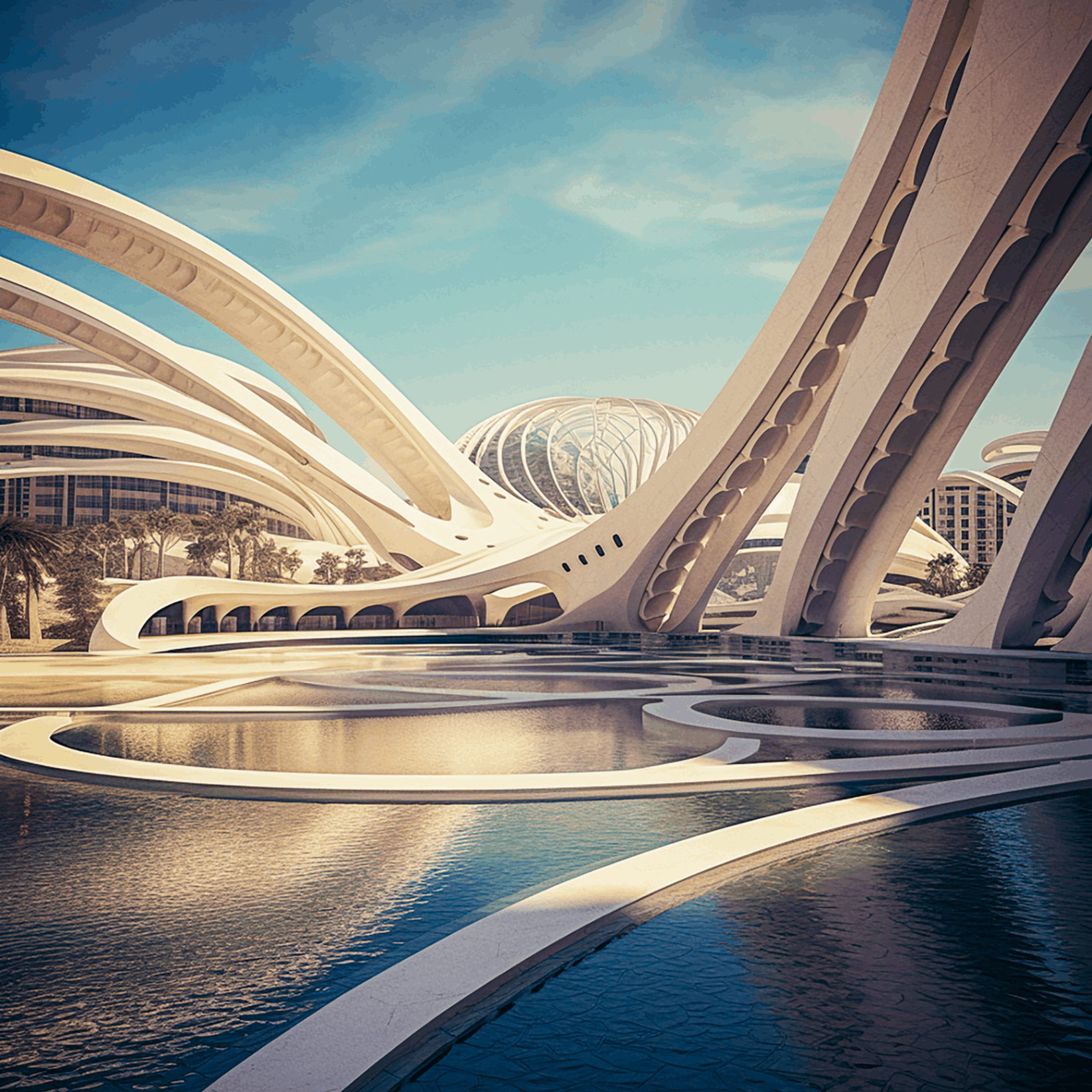
1st STAGE - Buildings of a Utopian urban environment
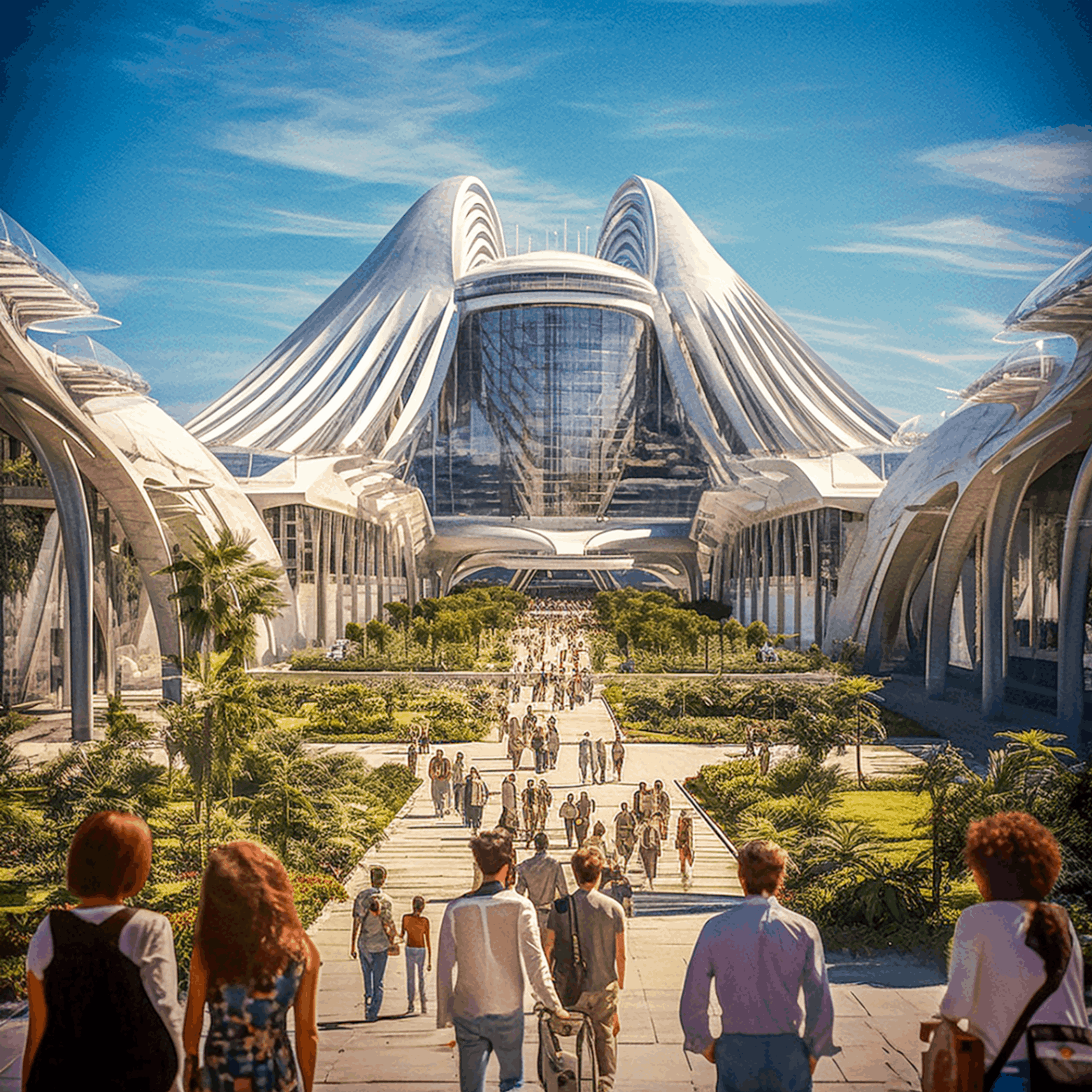
1st STAGE - Social Urbanism within a Utopian infrastructure
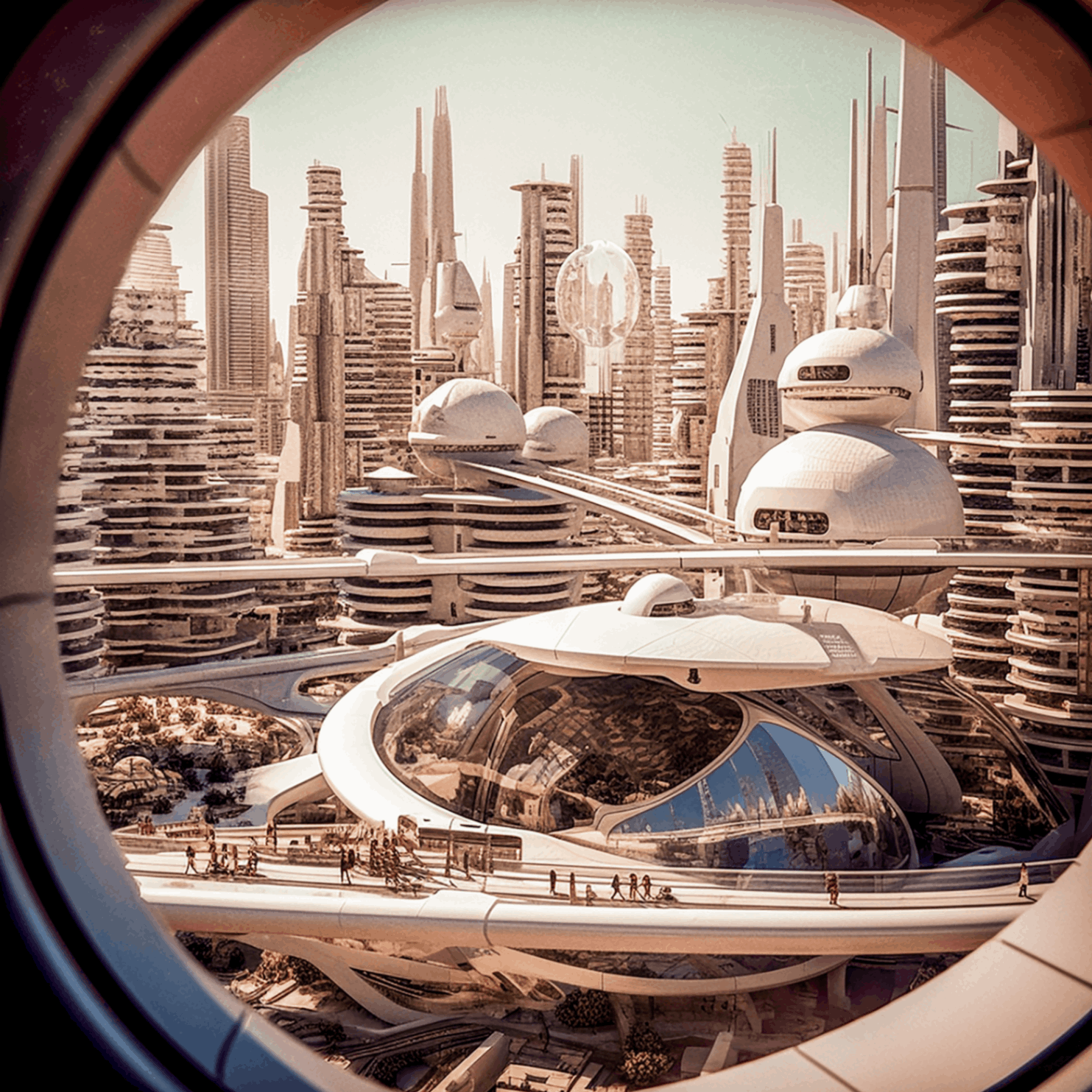
1st STAGE - Looking through an abyss of technologically advanced buildings of a futuristic Utopian society
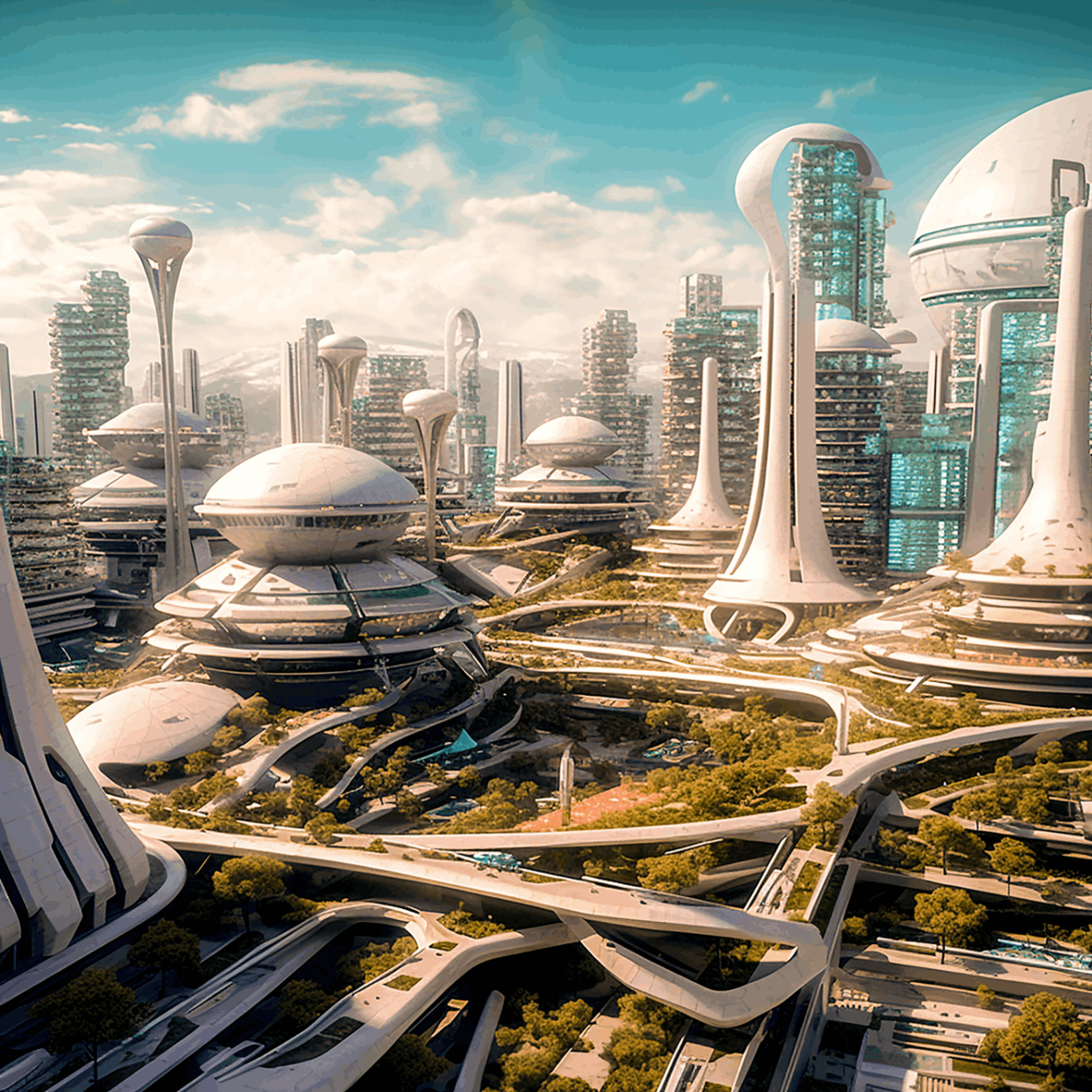
A technologically advanced hub of a futuristic Utopian cityscape
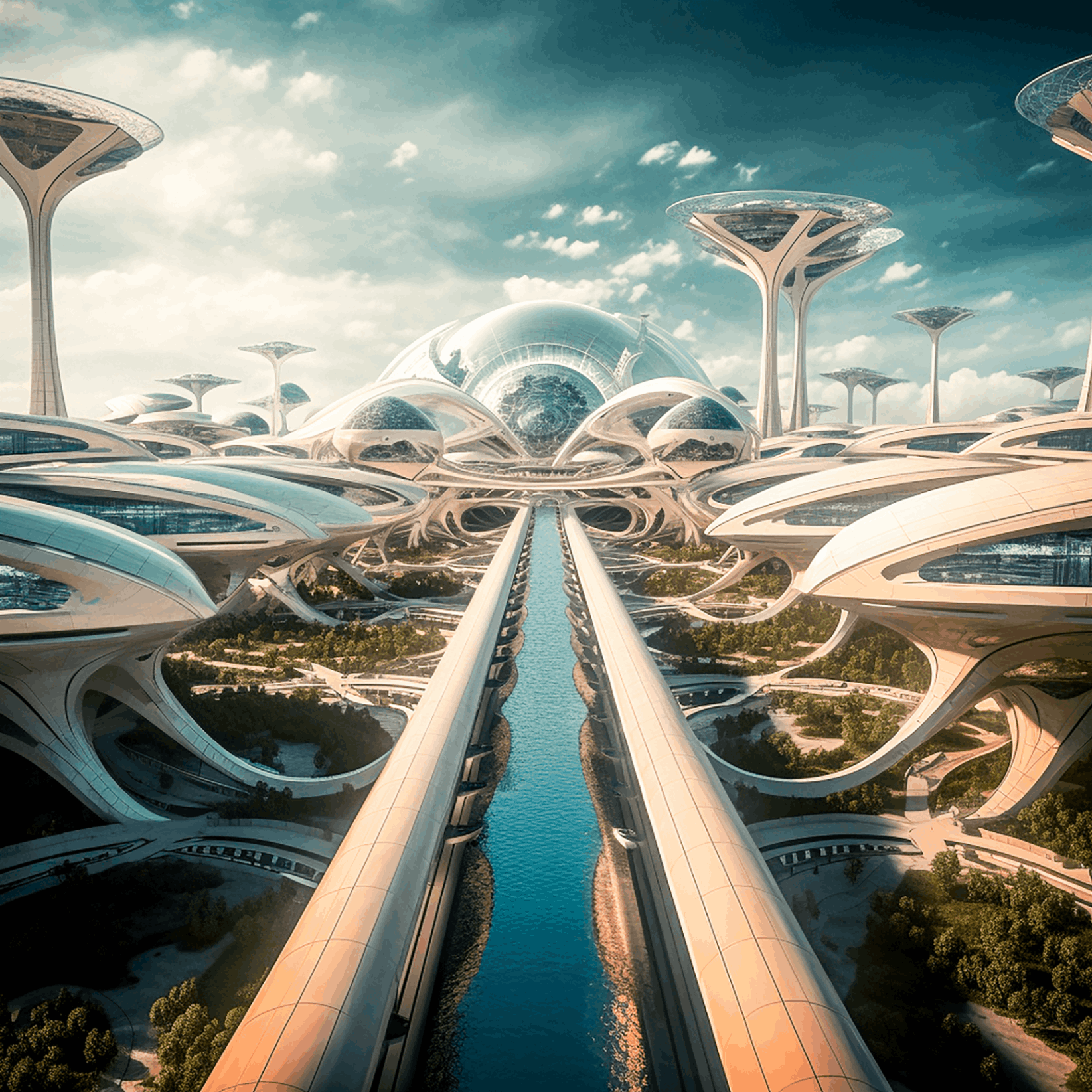
1st STAGE - Politically and socially symmetrically designed Utopian Society
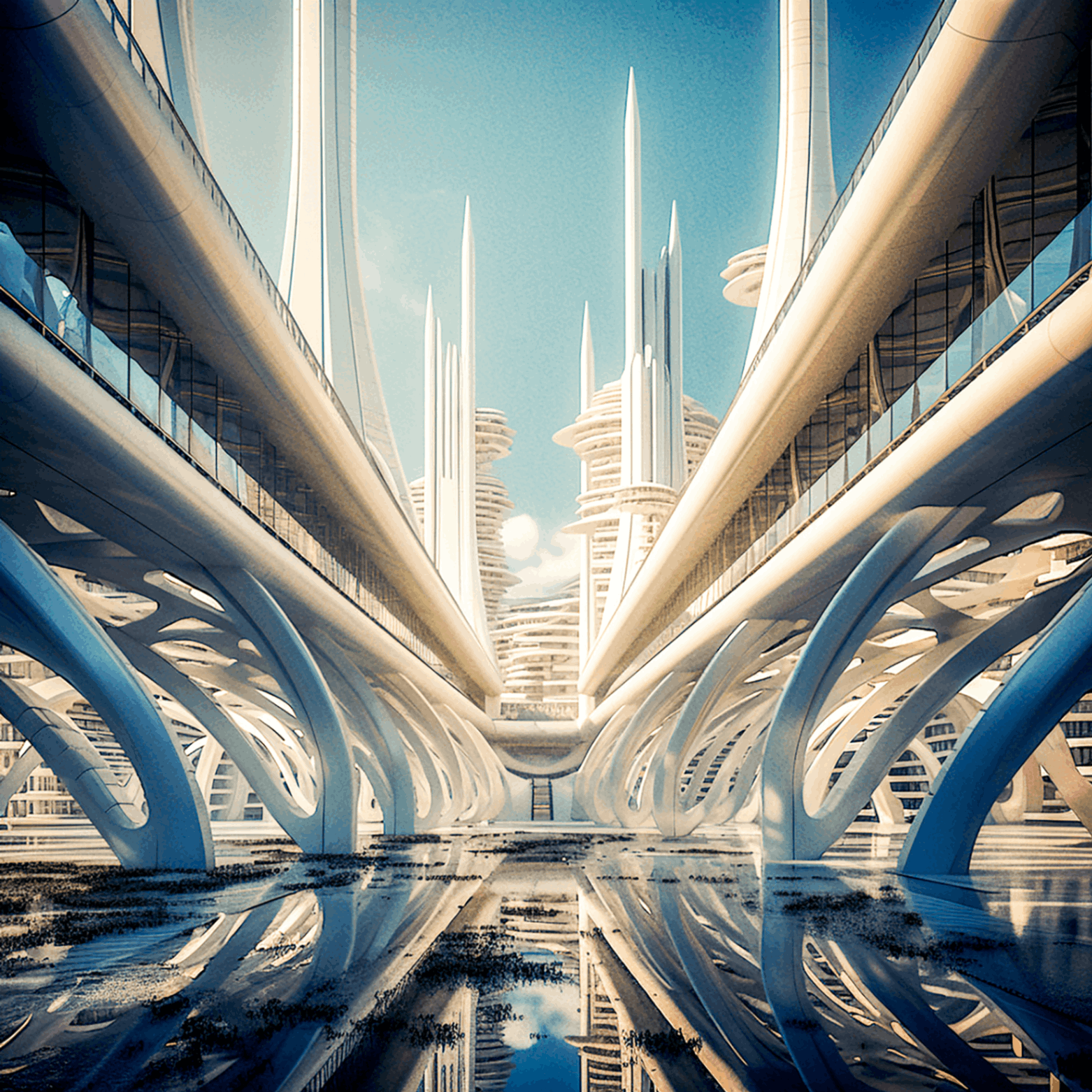
Bridging Urban highly technological cities of a fully progressive city
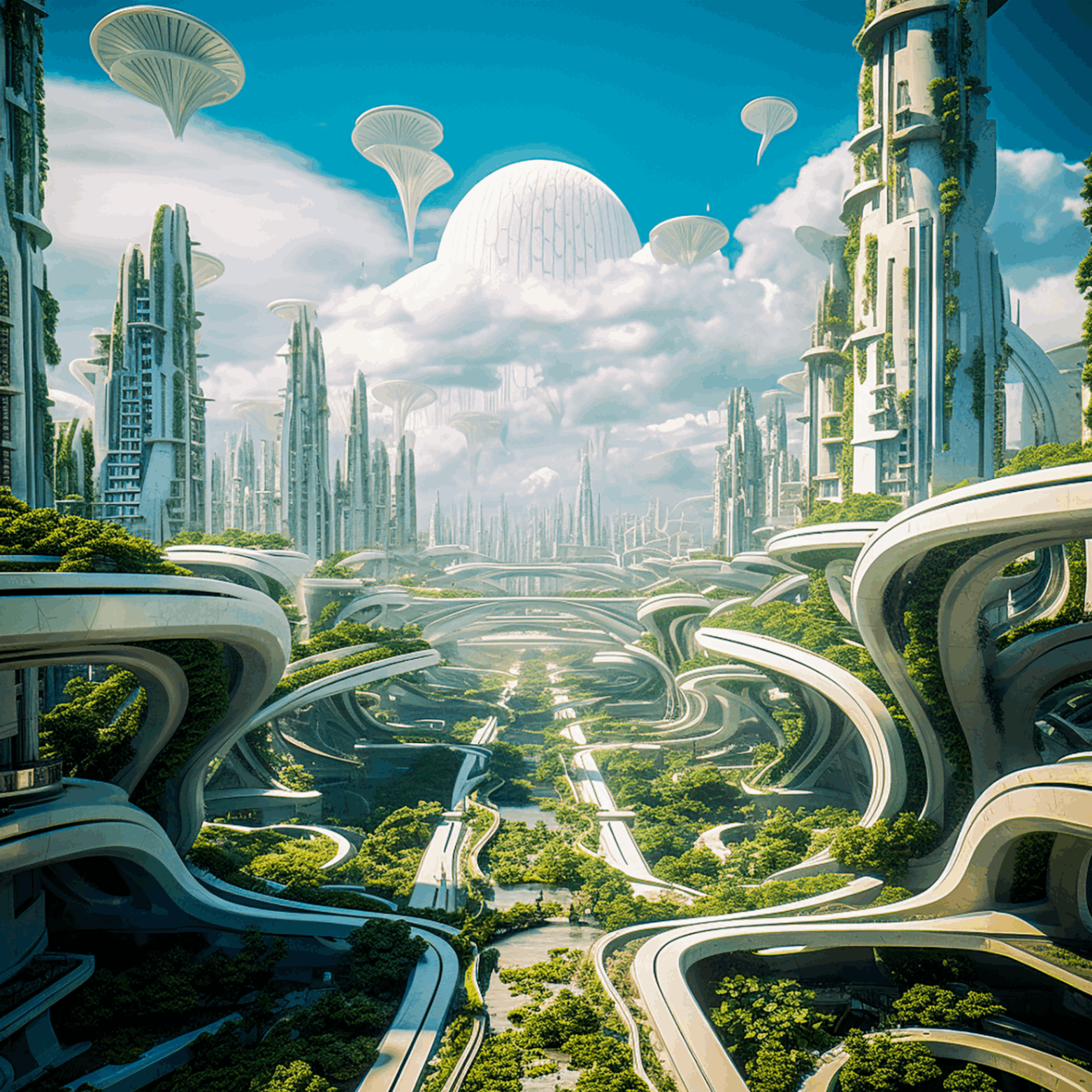
1st STAGE - A fully functional socialist and fully ecological sustainable network of cities
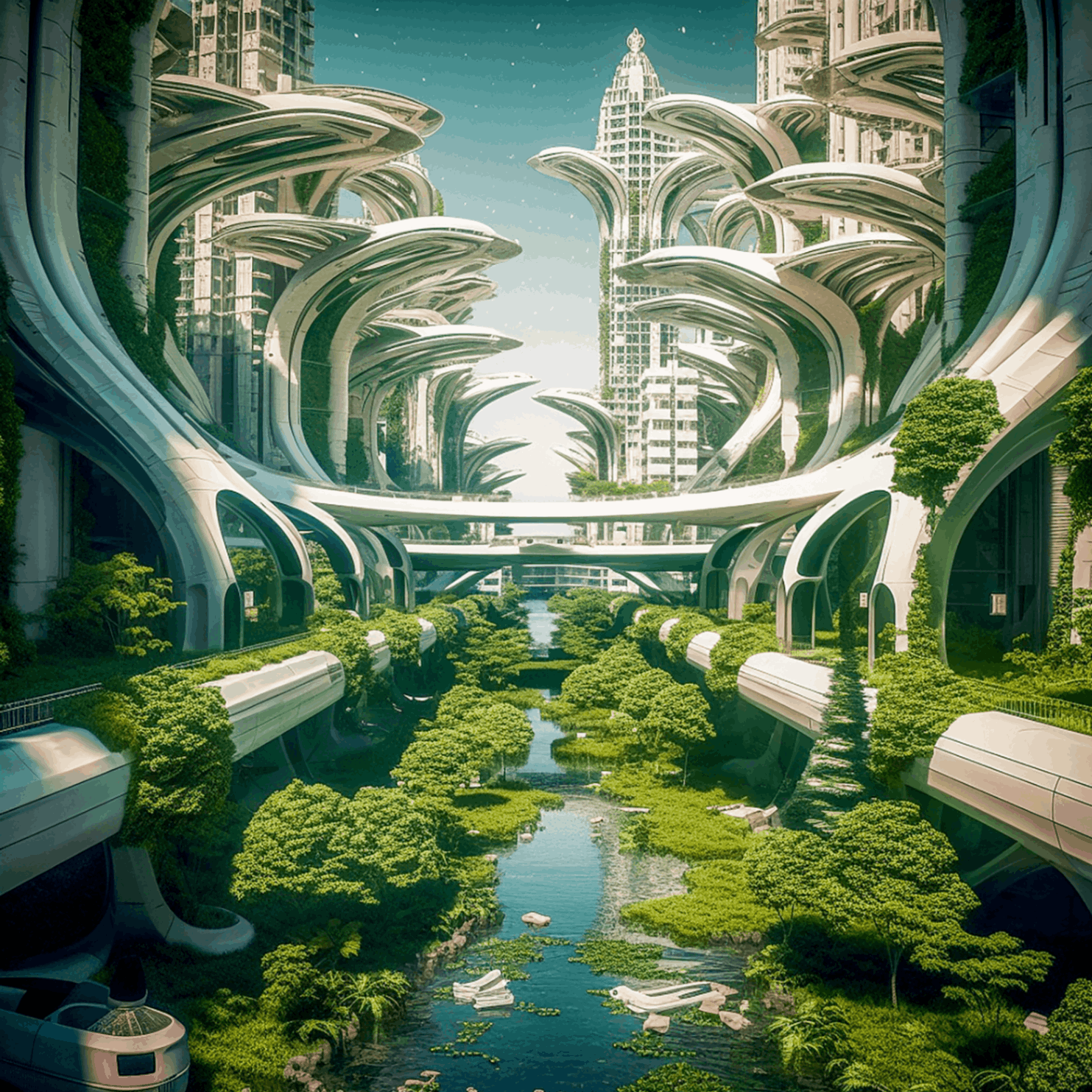
1st STAGE - A fully eco-integrated networking Utopian web of skyscrapers
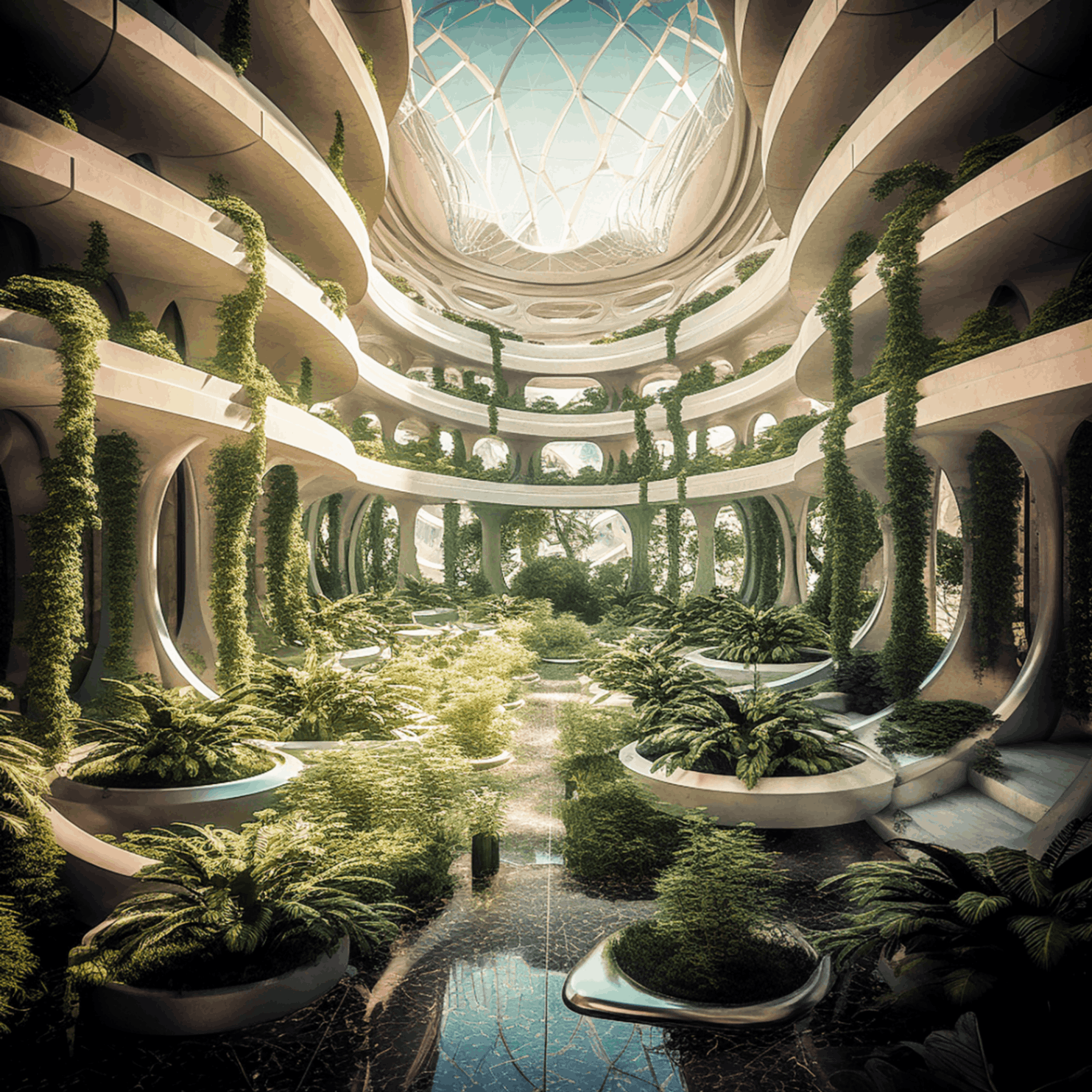
1st STAGE - An ecologically self efficient internal sustainable Utopian garden
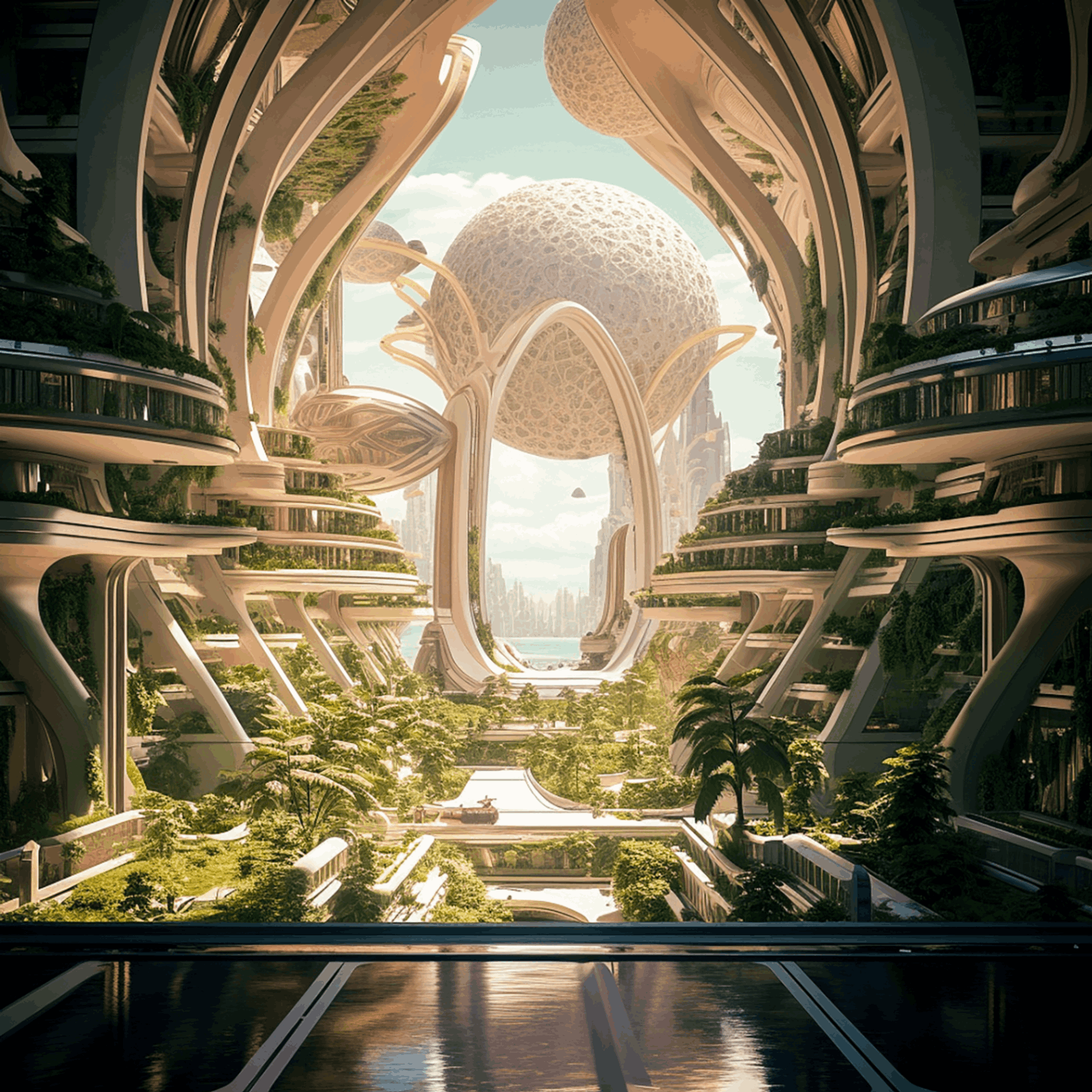
1st STAGE - Living in a Utopian Eco building system
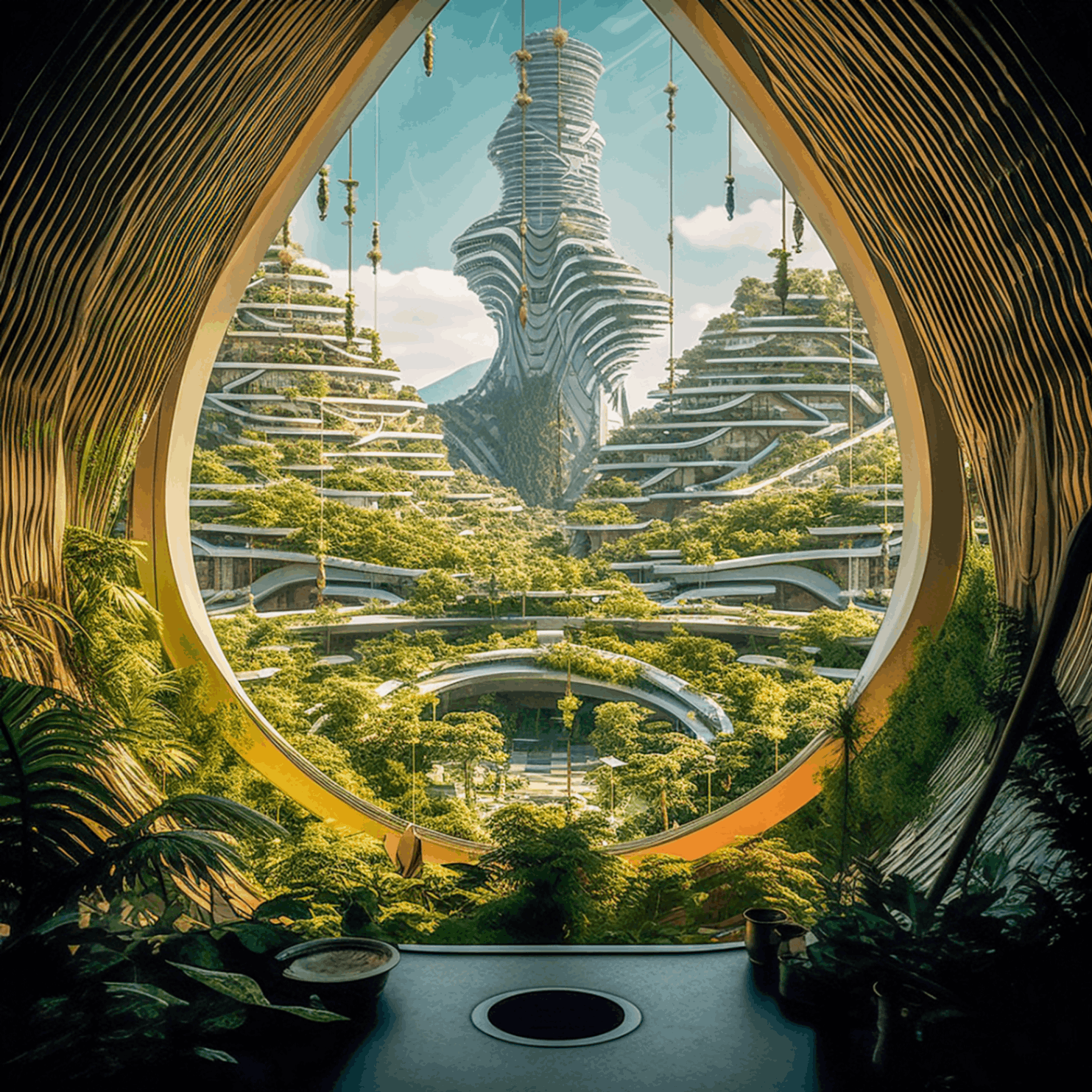
1st STAGE - A view of a fully sustainable Utopian community
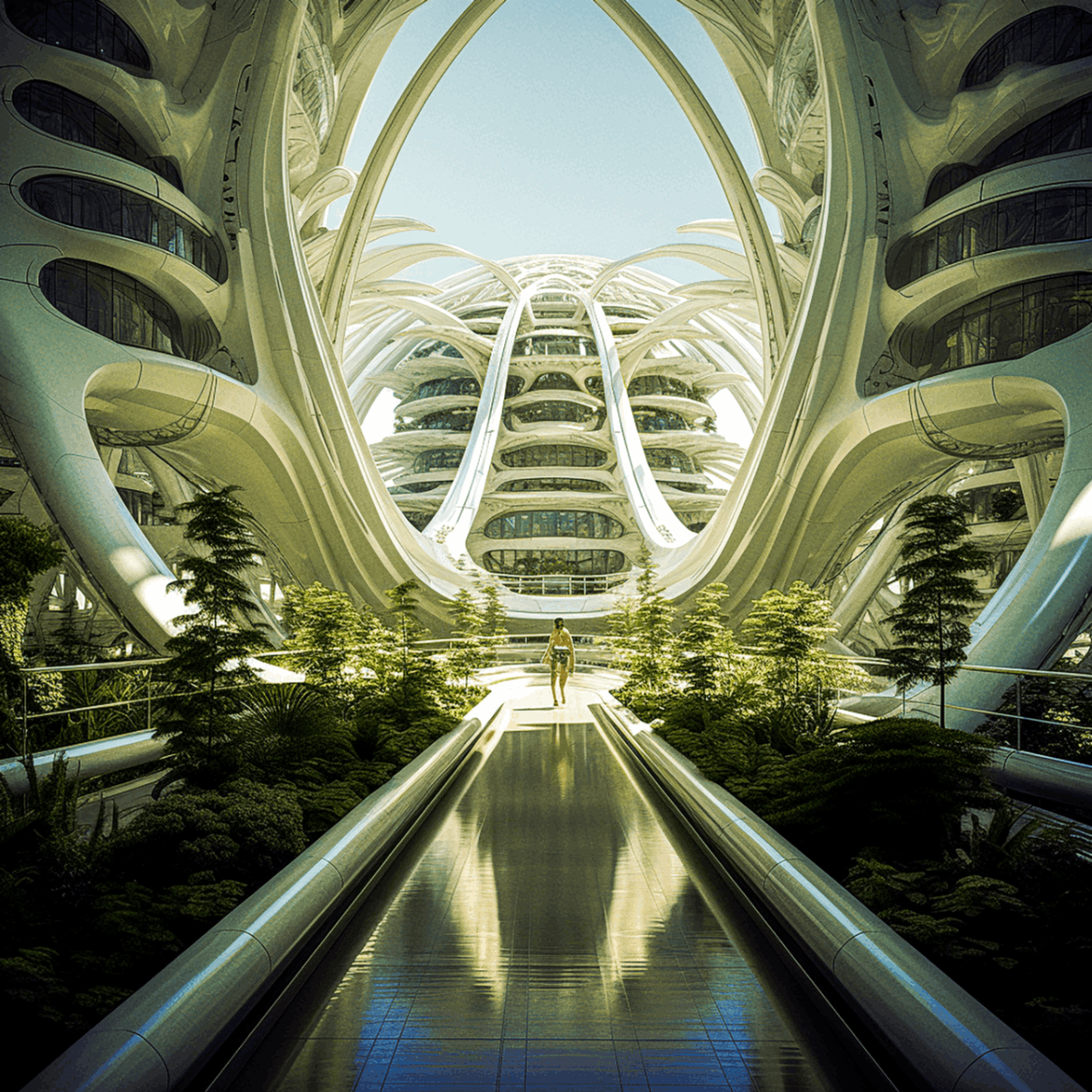
1st STAGE - A distinction between socially designed assembly of eco-buildings
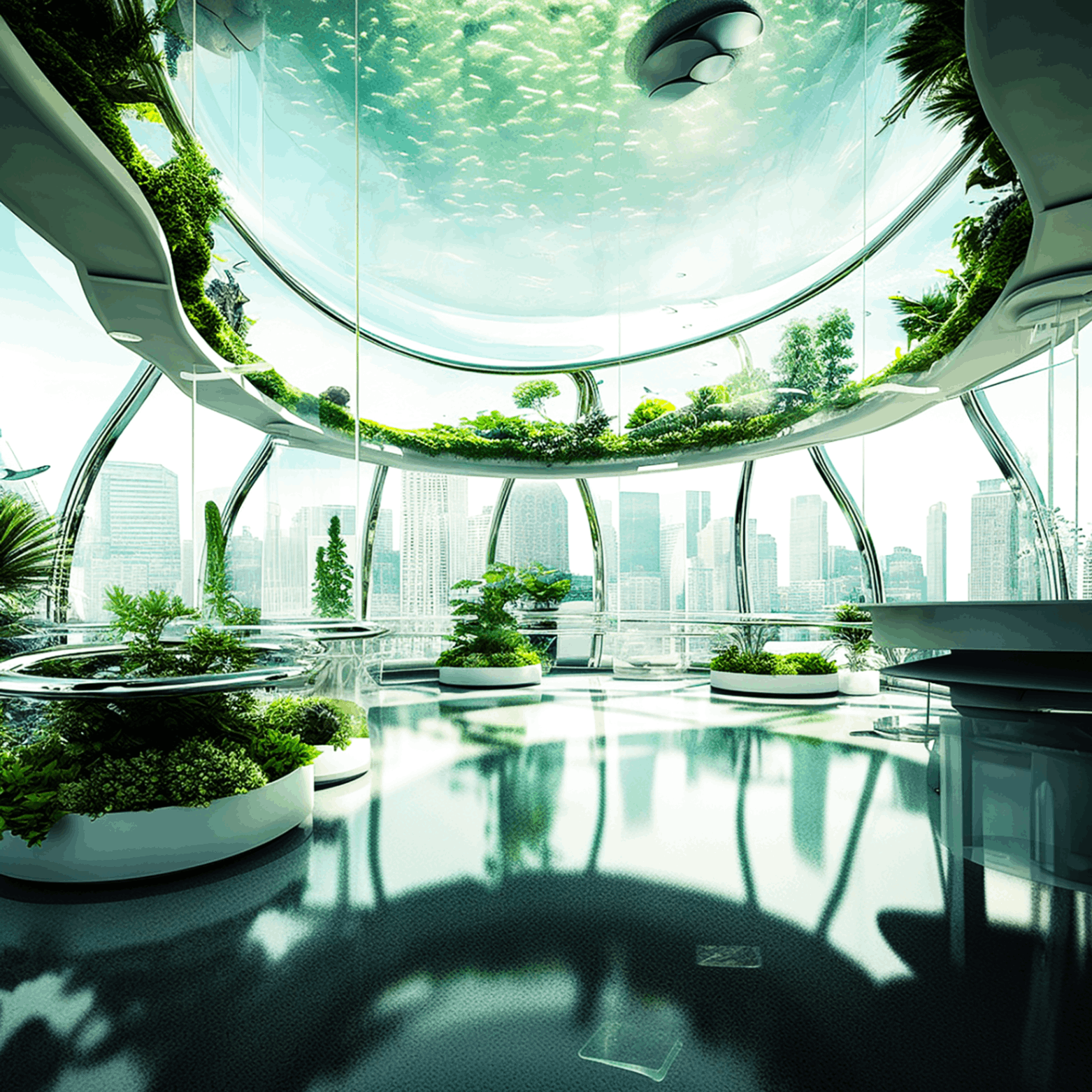
1st STAGE - A place of relaxation within a Utopian city- Eco-tranquillity
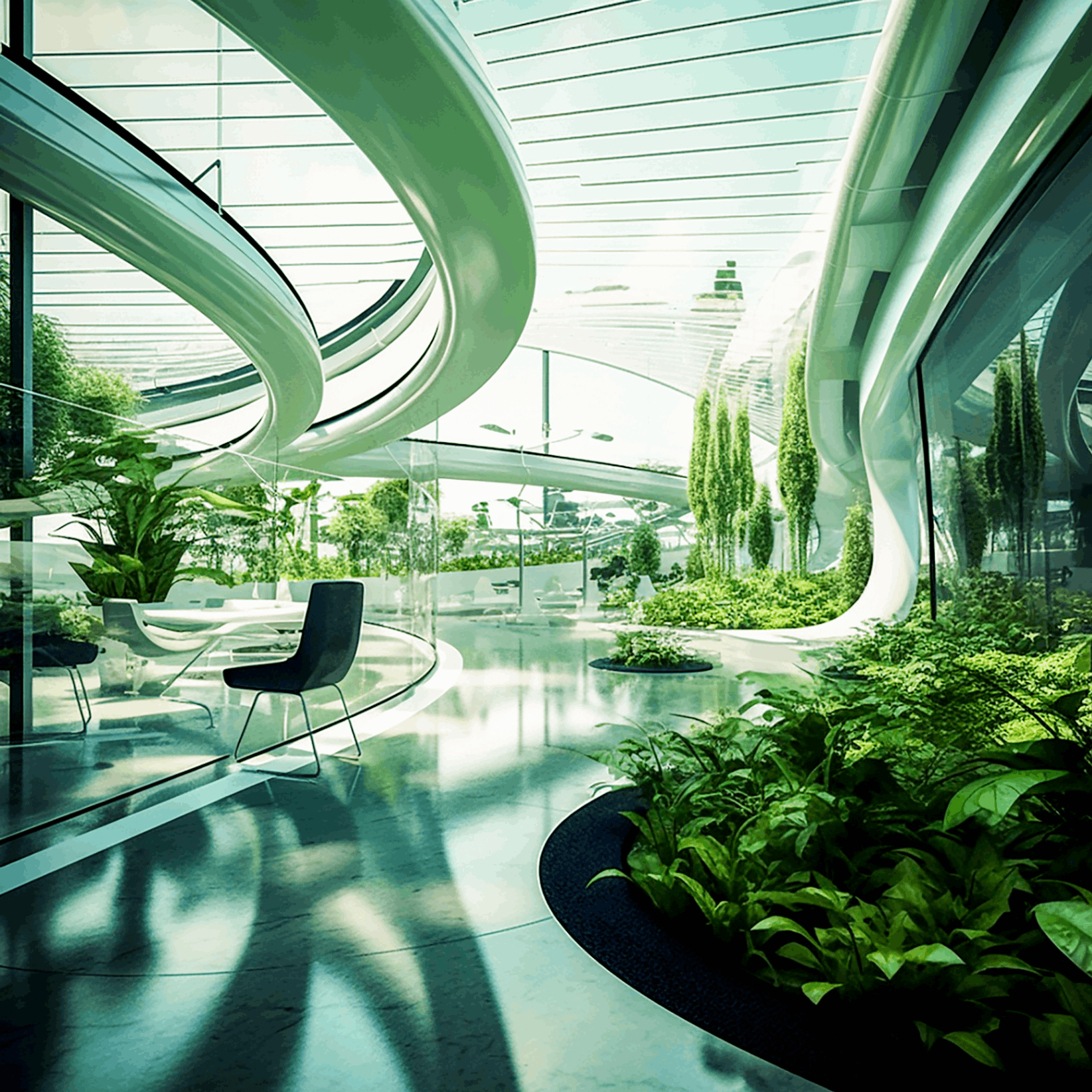
1st STAGE - A place of work - An Eco-workspace
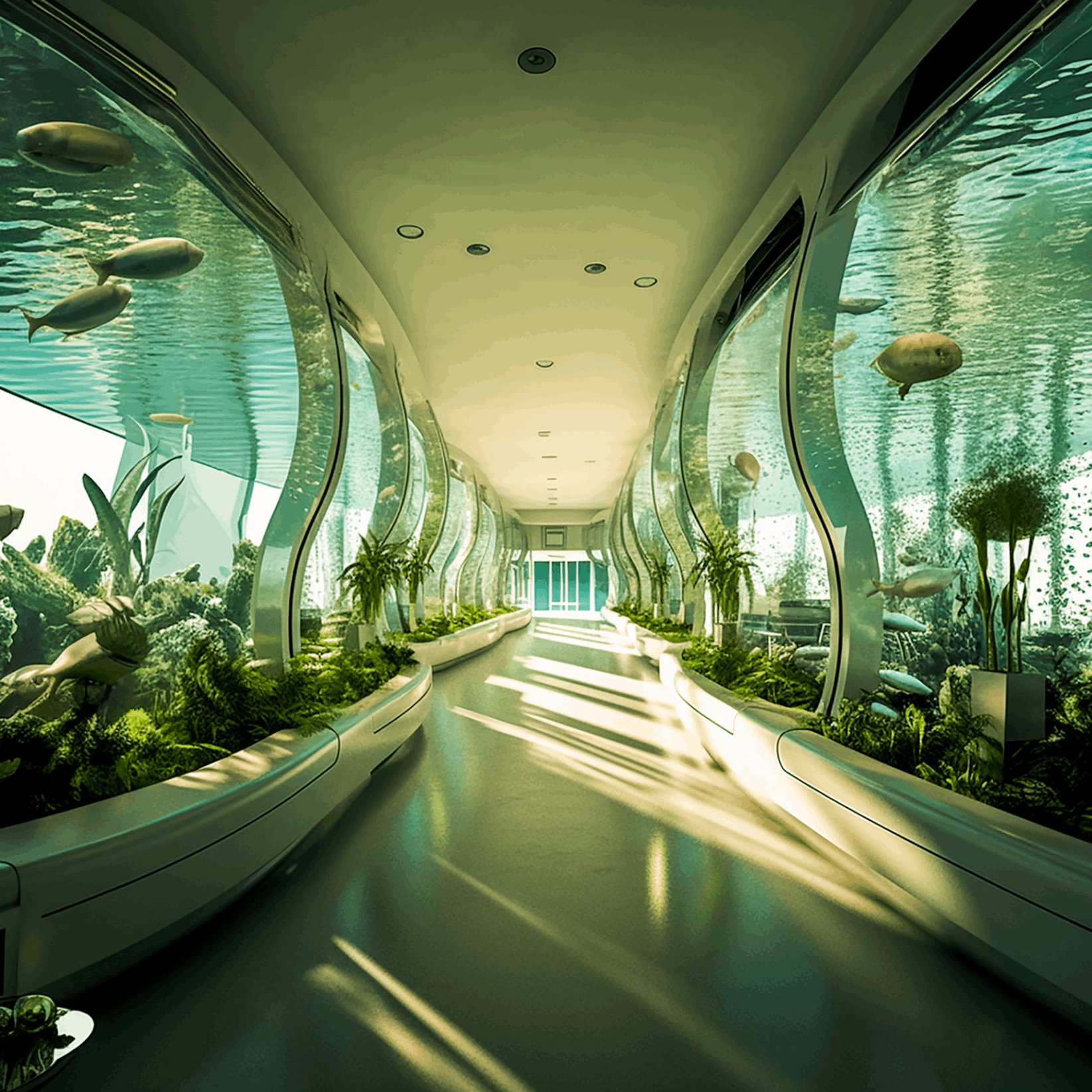
1st STAGE - The aquarium area provides both leisure for the people living within the buildings but also a sustainable way of life
Aquariums could be a great source of providing growth to the natural elements in buildings, plantation etc through the use of aquaponics. Filtration systems could be installed in order to efficiently clean the tanks with clean water while using fish from which their remaining nutrients would help plants to grow in various areas of the building.
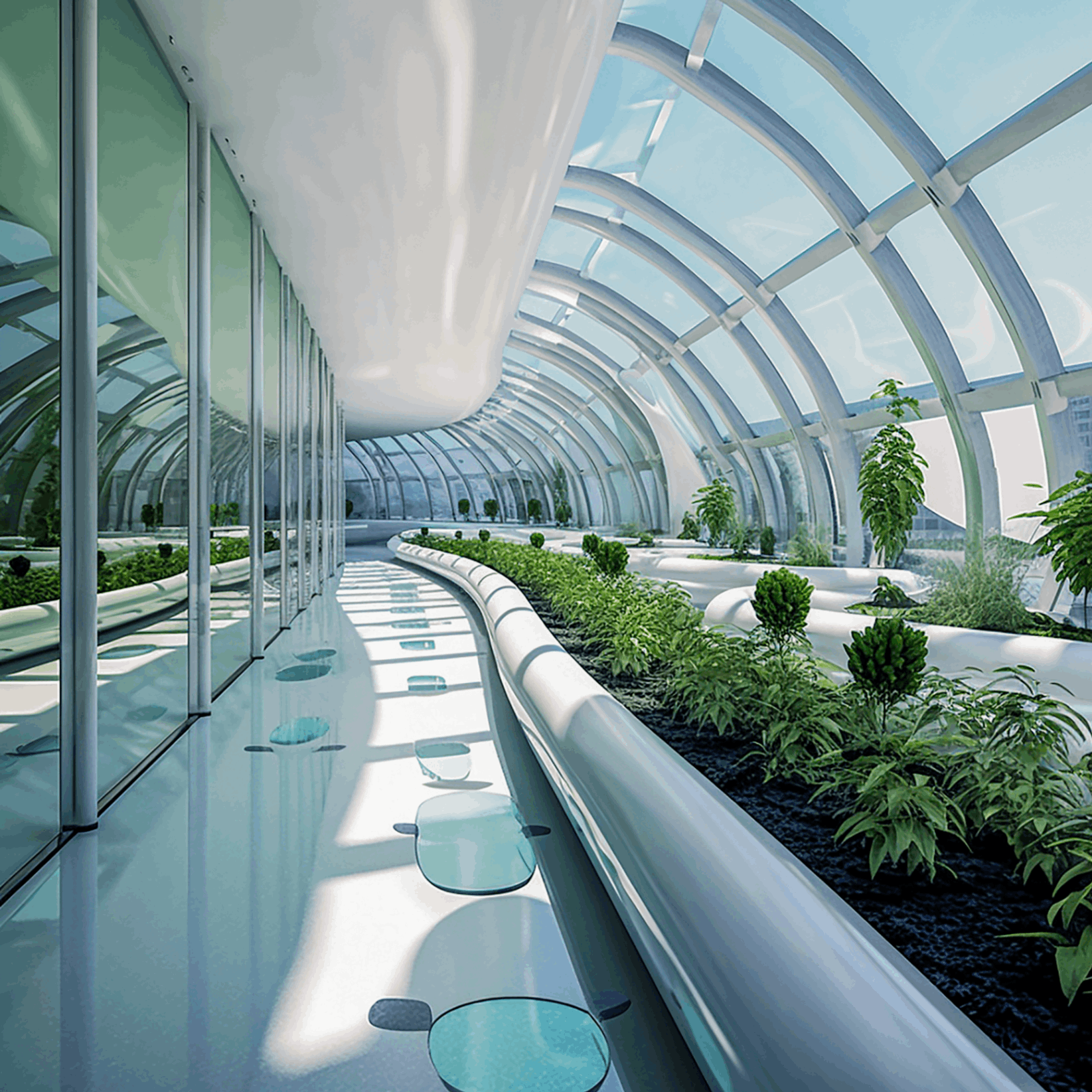
1st STAGE - Hydroponics
Hydroponics would provide efficient growth of plants, usually crops or medicinal plants, without The use of soil, just by using water-based mineral nutrient solutions or the roots may be mechanically supported by an inert medium such as perlite and gravel.
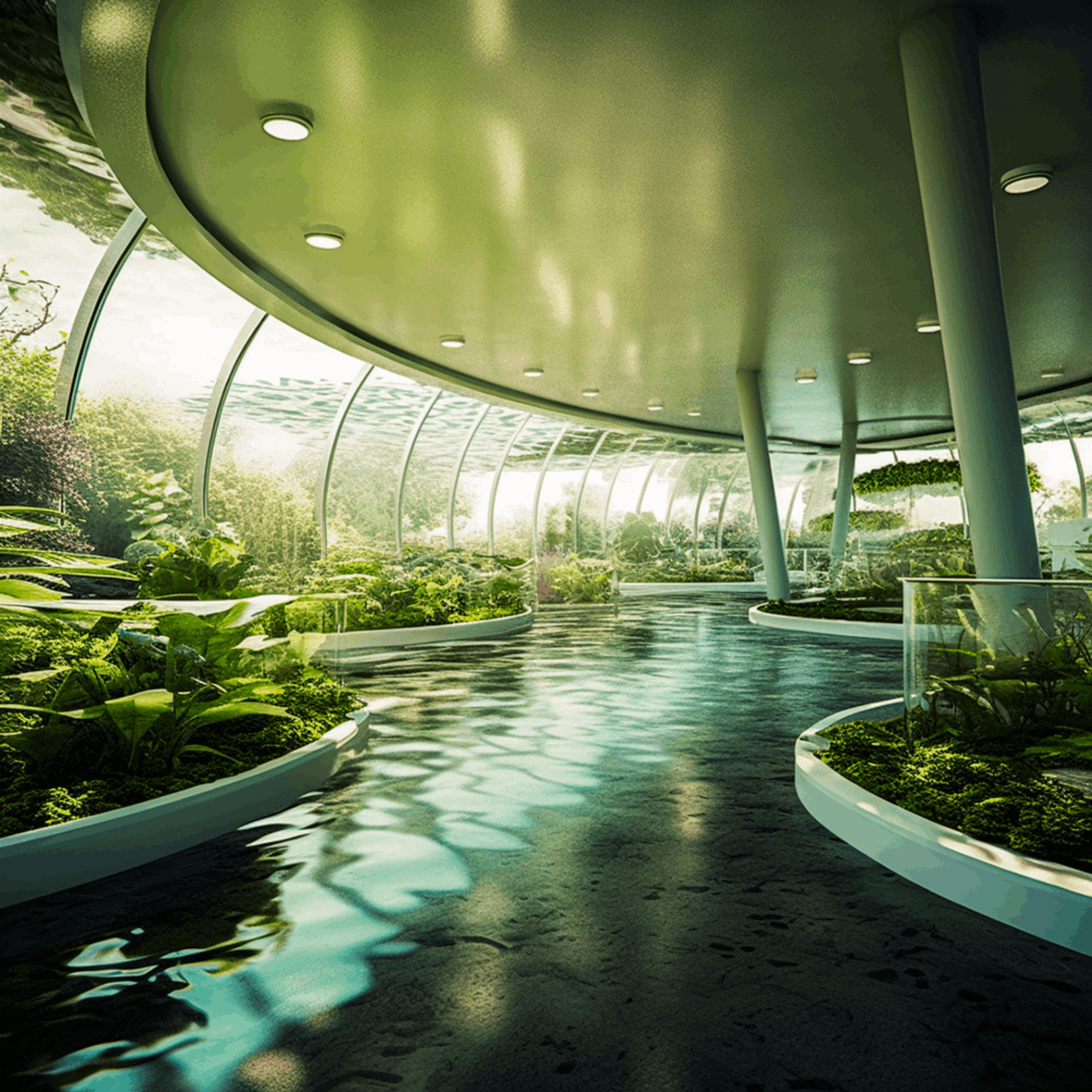
1st STAGE - Underground City Hydroponic systems
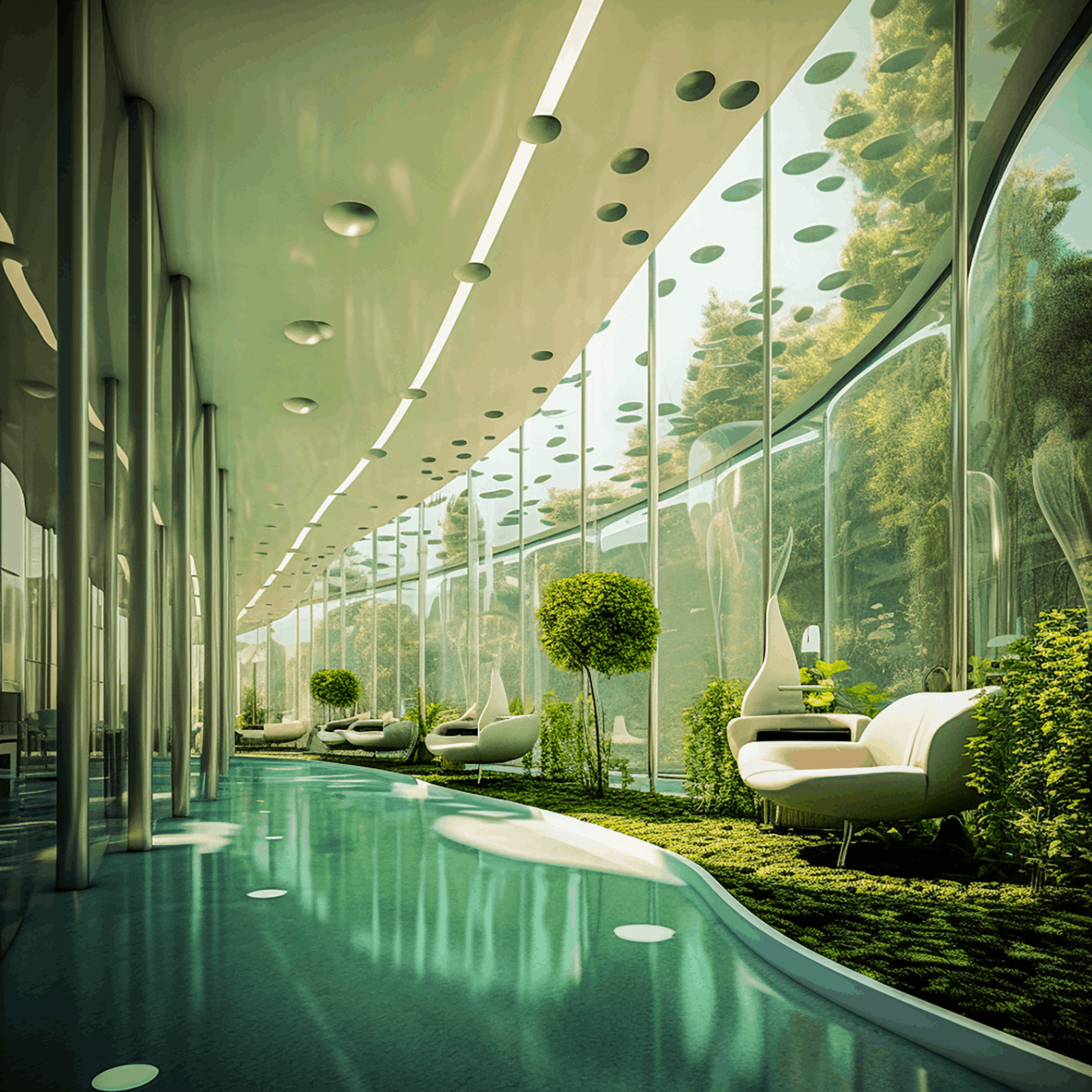
1st STAGE - A place of relaxation and ecological escape from the city
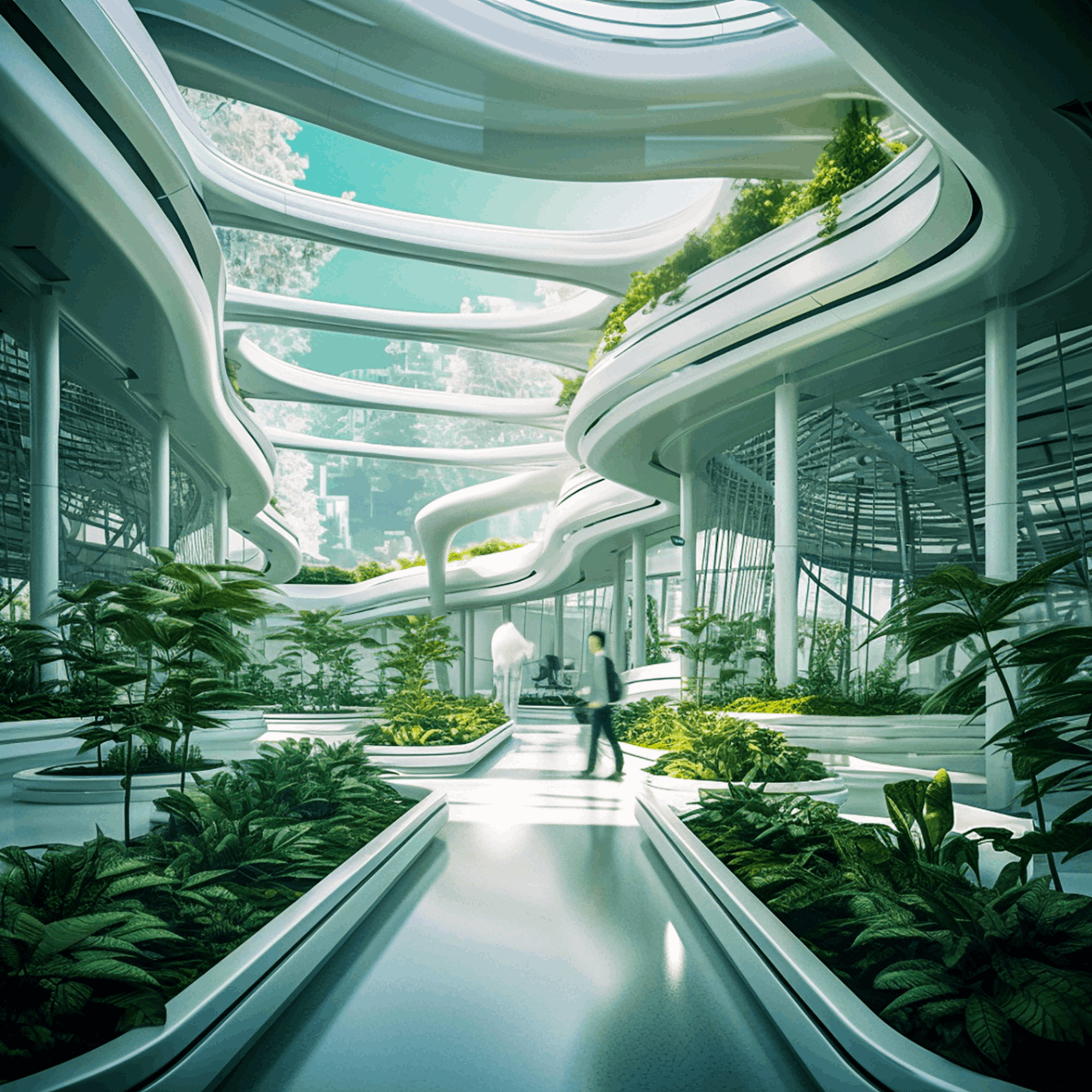
1st STAGE - Underground Eco Futuristic Tunnels with Skylights
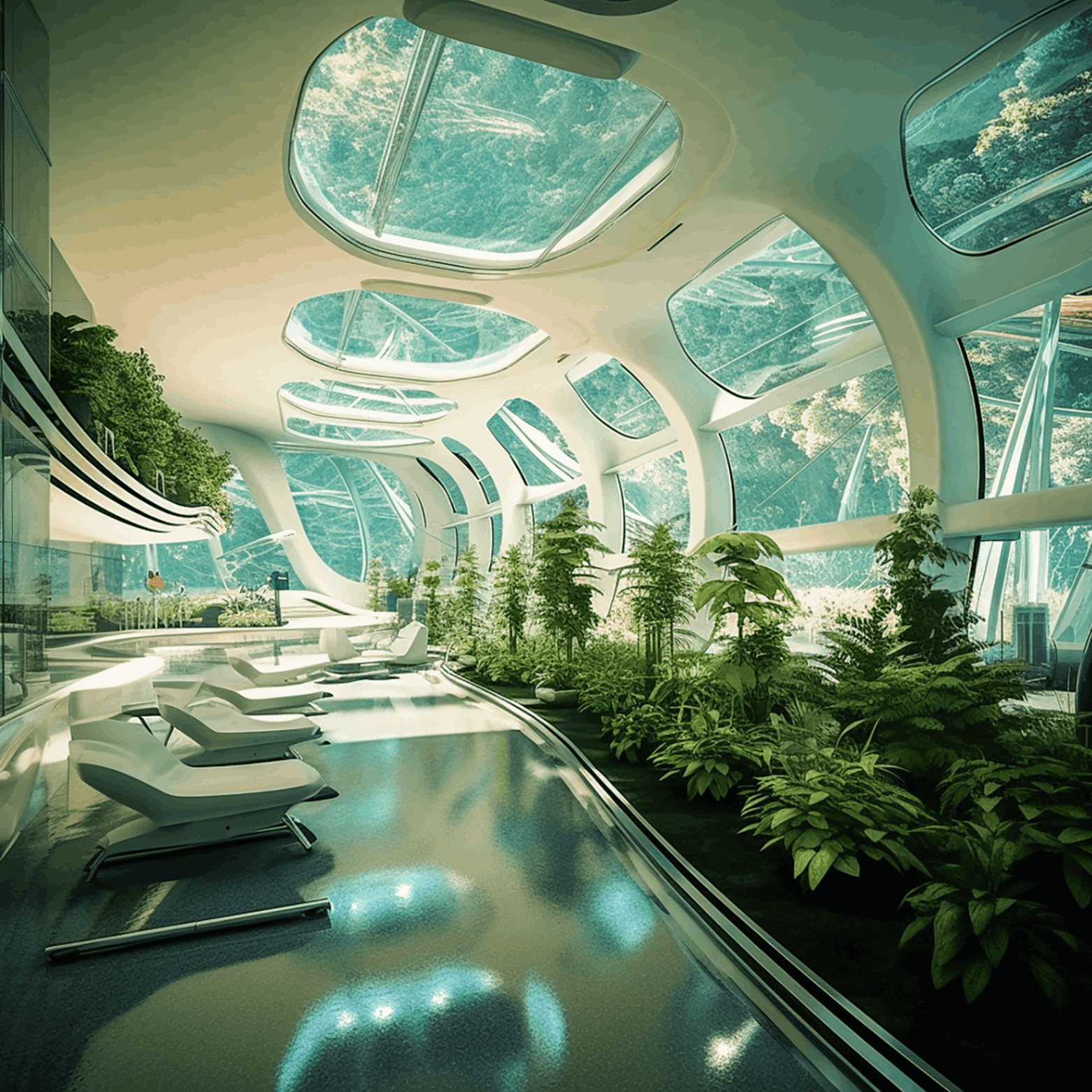
1st STAGE - An eco health care waiting area for patients
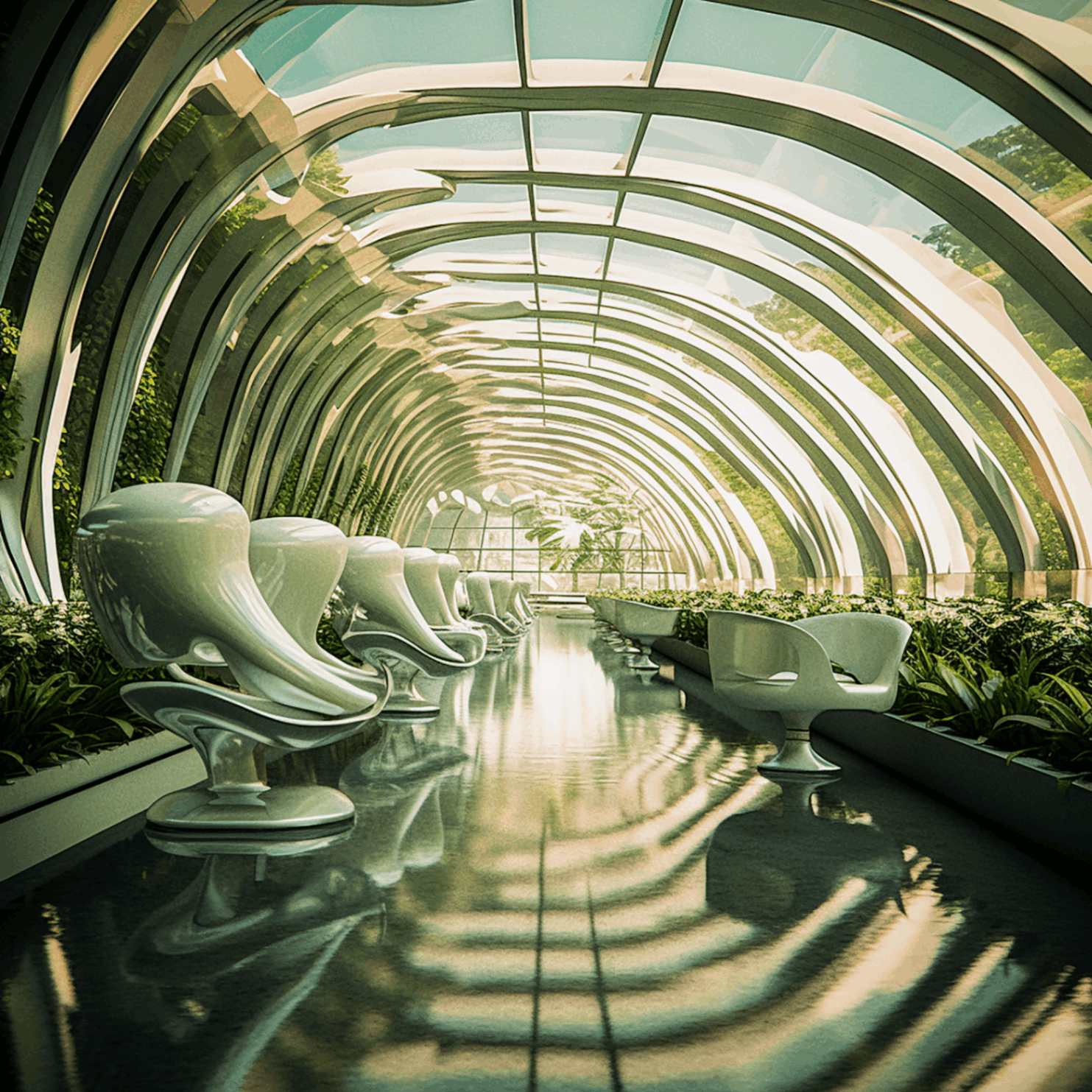
1st STAGE - A Utopian eco cultural place of social interaction and important discussion between members of a society
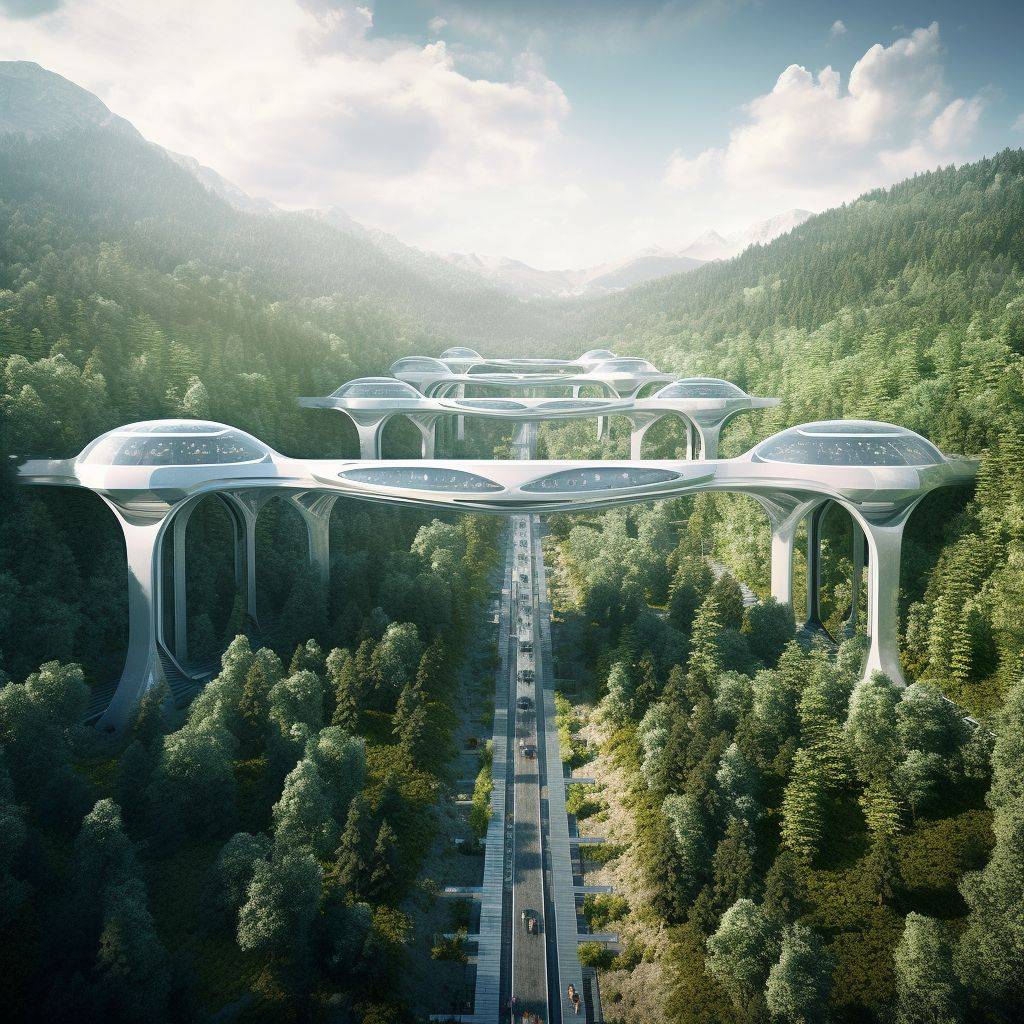
2nd STAGE - INFRASTRUCTURE CITIES AS PART OF A UTOPIAN SOCIETY - PART 1
Interconnected business and medical centres connected through solar powered bridges within nature
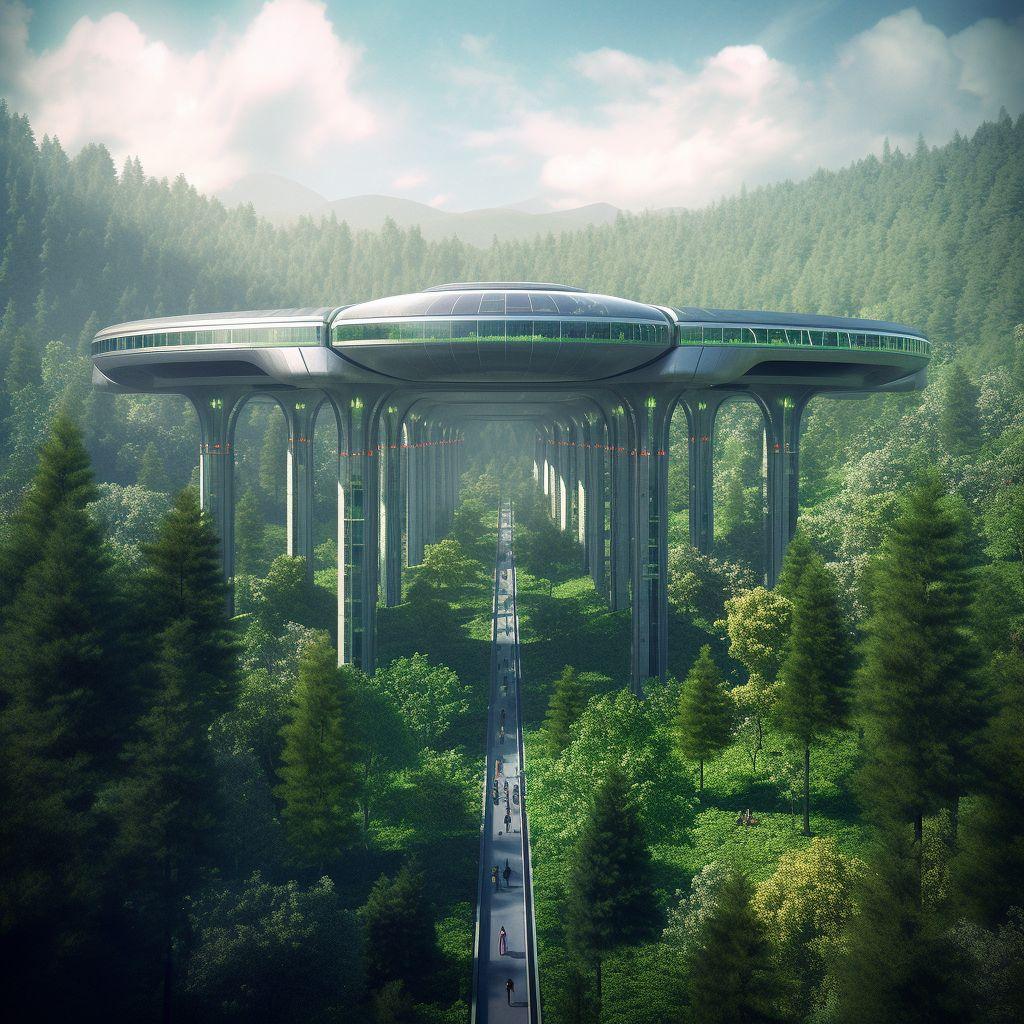
2nd STAGE - INFRASTRUCTURE CITIES AS PART OF A UTOPIAN SOCIETY - PART 2
Research centres for astrology and medical science
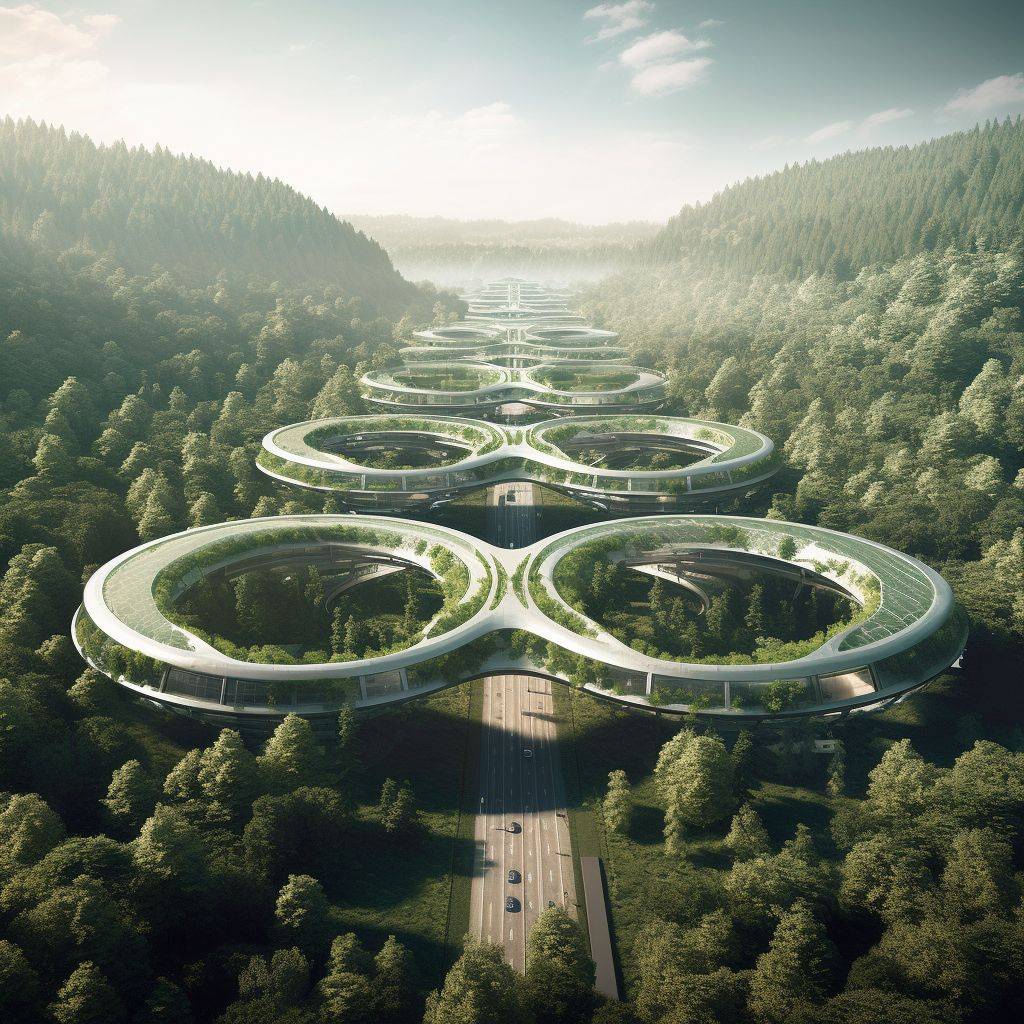
2nd STAGE - INFRASTRUCTURE CITIES AS PART OF A UTOPIAN SOCIETY - PART 3
Residential building fully integrated within the natural landscape providing 360 degree views of the land and mountains. Buildings will be powered by renewable energy sources.
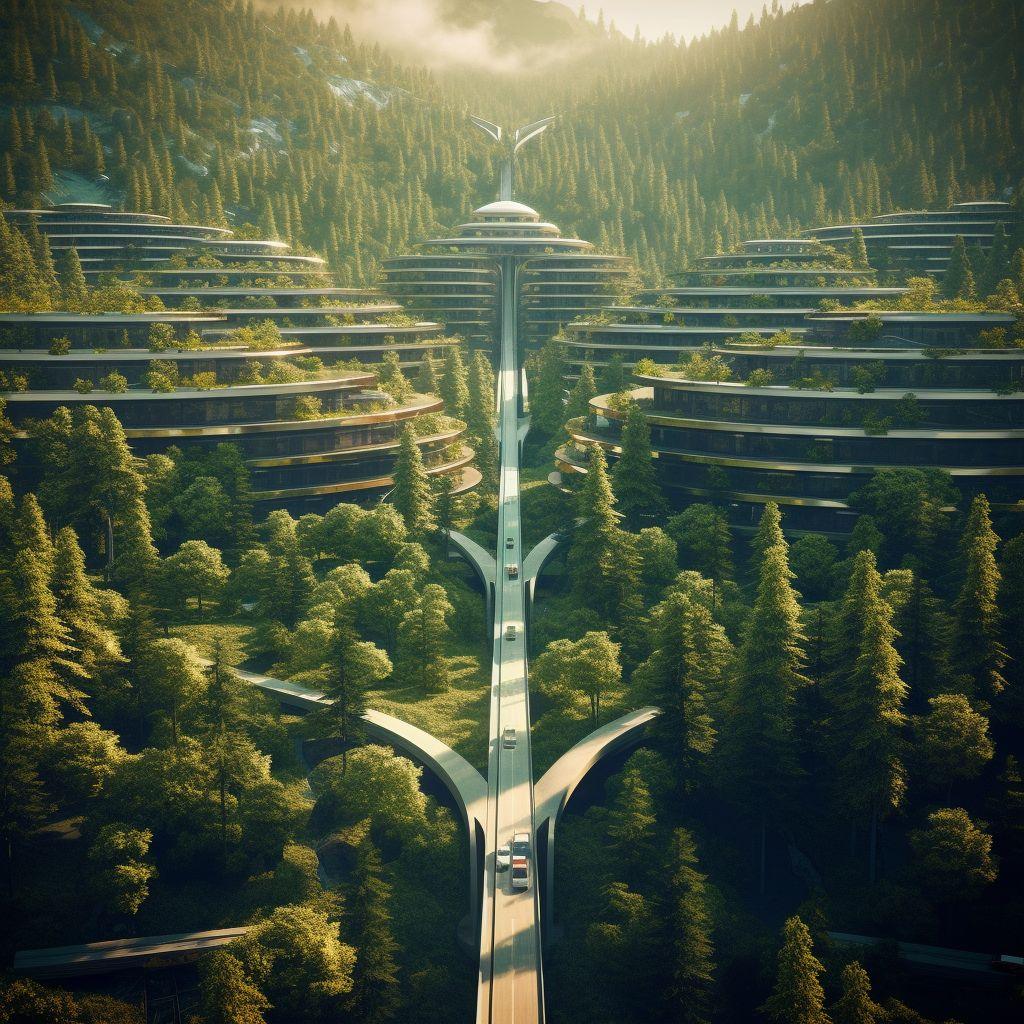
2nd STAGE - INFRASTRUCTURE CITIES AS PART OF A UTOPIAN SOCIETY - PART 4
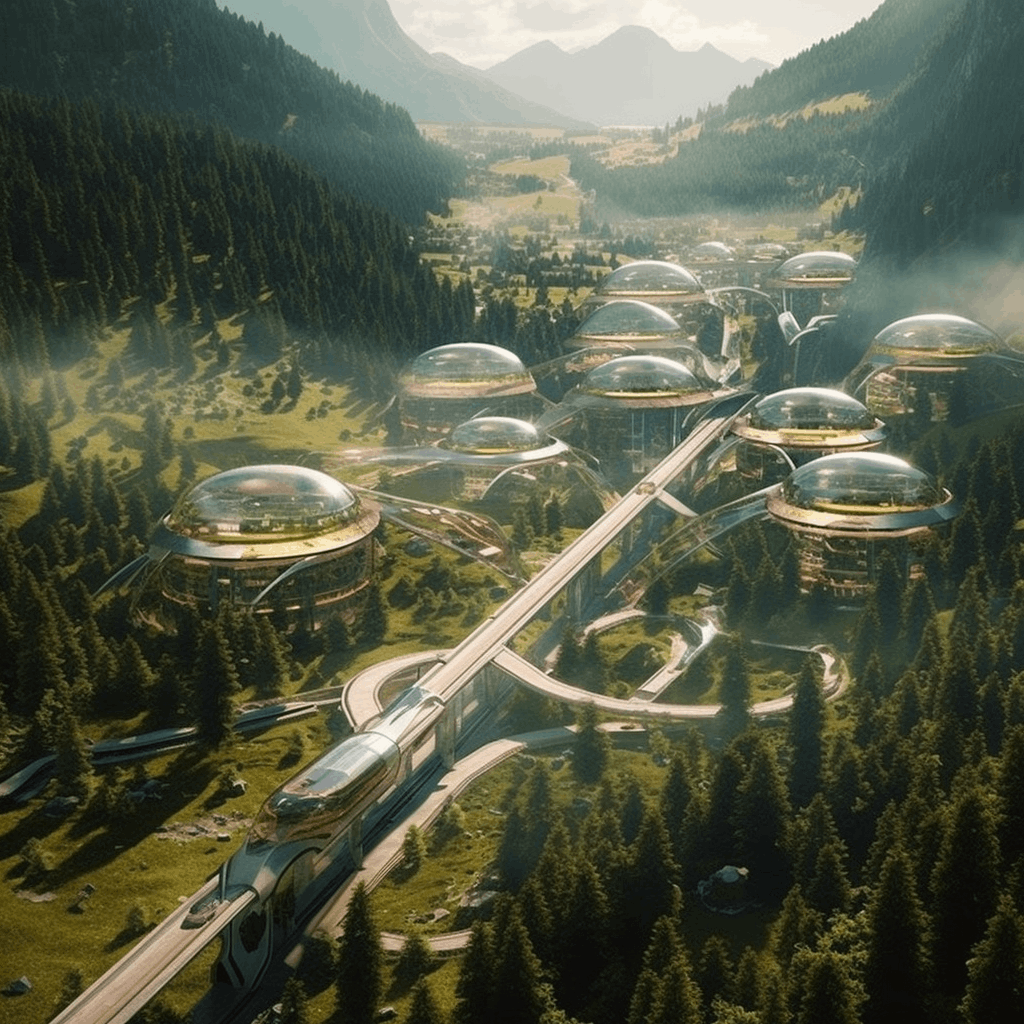
Cities blended within the mountains embracing the natural factor of the land, empowering biodiversity within the buildings and providing views of the landscape.
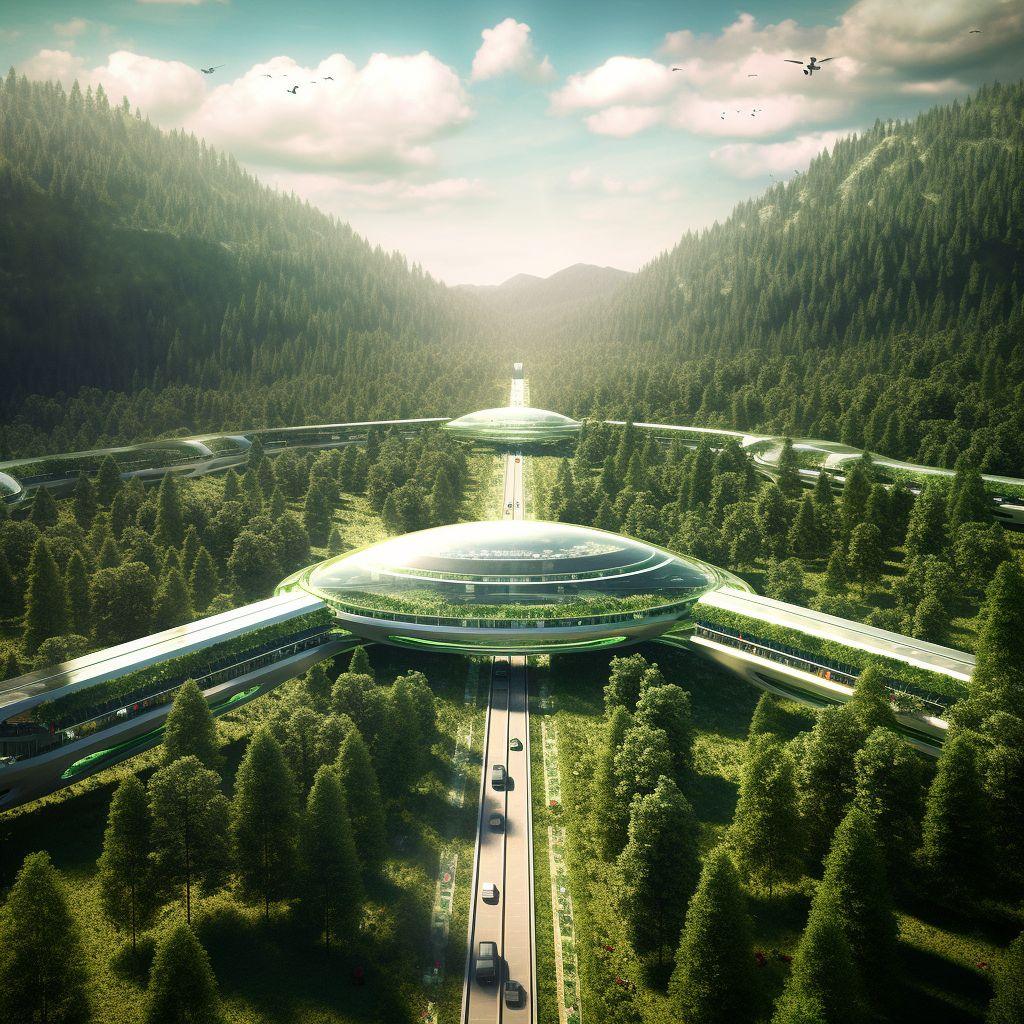
2nd STAGE - INFRASTRUCTURE CITIES AS PART OF A UTOPIAN SOCIETY - PART 4
Hyperloop trains interconnected with stations
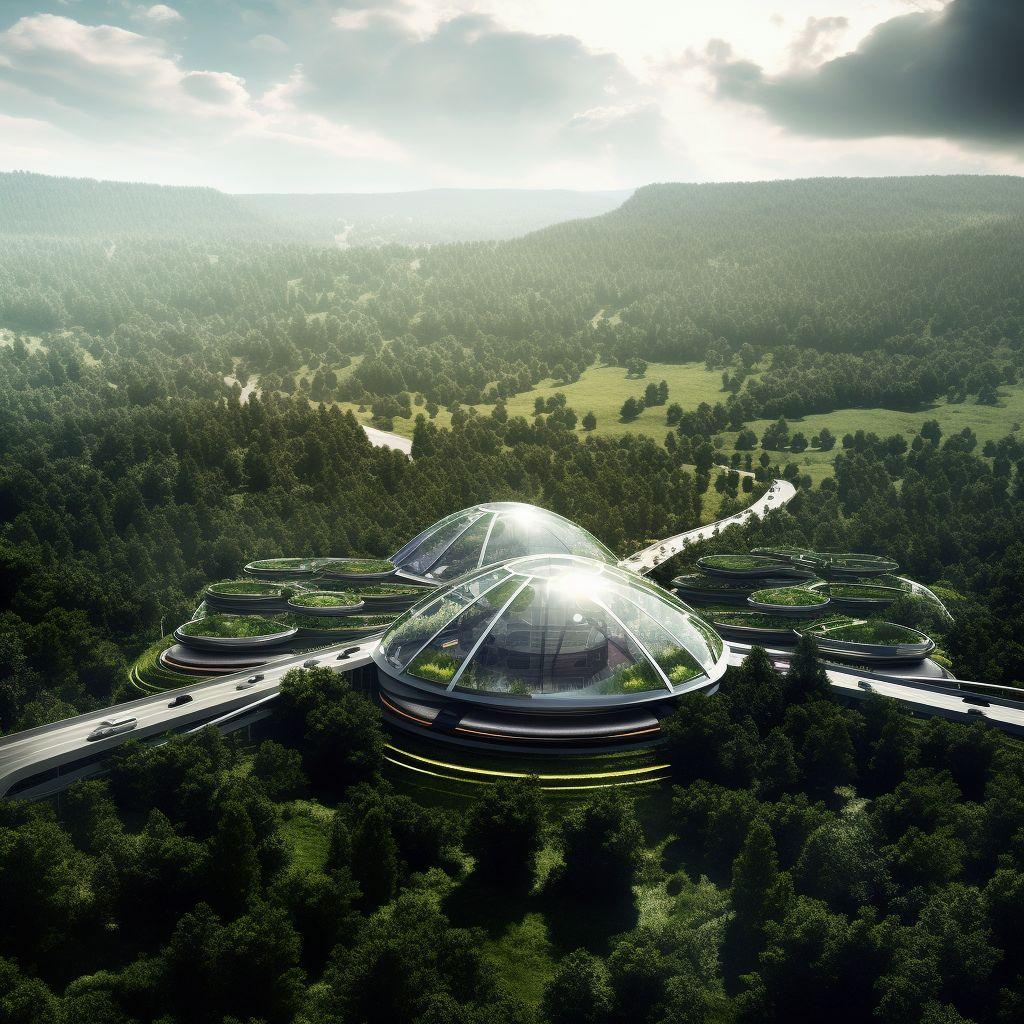
2nd STAGE - INFRASTRUCTURE CITIES - PART 5
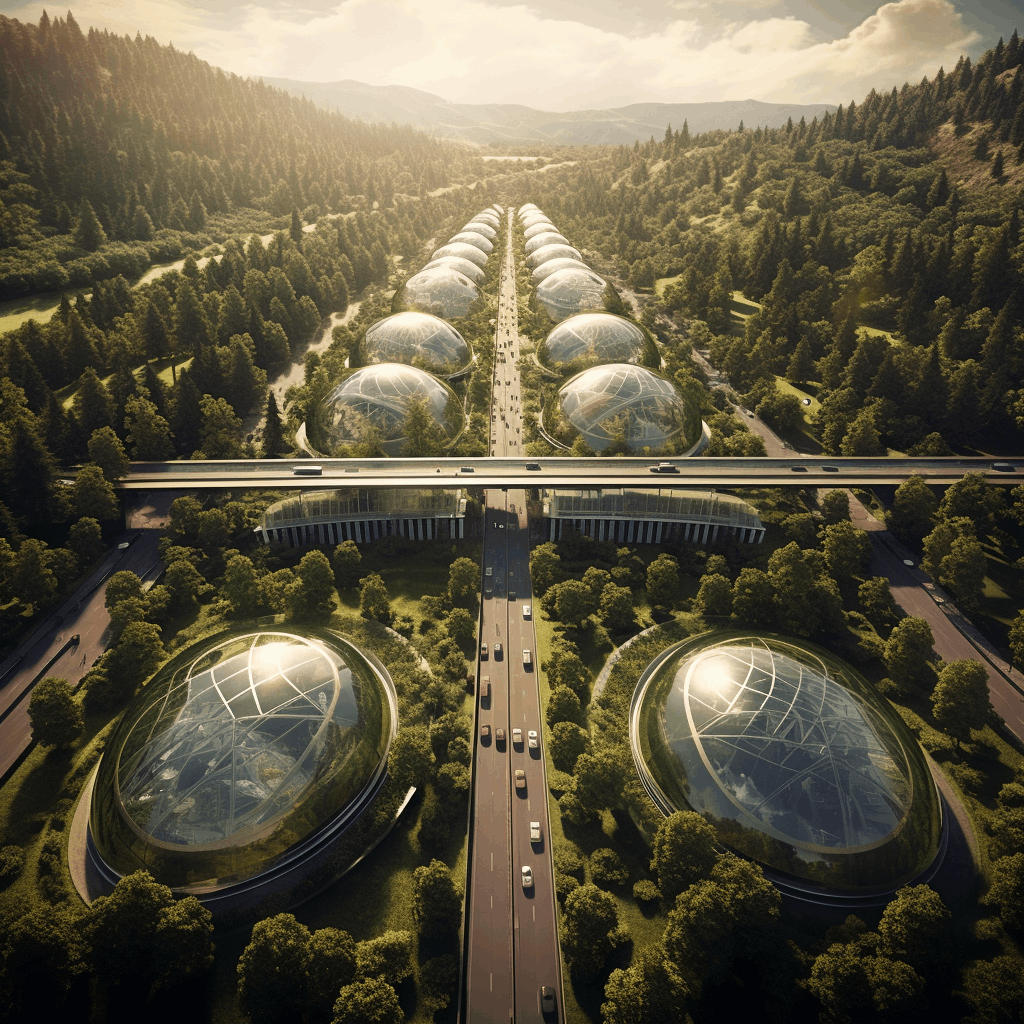
Large Greenhouse Dome Buildings interconnected with energy collective energy piping systems that provide energy to farming stations through the use of solar panels. Although greenhouse farming can significantly increase food production per hectare relative to open field agriculture, it is more energy intensive. But thanks to the large surface areas bathed in the sun’s glow, future dome greenhouses are also in a unique position to take advantage of sunlight to make cleaner electricity – with huge global benefits for farming and the environment.
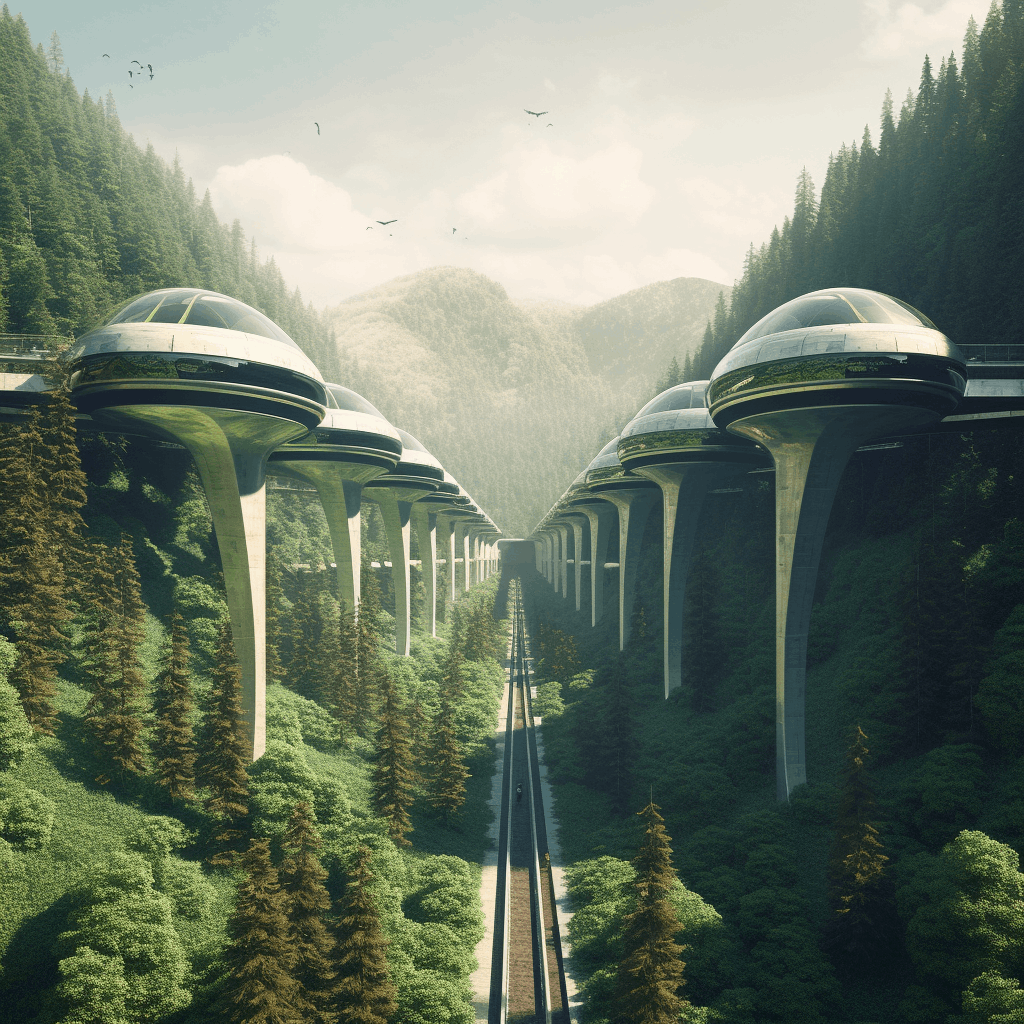
2nd STAGE - INFRASTRUCTURE CITIES - PART 6
Working vertical dome shaped stations for controlling rail facilities
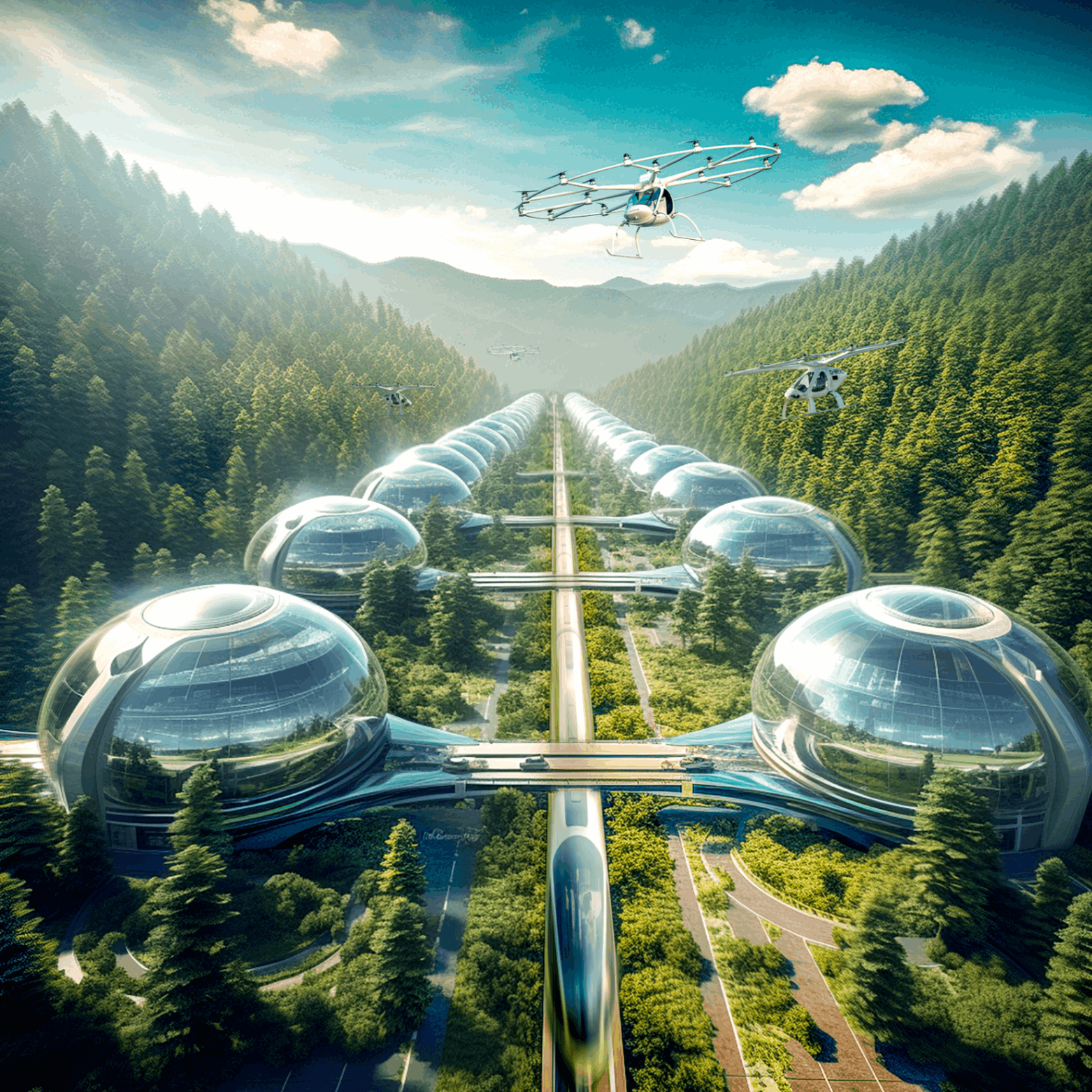
2nd STAGE - INFRASTRUCTURE CITIES - PART 7
Futuristic Greenhouse Dome Structures - There are two reasons Dome Greenhouses are energy-efficient. The ambient airflow inside the Dome Greenhouse is continuous. They require less energy to circulate air and maintain even temperatures. The energy required to heat and cool a Dome Greenhouse is approximately 30% less than a conventional rectangle building. The second is the high volume, to-surface-area ratio, requiring less building materials to enclose more space. The lower the ratio of a building’s outside perimeter to its enclosed gardening area, the less energy is required for buildings, the heating and cooling savings are built right in. It is a beautiful, working model of the wisdom, practicality and well-being that is the foundation of any sustainable gardening lifestyle. Greenhouse dome facilities will be protected by high tech glass panels which absorb light and allow plants and crops to grow more efficiently and sustainably all year round being protected by other environmental changes in the atmosphere. The greenhouse domes will also provide plant sanctuaries for specific types of plants that are rare and extremely beneficial to use for medicinal purposes.
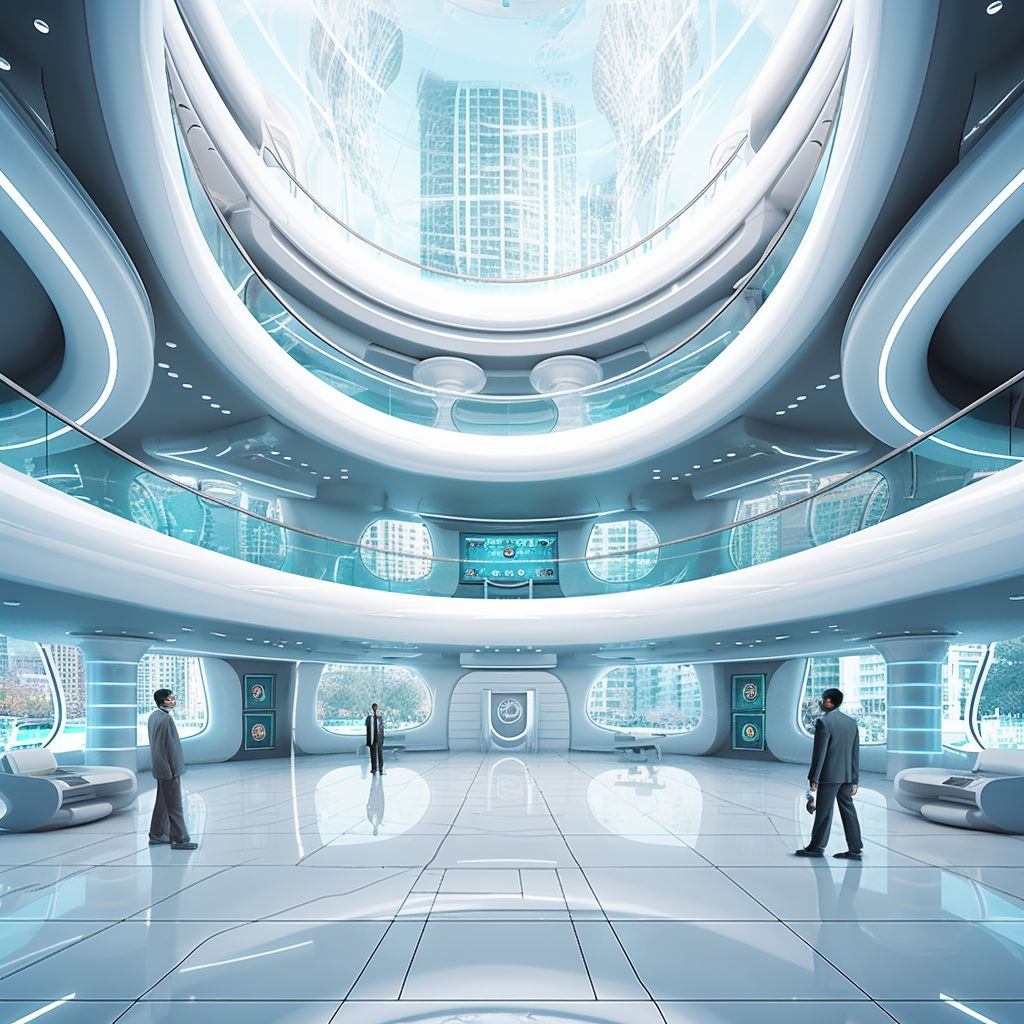
2nd STAGE - INFRASTRUCTURE CITIES - PART 8
The inside of a futuristic dome shaped high technological office space
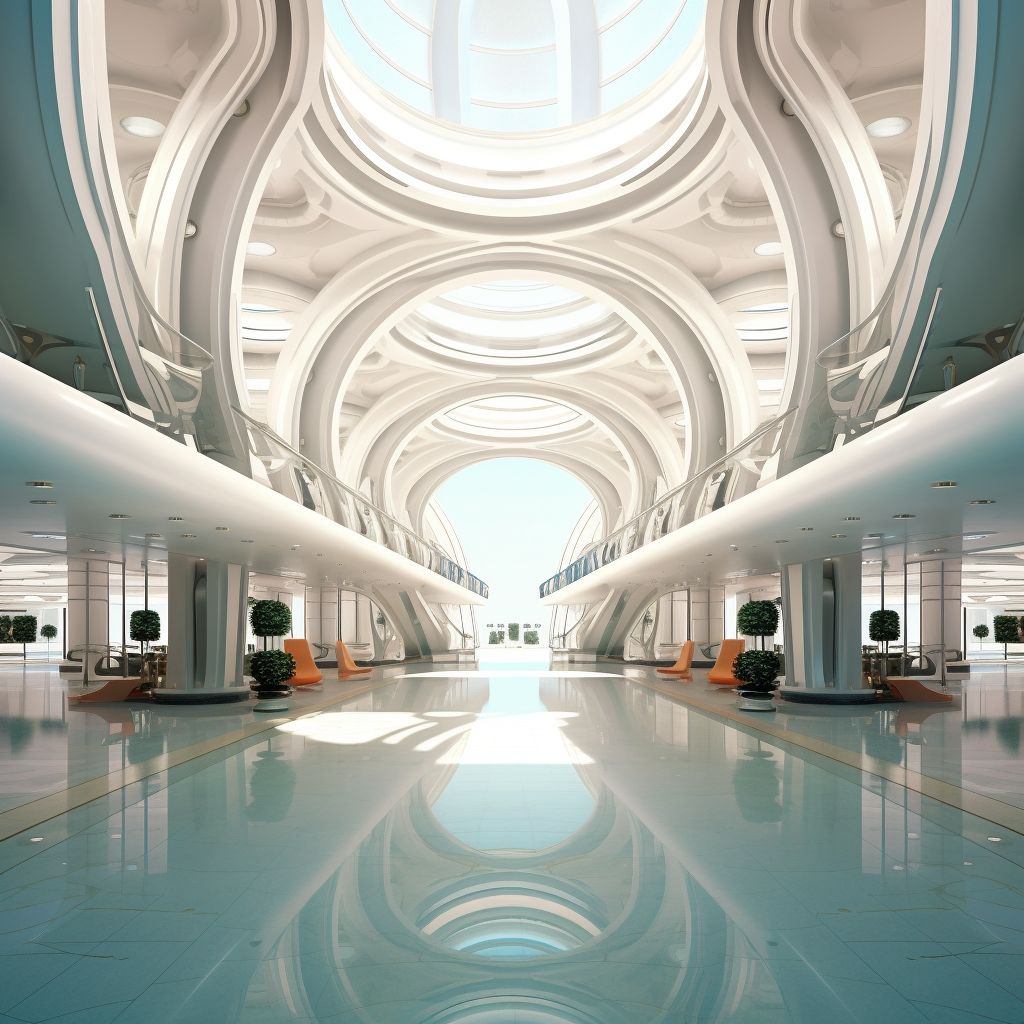
2nd STAGE - INFRASTRUCTURE CITIES - PART 9
High tech buildings will be constructed using advanced fabrication methods and 3d printing robotic technologies to produce internal spaces that will be fully sustainable and eco friendly to the environment. These can be the future offices of a Utopian community.
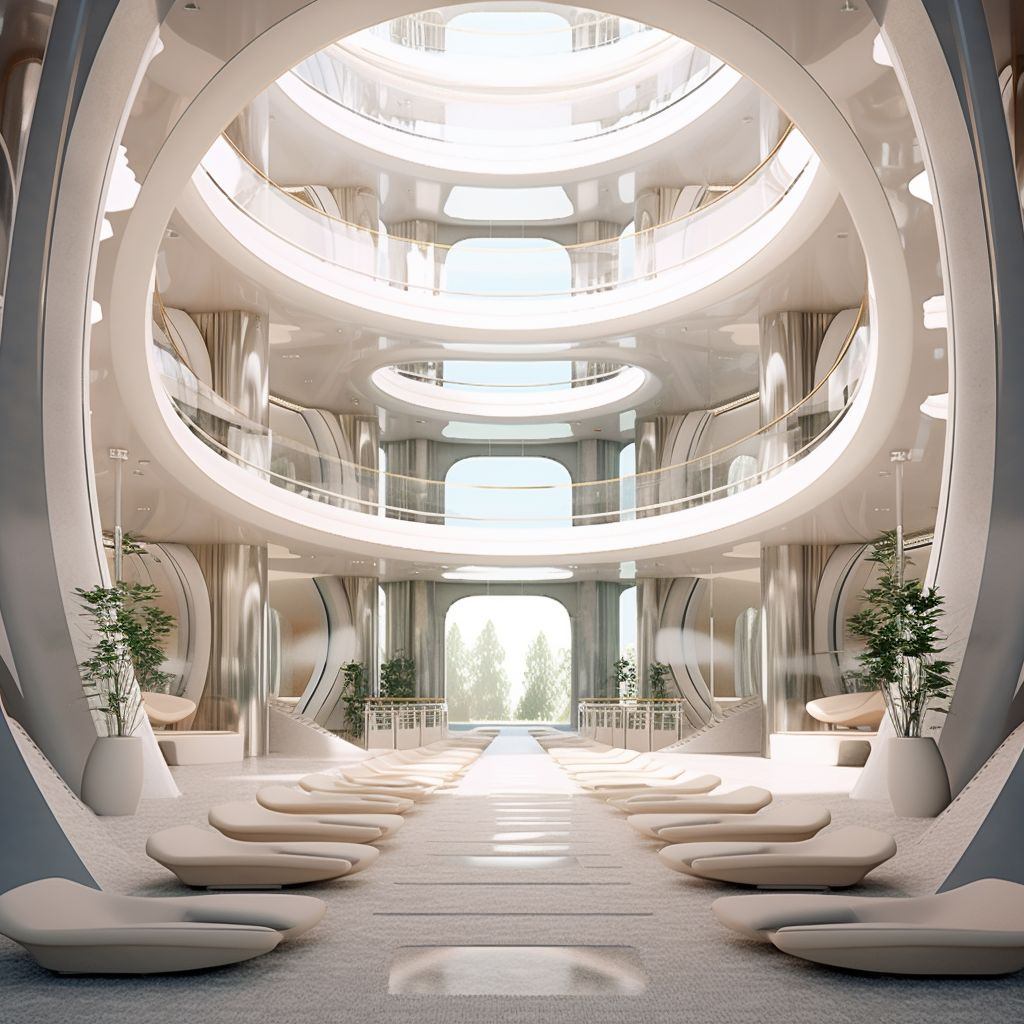
2nd STAGE - INFRASTRUCTURE CITIES - PART 10
Another image which represents the power of 3d printing technology and aesthetics brought forward through fabrication systems and applications. This space will offer a revitalisation space for harmony and a variety of corpocratic and acupuncturing medicinal applications that can alleviate body pain and provide health benefits for people with muscle body issues.
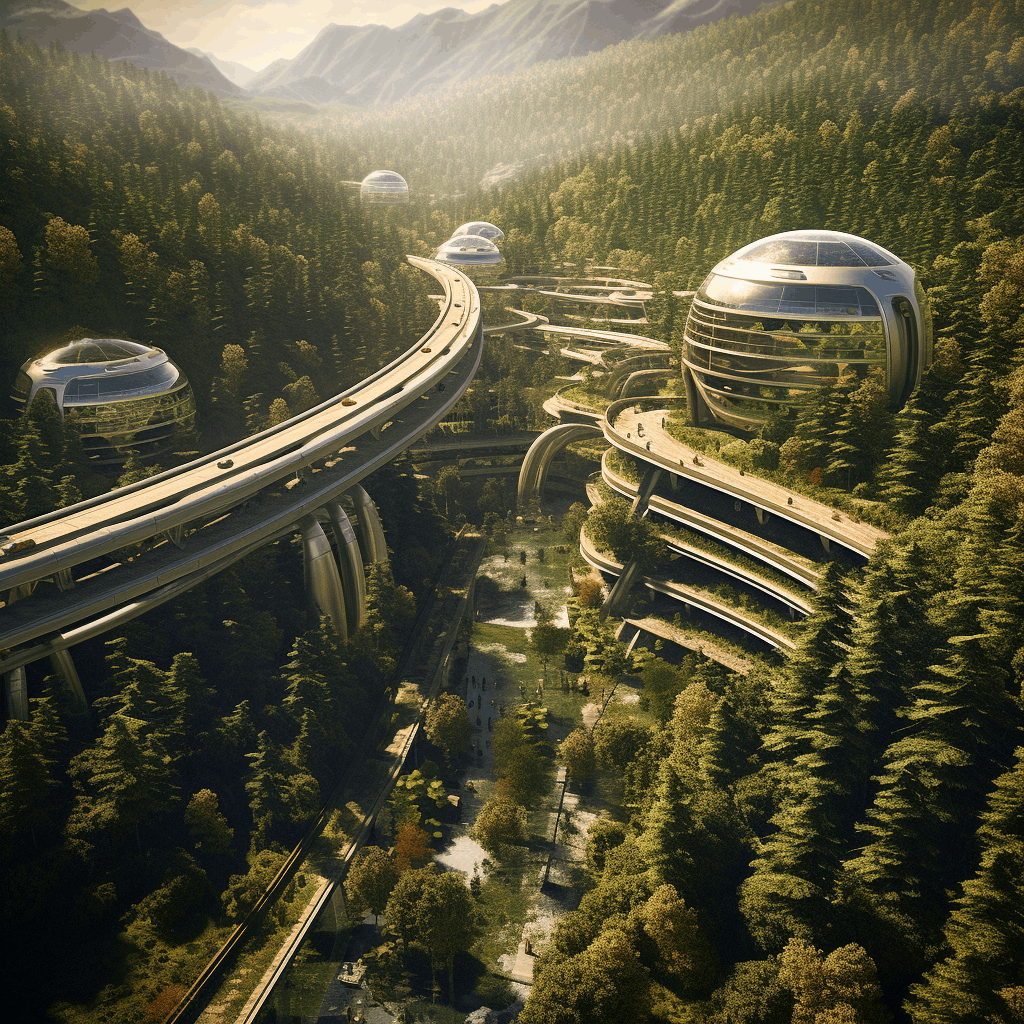
2nd STAGE - INFRASTRUCTURE CITIES - PART 11
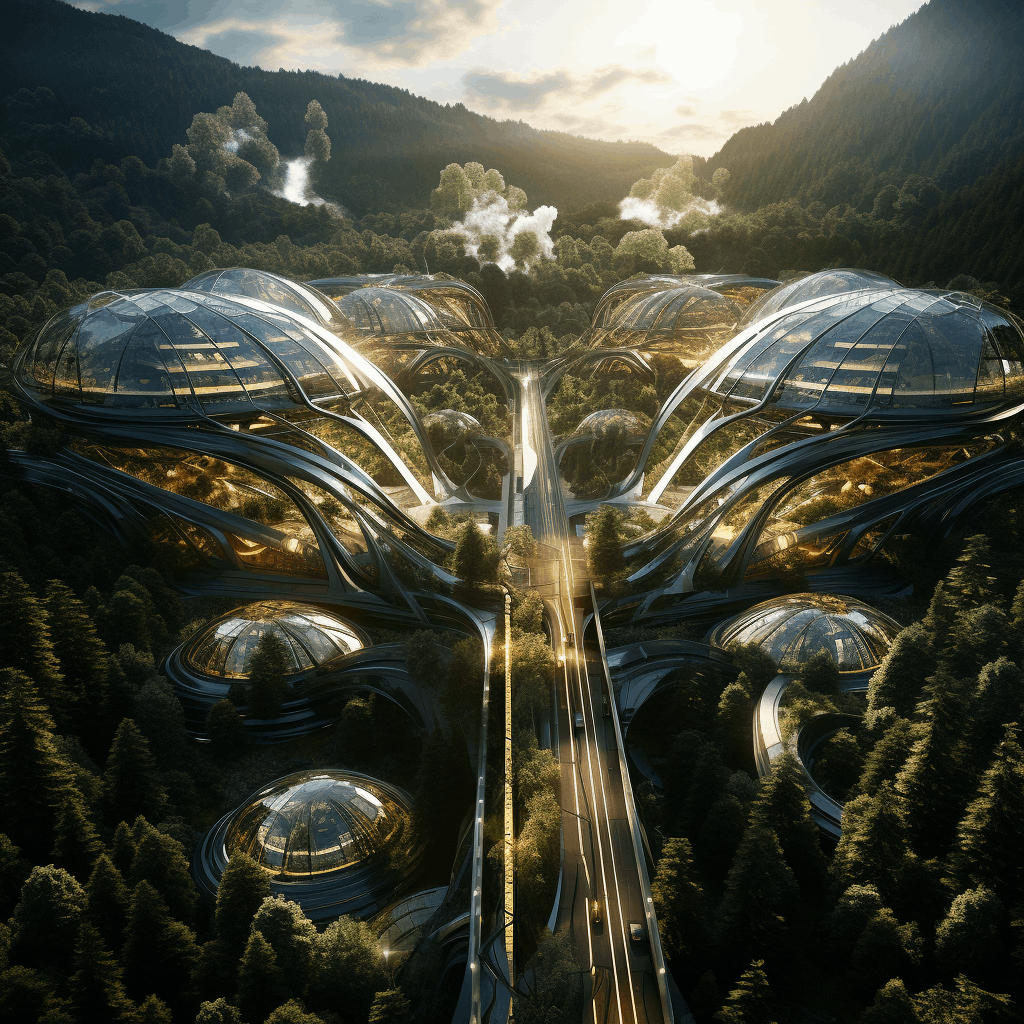
A highly sophisticated infrastructure with spherical dome structures and hyperloop railways and roads.
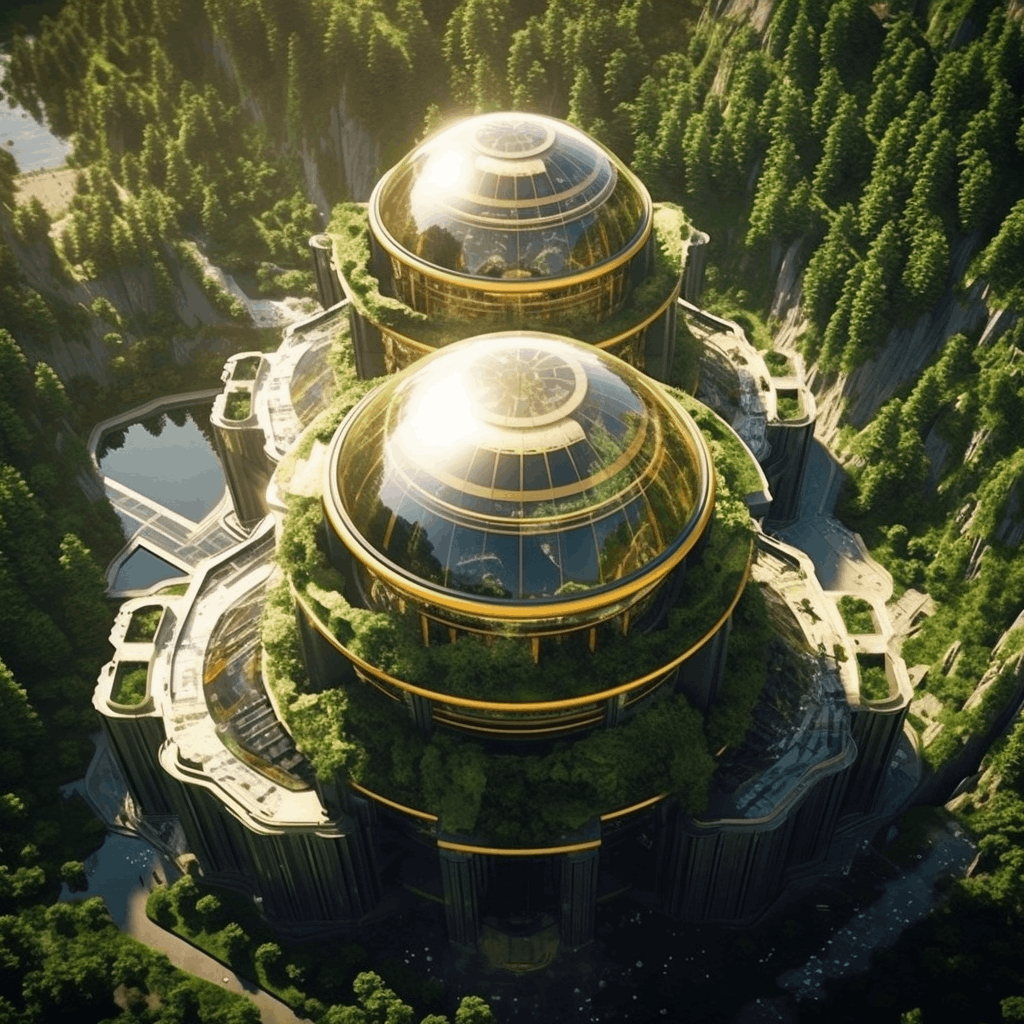
2nd STAGE - INFRASTRUCTURE CITIES - PART 12
An eco centre building used for political discussions, religious concentrations and other common gatherings for people of the surrounding vicinities.
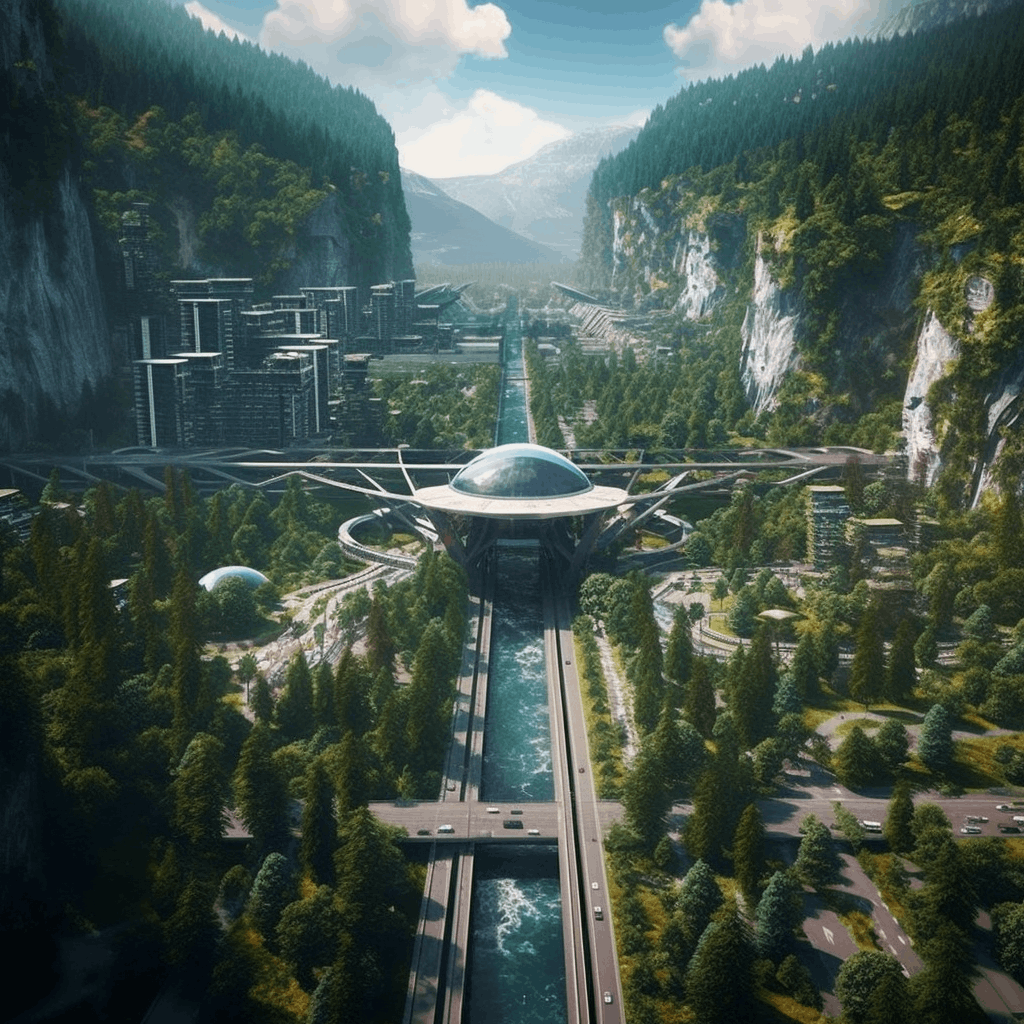
2nd STAGE - INFRASTRUCTURE CITIES - PART 13
Eco city infrastructure
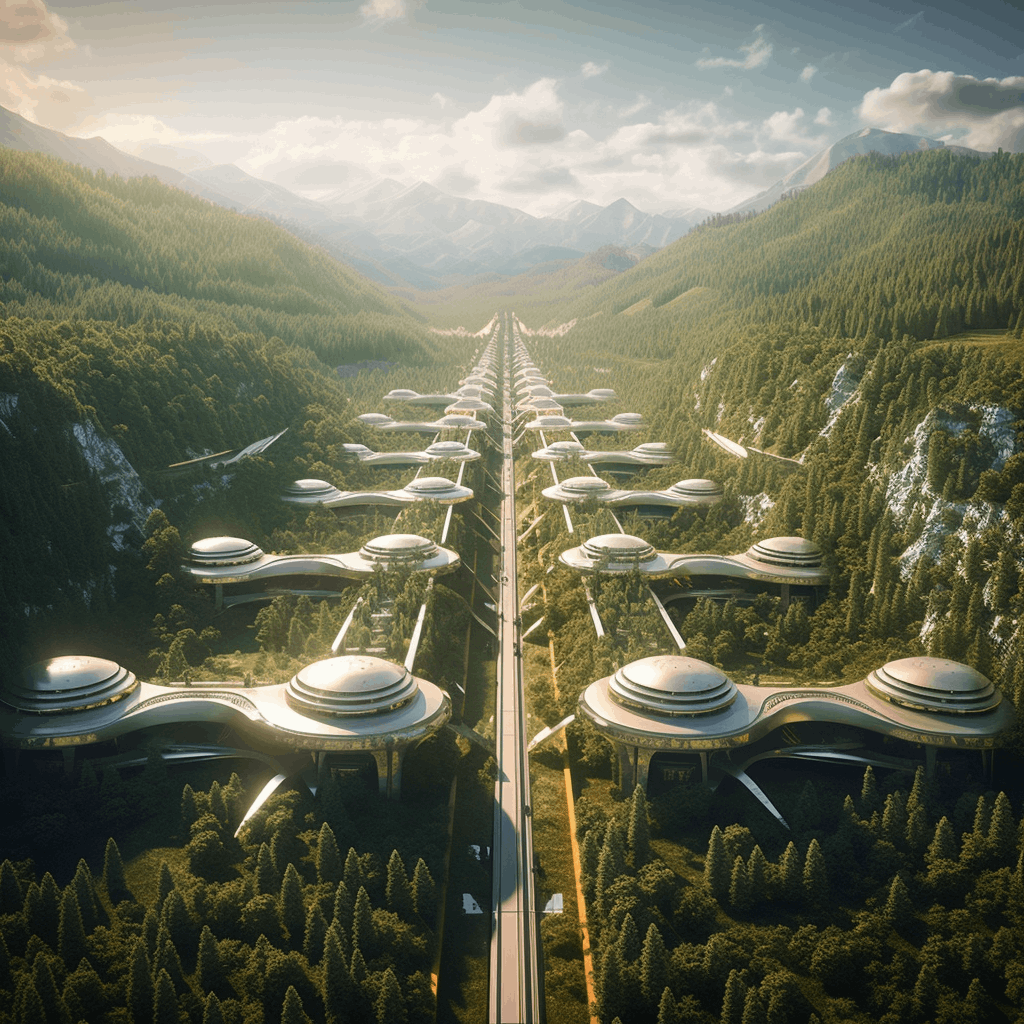
2nd STAGE - INFRASTRUCTURE CITIES - PART 14
Eco Offices
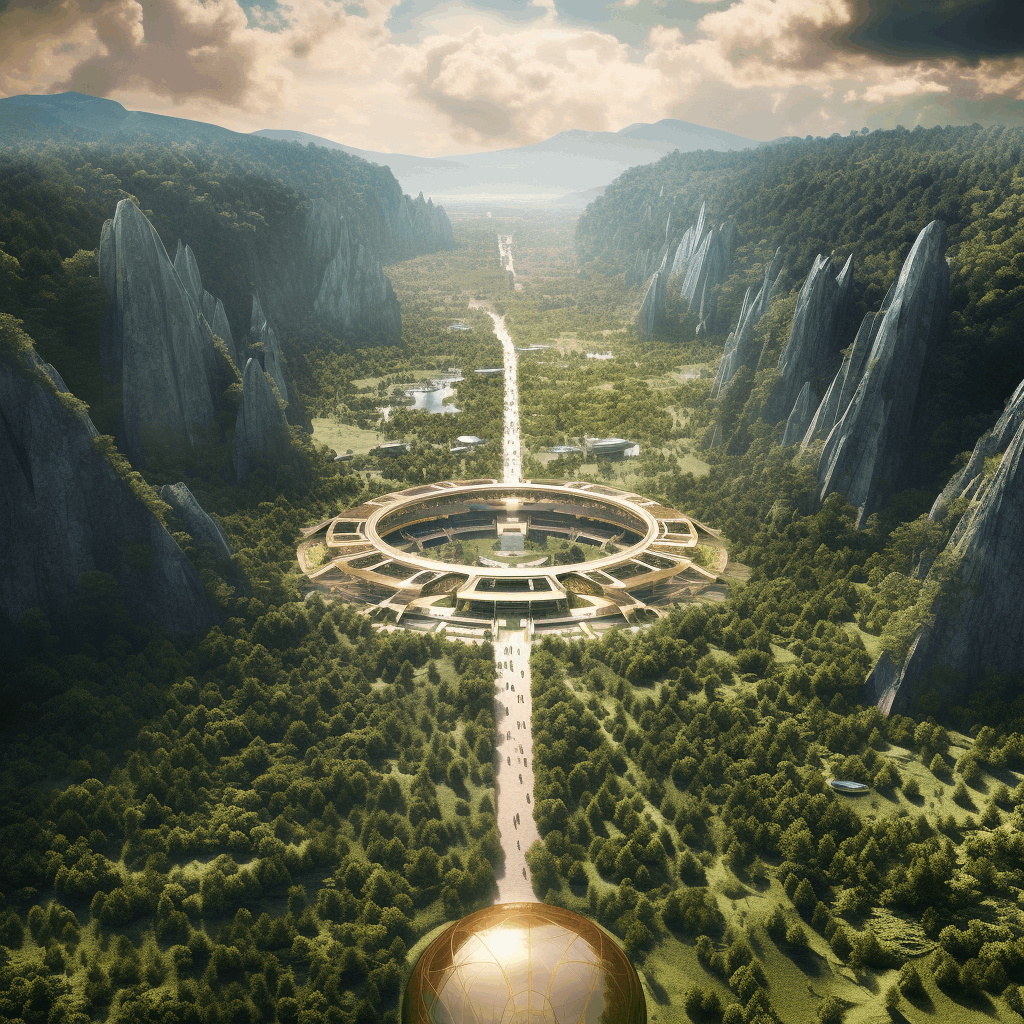
2nd STAGE - INFRASTRUCTURE CITIES - PART 15
The main cultural and religious hub for people from all around the world. Bringing people closer together and exchanging ideas on religion, empowering people to engage harmoniously, engaging on political discussions that could improve the world and provide better solutions that would create peaceful societies, eliminating the cause for wars and allowing to make clear decisions for cultures and countries that share different religious or political values or beliefs.
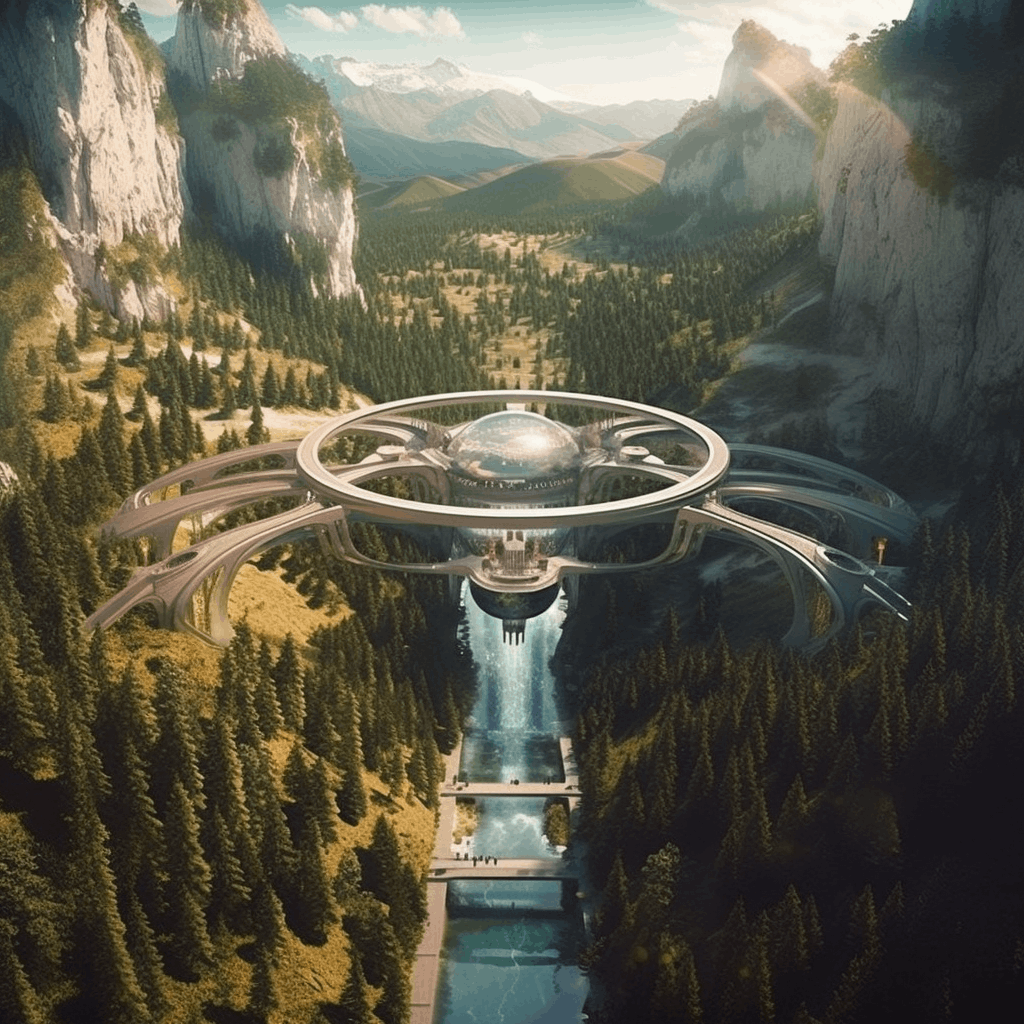
2nd STAGE - INFRASTRUCTURE CITIES - PART 16
An astrological observatory located on the hills.
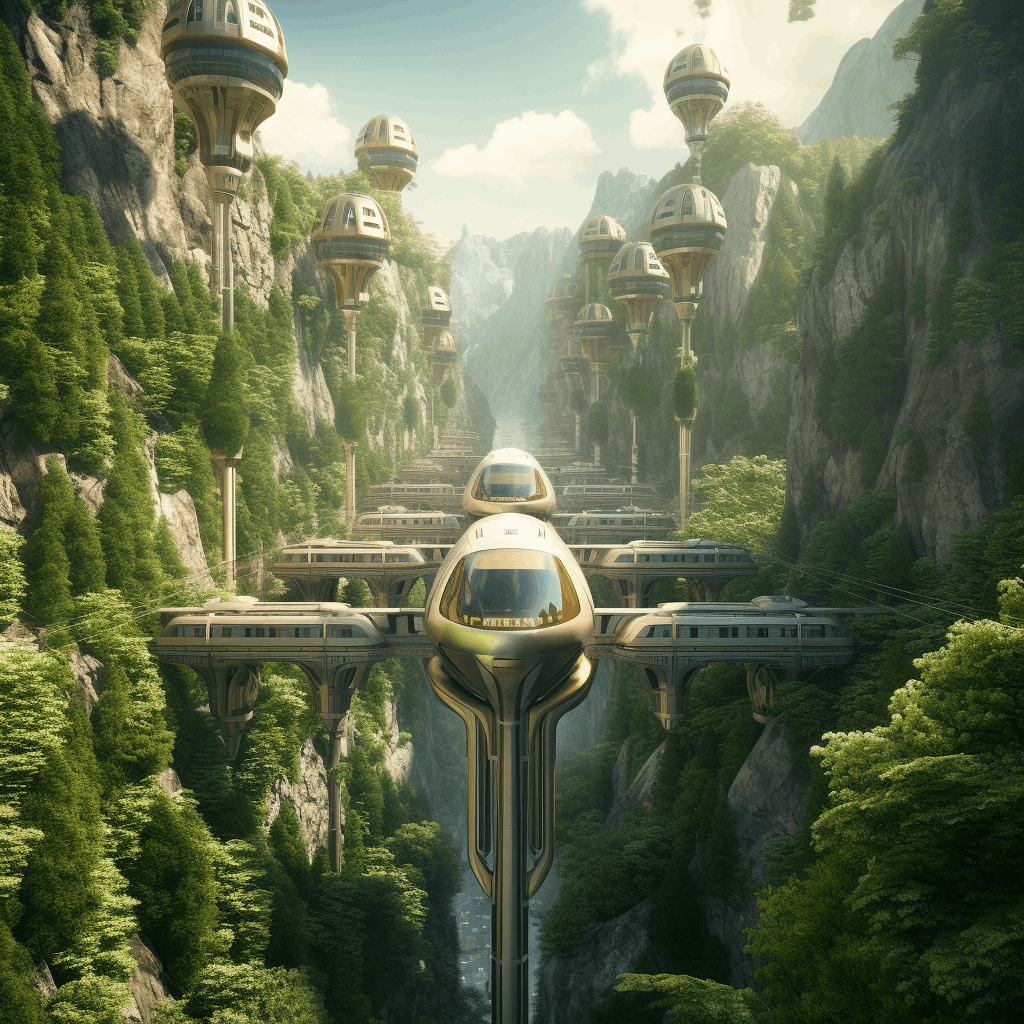
2nd STAGE - INFRASTRUCTURE CITIES - PART 17
Futuristic vertical structures that are stations for flying pods interconnected with railways that transport people to different destinations .
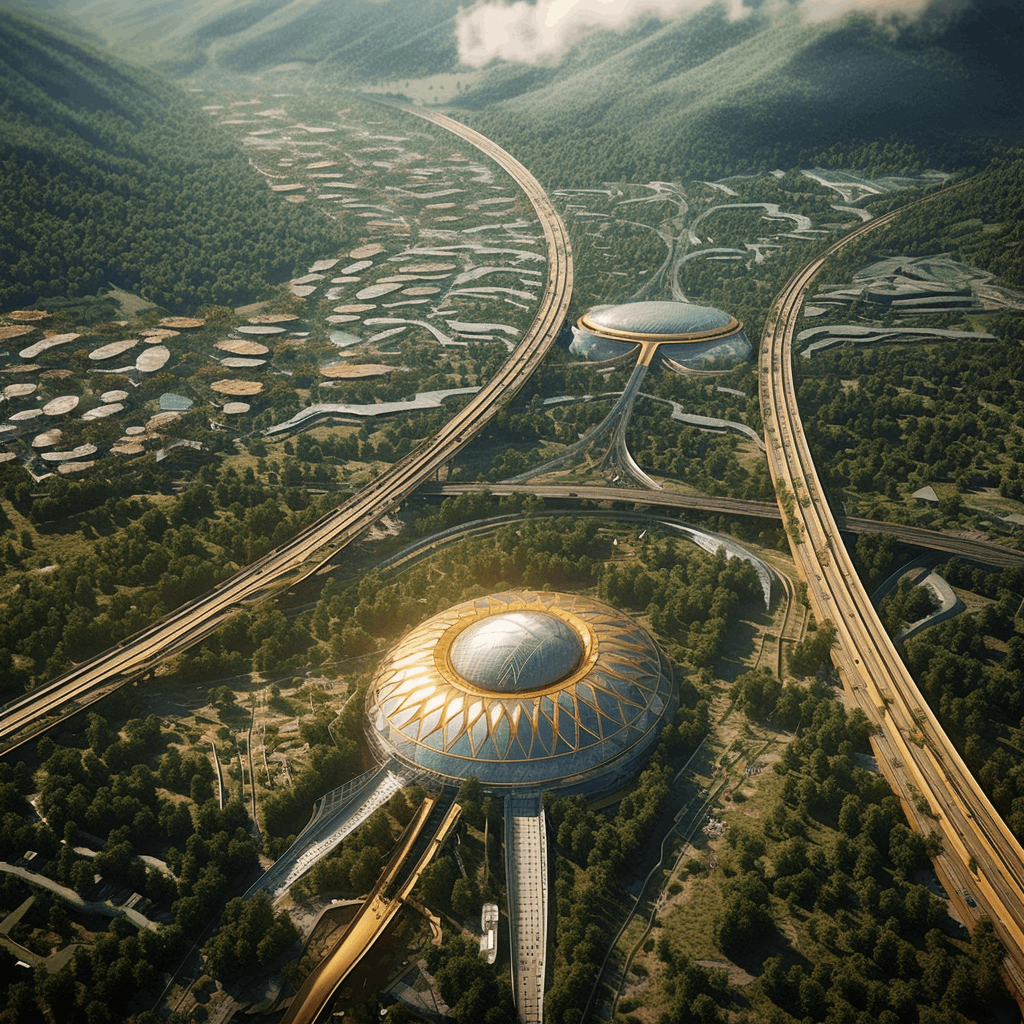
2nd STAGE - INFRASTRUCTURE CITIES - PART 18
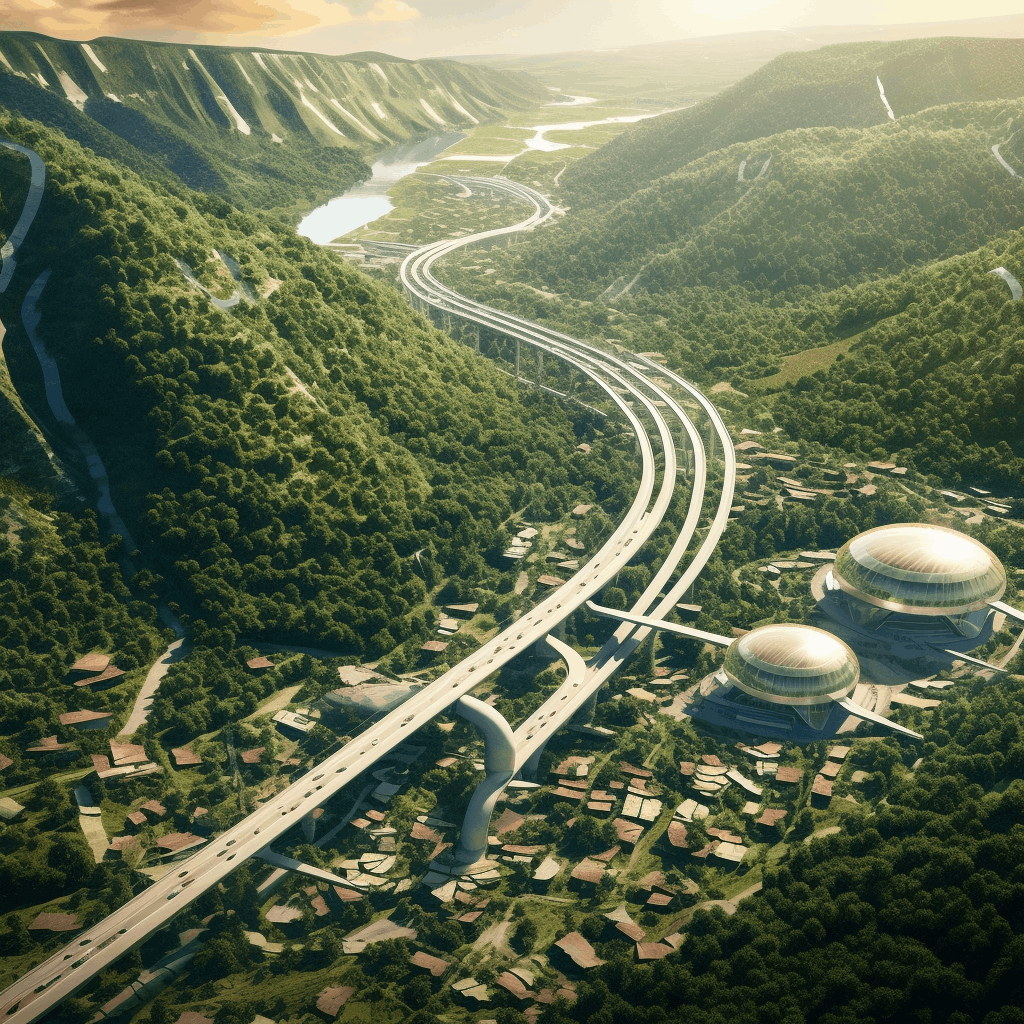
Spreading a Utopian cultural centre through the land and reshaping the infrastructure of a new society.
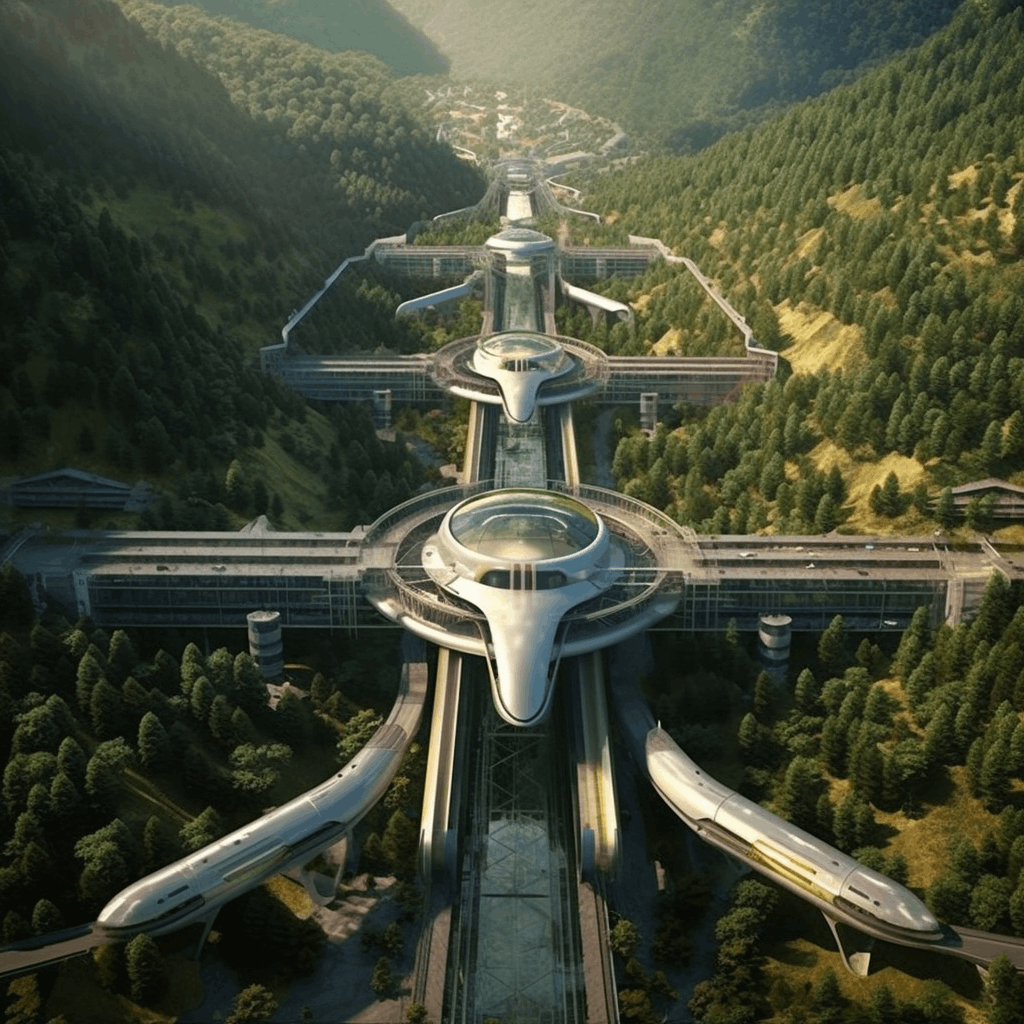
2nd STAGE - INFRASTRUCTURE CITIES - PART 19
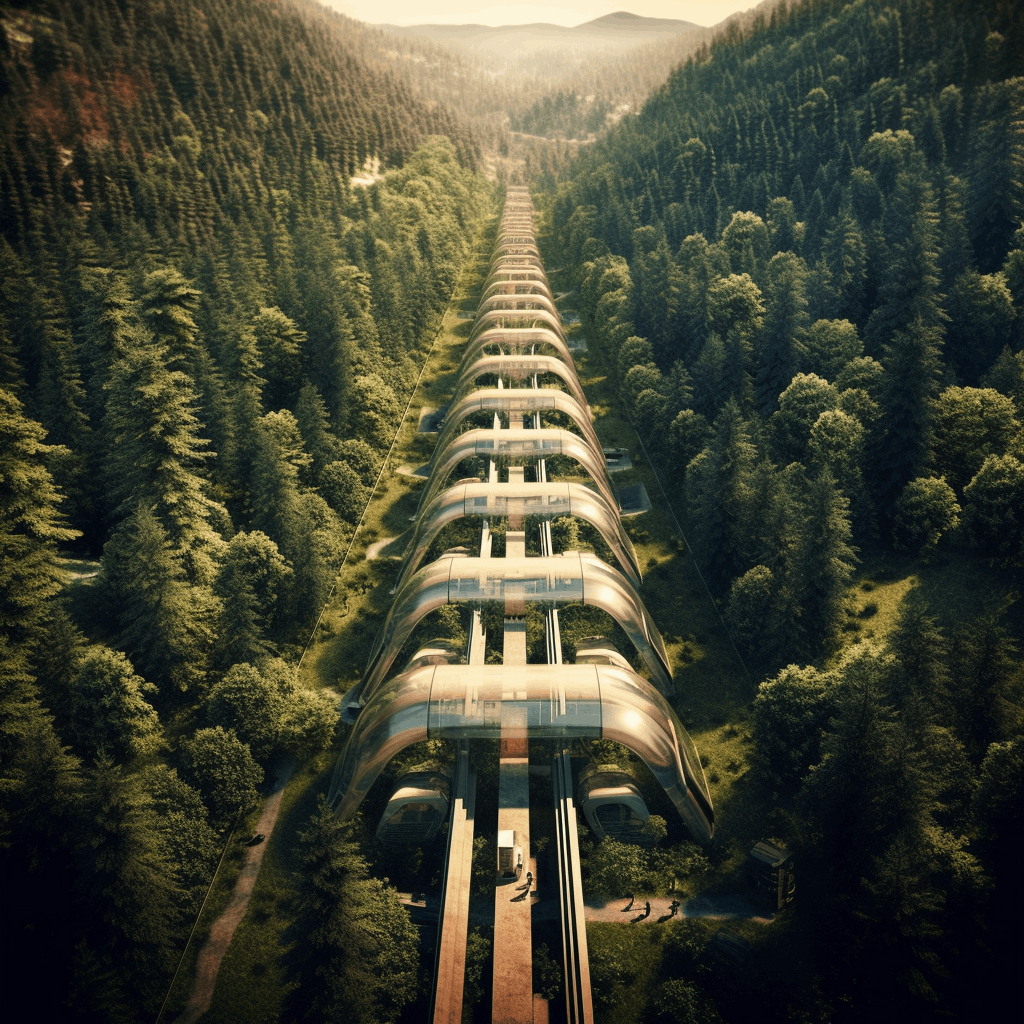
Hyperloop Trains and Mag lev transportation systems powered by geothermal energy
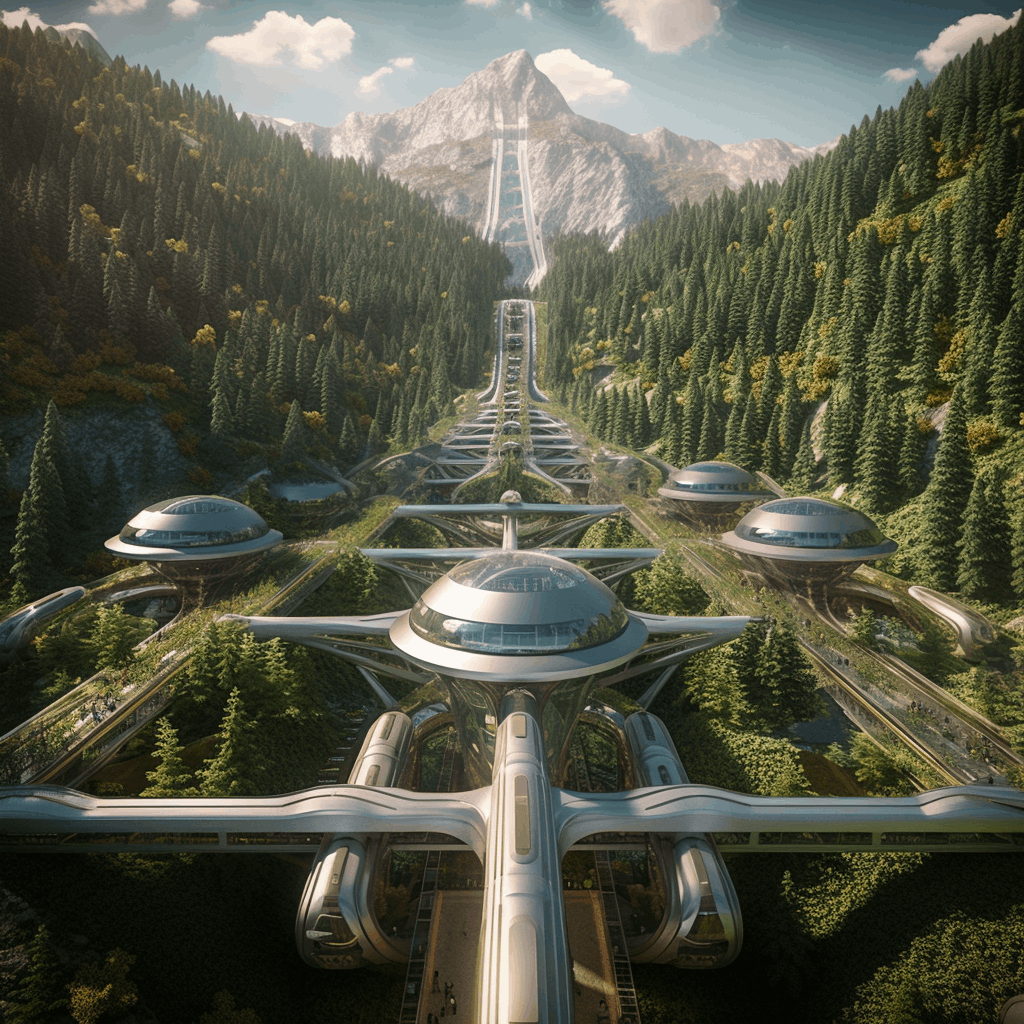
2nd STAGE - INFRASTRUCTURE CITIES - PART 20
Hyperloop Trains, Mag lev transportation systems and hyperloop cars powered by geothermal energy through a series of enclosed tunnels, interconnected road systems, tubes and terminals.
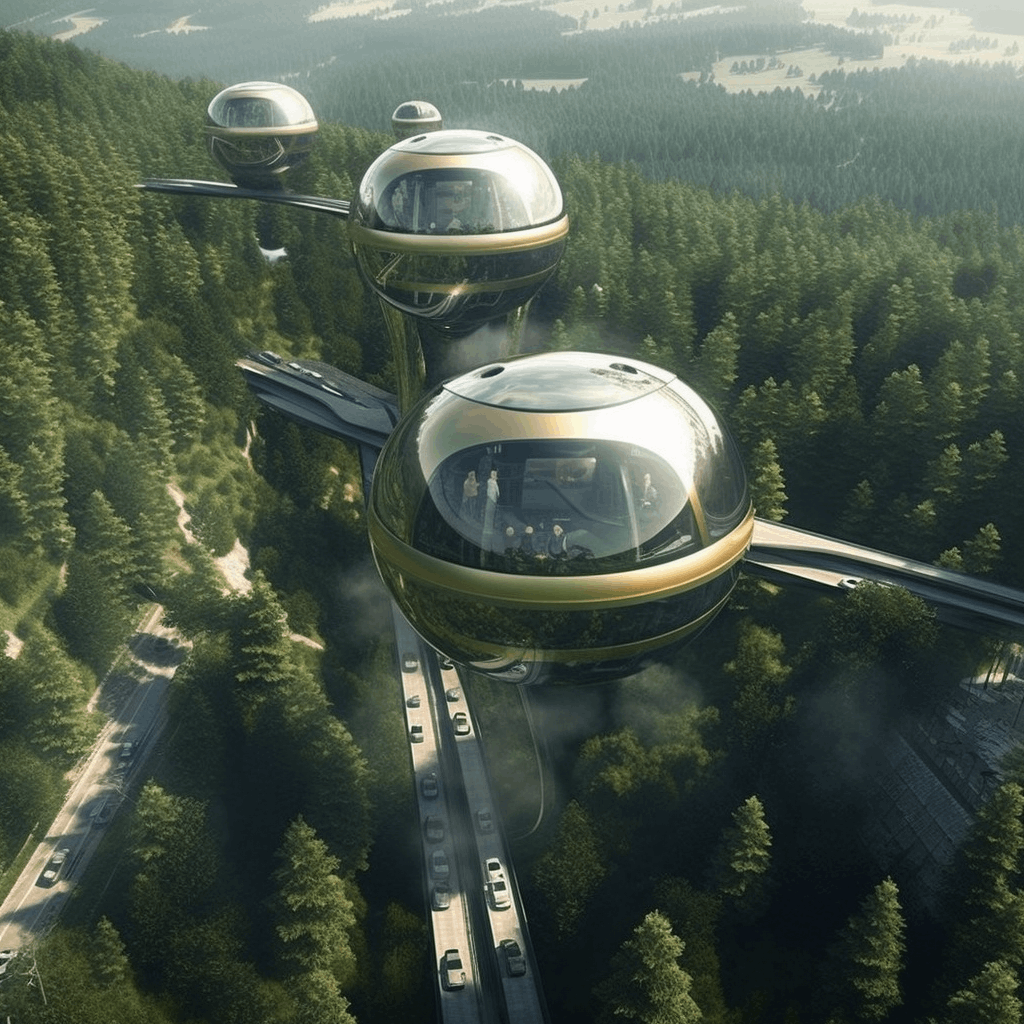
2nd STAGE - INFRASTRUCTURE CITIES - PART 21
Individual dome touristic attractions that allow 360 degree view of the natural landscape
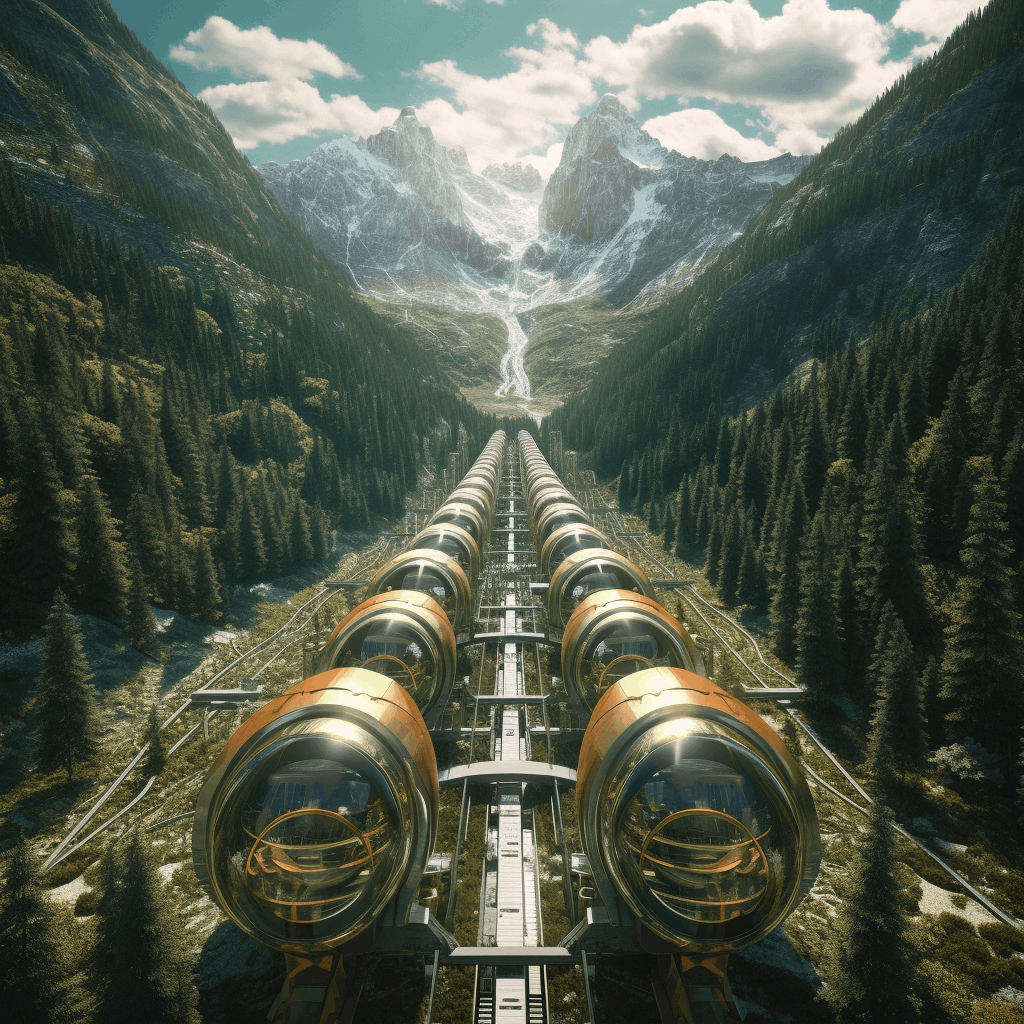
2nd STAGE - INFRASTRUCTURE CITIES - PART 22
A series of futuristic modular flying pods that can transport you to different locations. These flying pods will be powered by a geothermal mechanical facility underground connected through a network of pipes collecting and recharging the pods for long period of times within a mechanical energy circuit that can collect and recharge the energy. Another alternative will be to use hydrogen energy which is also sustainable and eco friendly to the environment.
2nd STAGE - INFRASTRUCTURE CITIES - PART 23
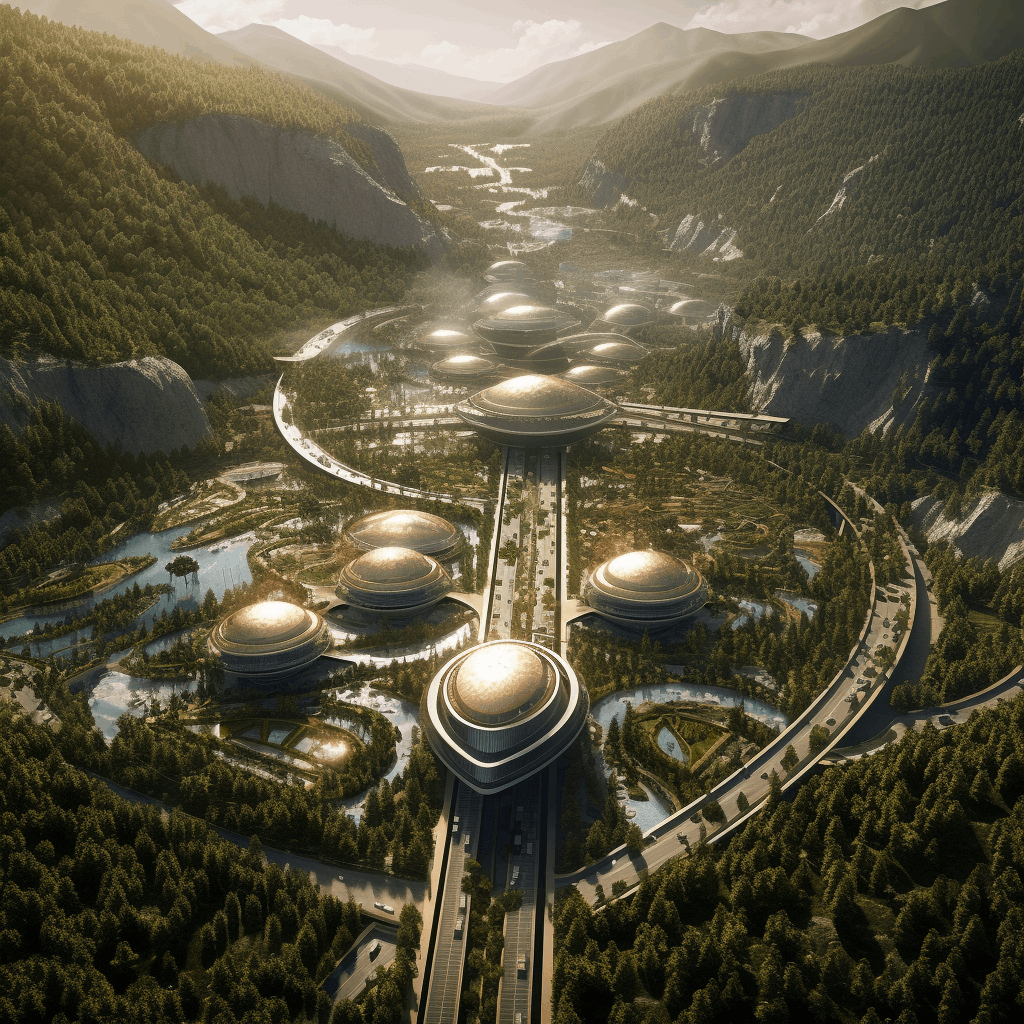
The future of cities
2nd STAGE - INFRASTRUCTURE CITIES - PART 24
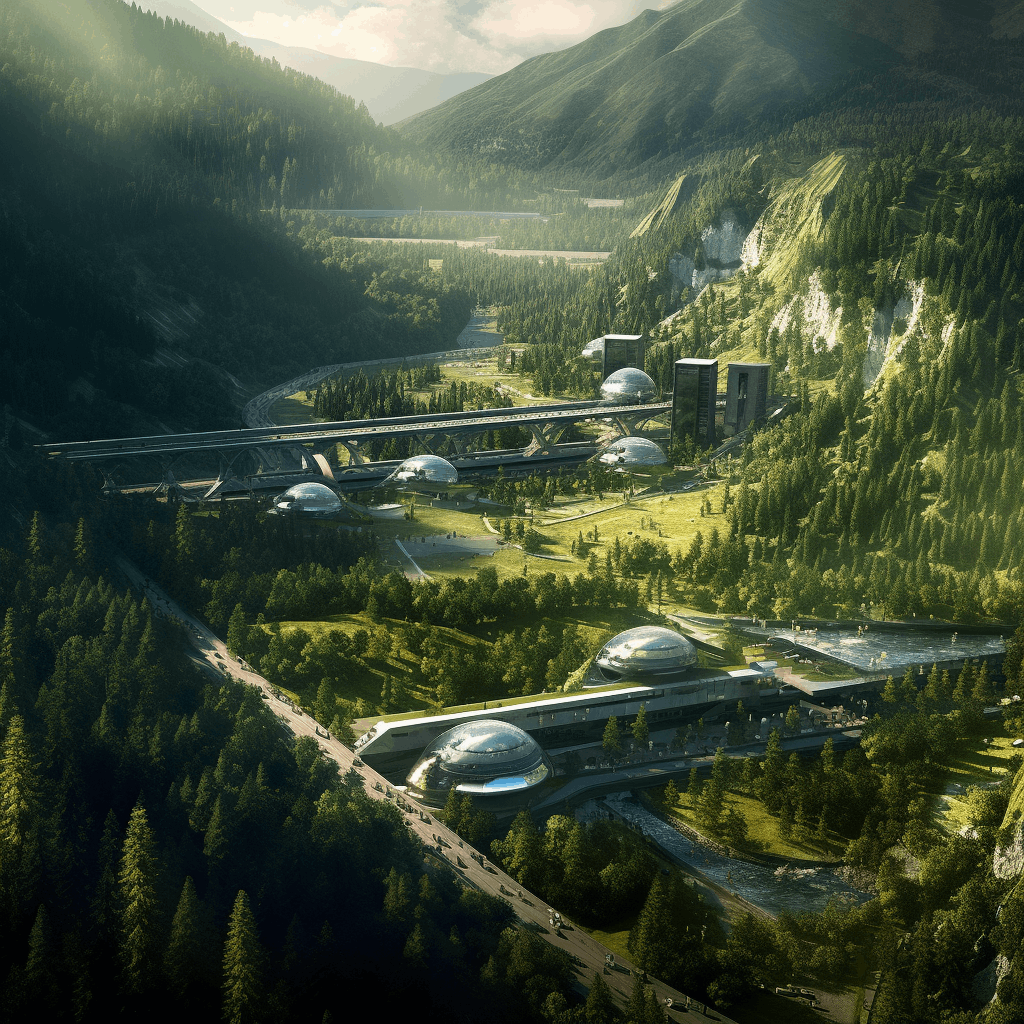
A variety of facilities powered by hydrogen gas. Hydrogen is a clean fuel that, when consumed in a fuel cell, produces only water. Hydrogen can be produced from a variety of domestic resources, such as natural gas, nuclear power, biomass, and renewable power like solar and wind. It has enormous potential as an environmentally friendly alternative to fossil fuels because it only emits water when it is burned.
2nd STAGE - INFRASTRUCTURE CITIES - PART 25
2nd STAGE - INFRASTRUCTURE CITIES - PART 26
2nd STAGE - INFRASTRUCTURE CITIES - PART 27
2nd STAGE - INFRASTRUCTURE CITIES - PART 28
2nd STAGE - INFRASTRUCTURE CITIES - PART 29
2nd STAGE - INFRASTRUCTURE CITIES - PART 30
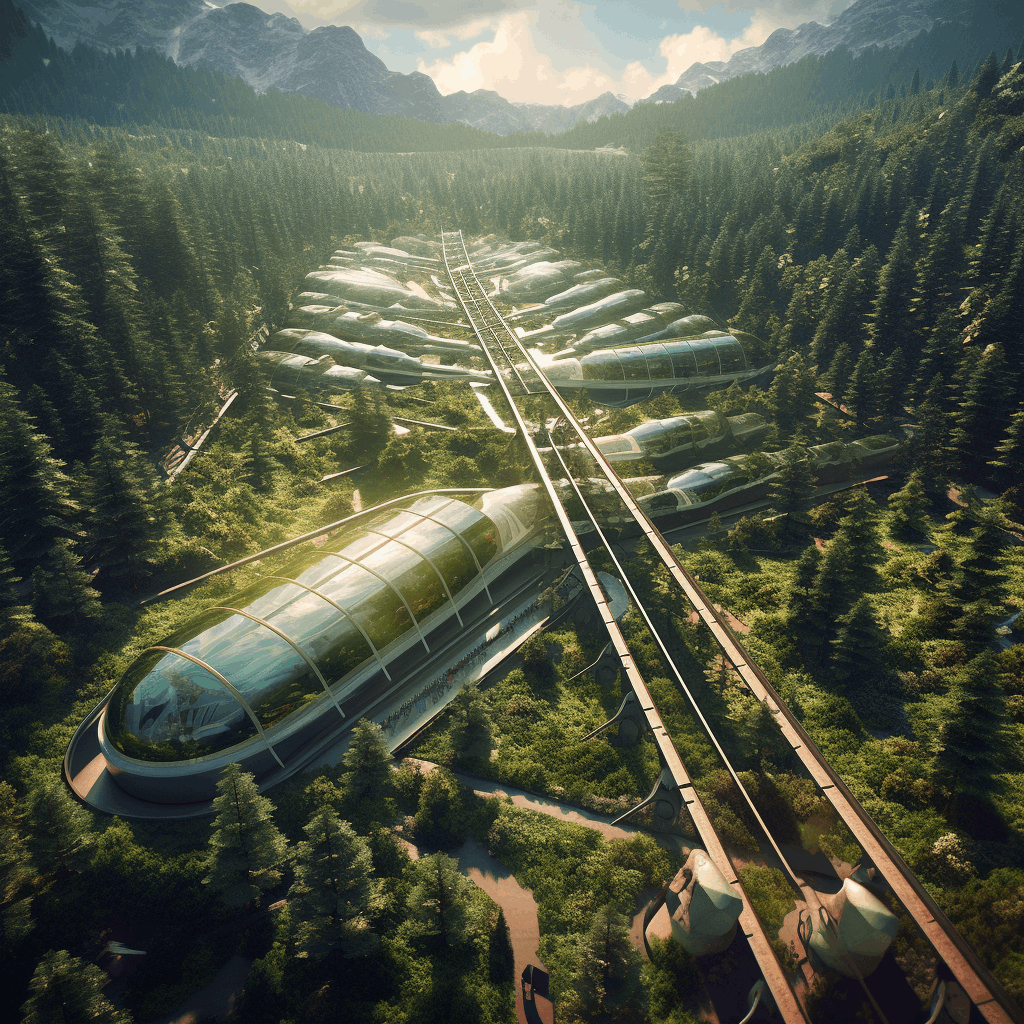
2nd STAGE - INFRASTRUCTURE CITIES - PART 31
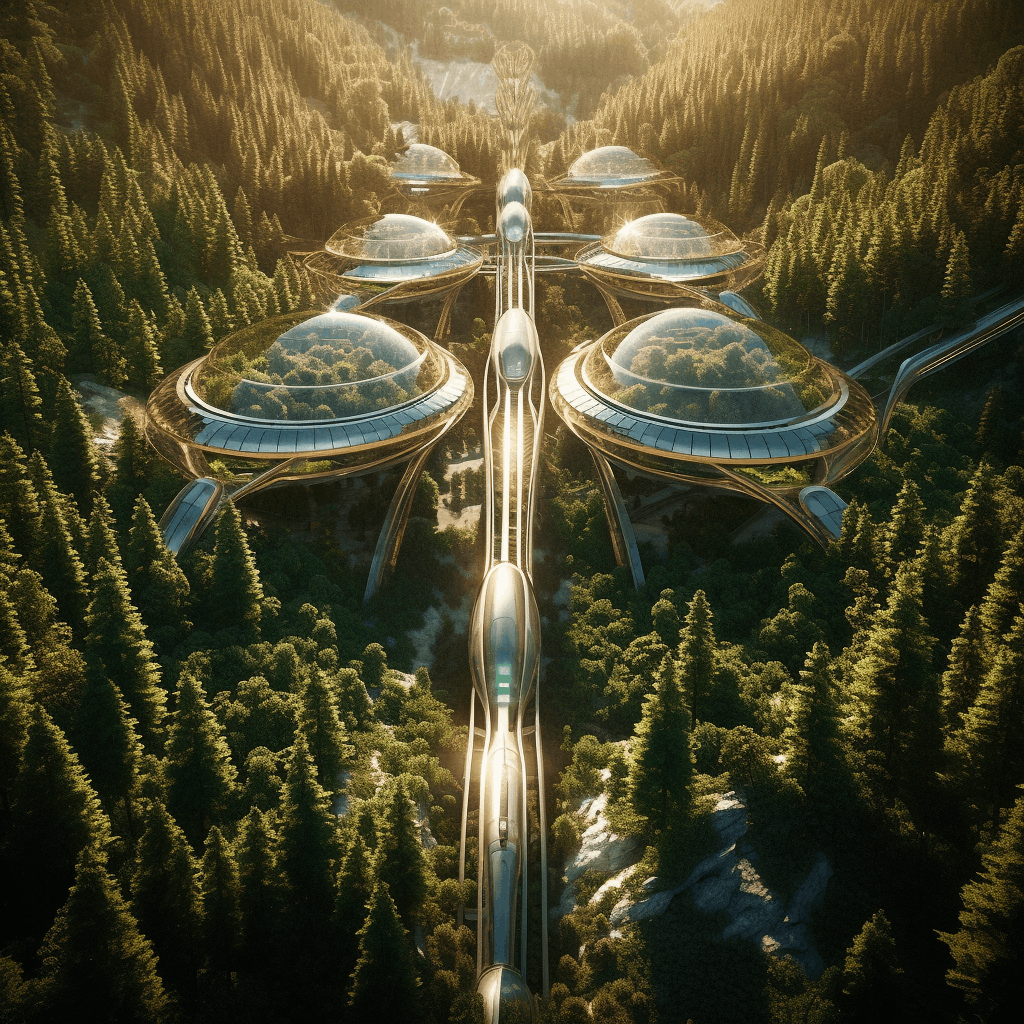
2nd STAGE - INFRASTRUCTURE CITIES - PART 32
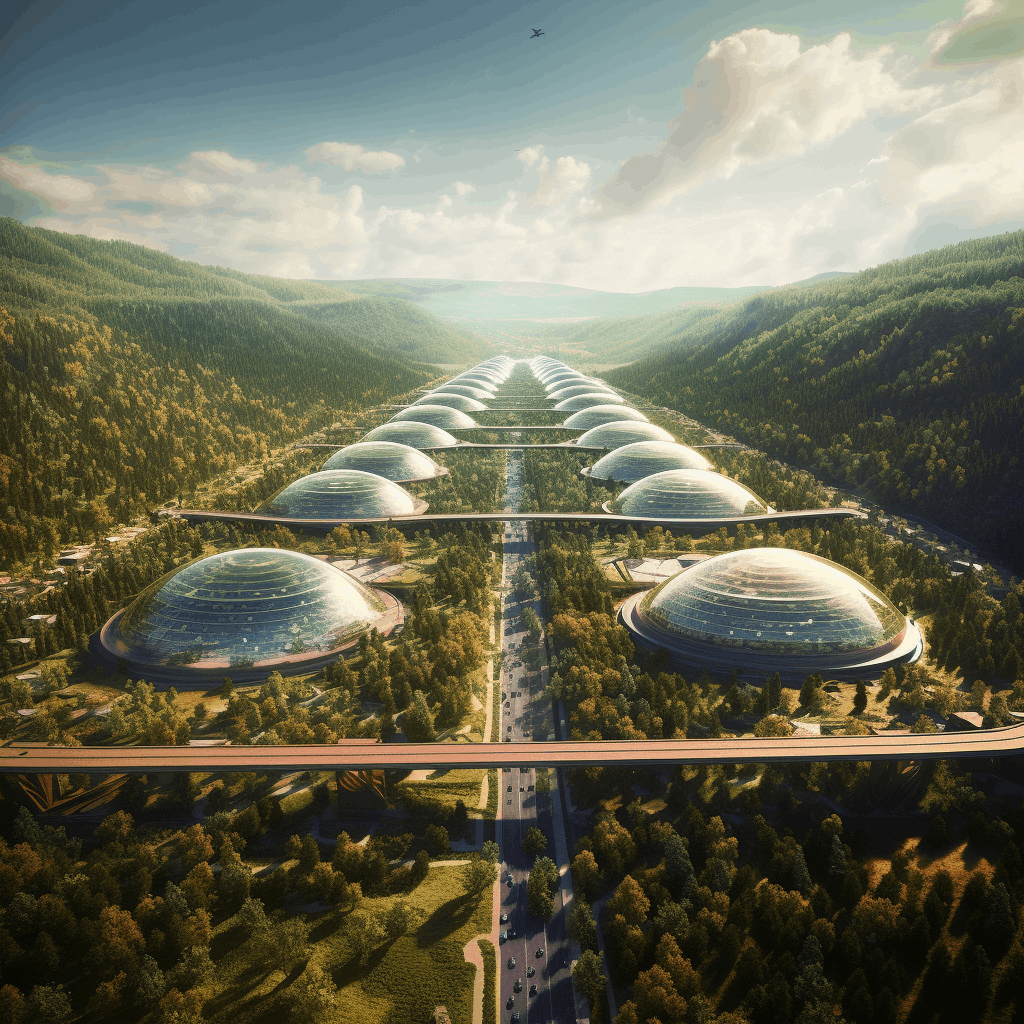
2nd STAGE - INFRASTRUCTURE CITIES - PART 33
Greenhouses along the land
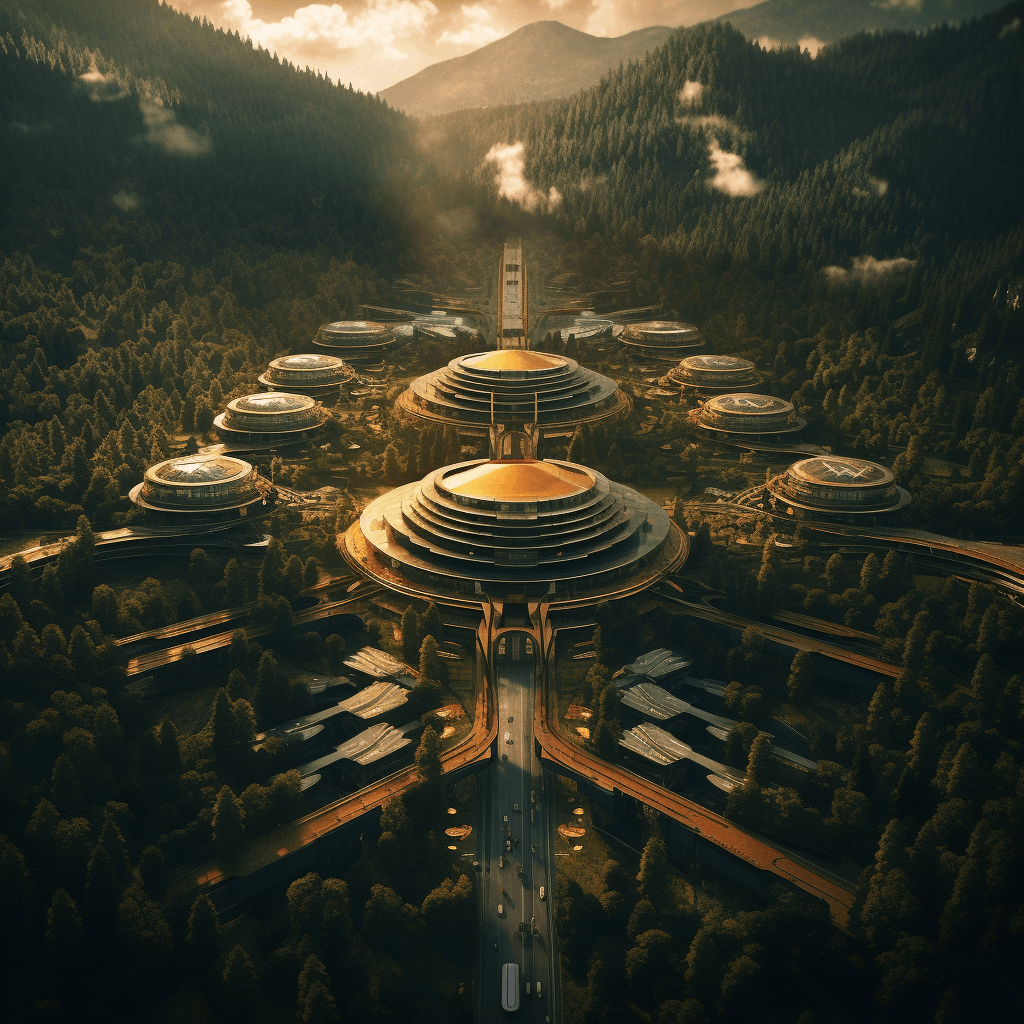
2nd STAGE - INFRASTRUCTURE CITIES - PART 34
Eco futuristic hotels in nature
2nd STAGE - INFRASTRUCTURE CITIES - PART 35
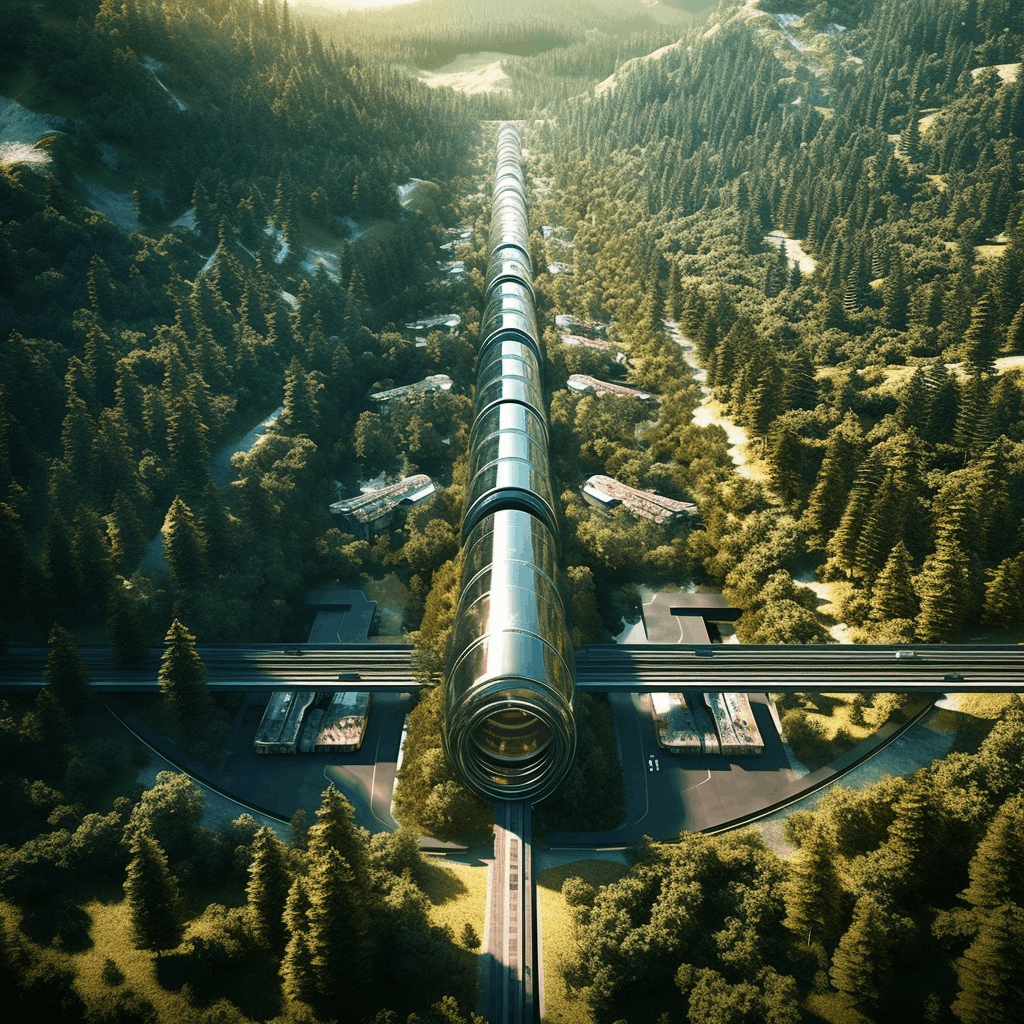
Hyperloop train connecting other cities
2nd STAGE - INFRASTRUCTURE CITIES - PART 36
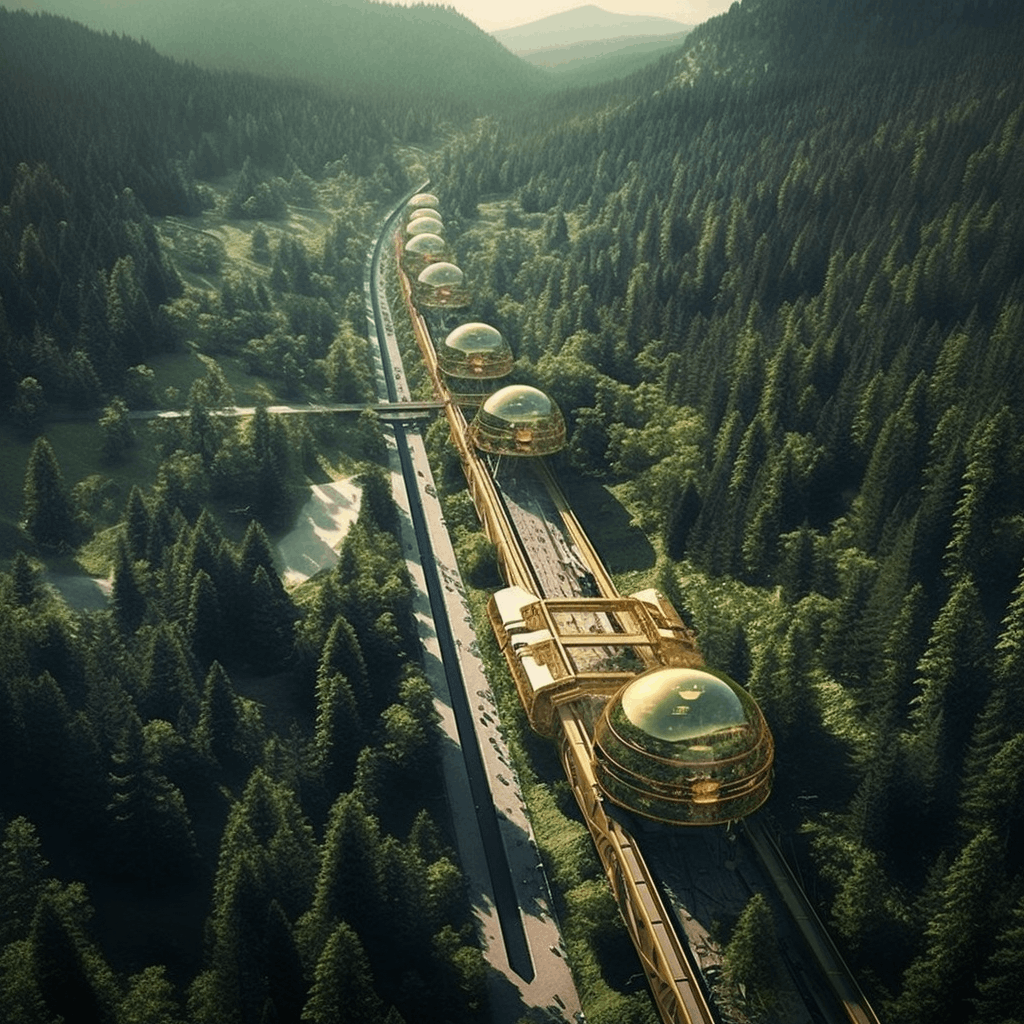
Reserves of hydrogen and geothermal energy use for future city applications
2nd STAGE - INFRASTRUCTURE CITIES - PART 37
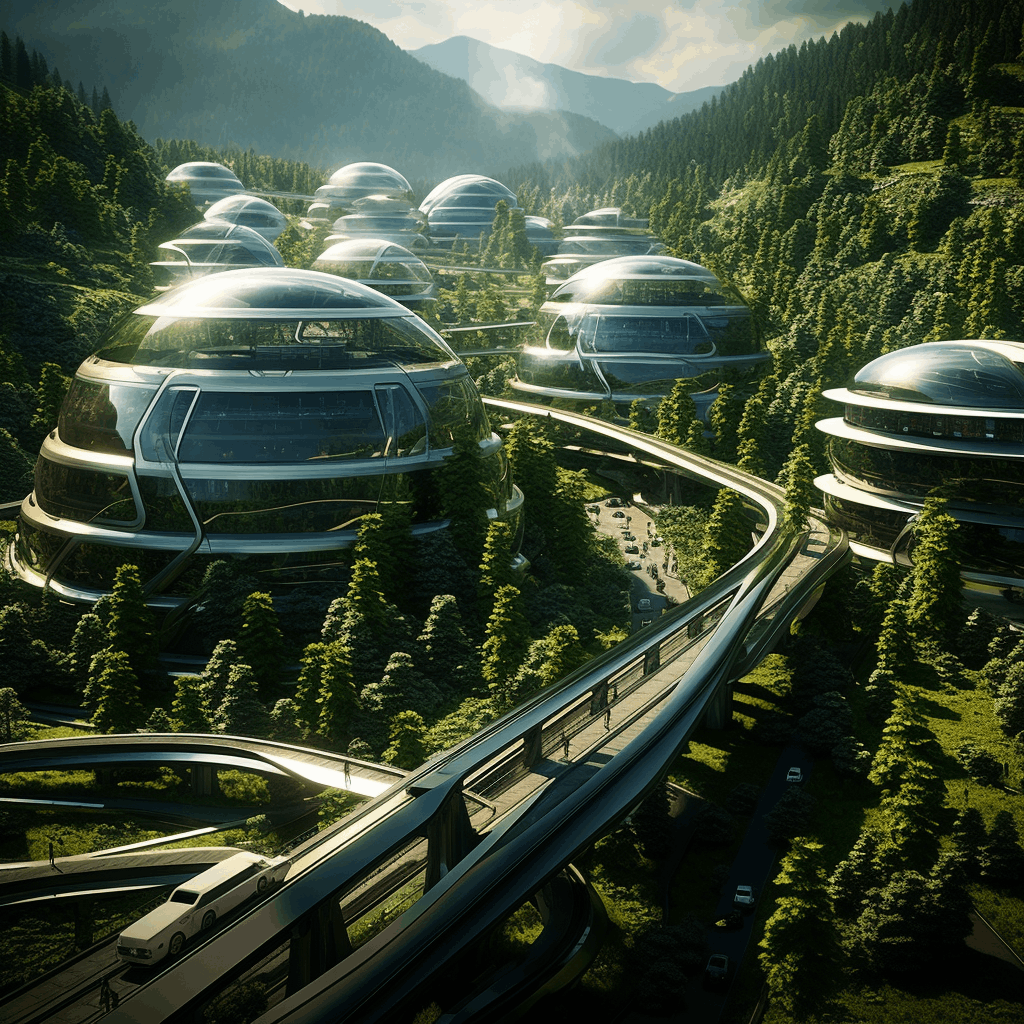
Eco sustainable office buildings interconnected with small hyperloop trains that transport people to their building facilities
2nd STAGE - INFRASTRUCTURE CITIES - PART 38
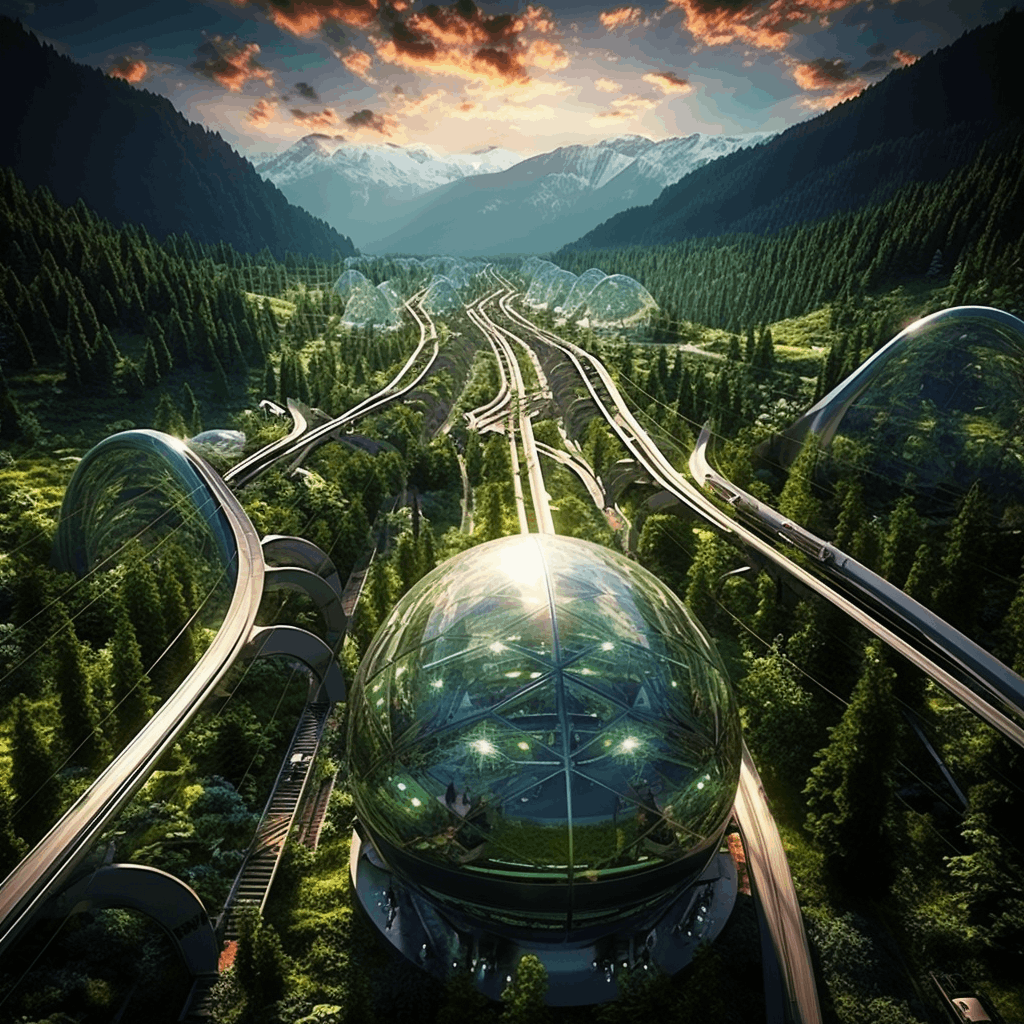
A huge infrastructure of dome like structures and hyperloop trains
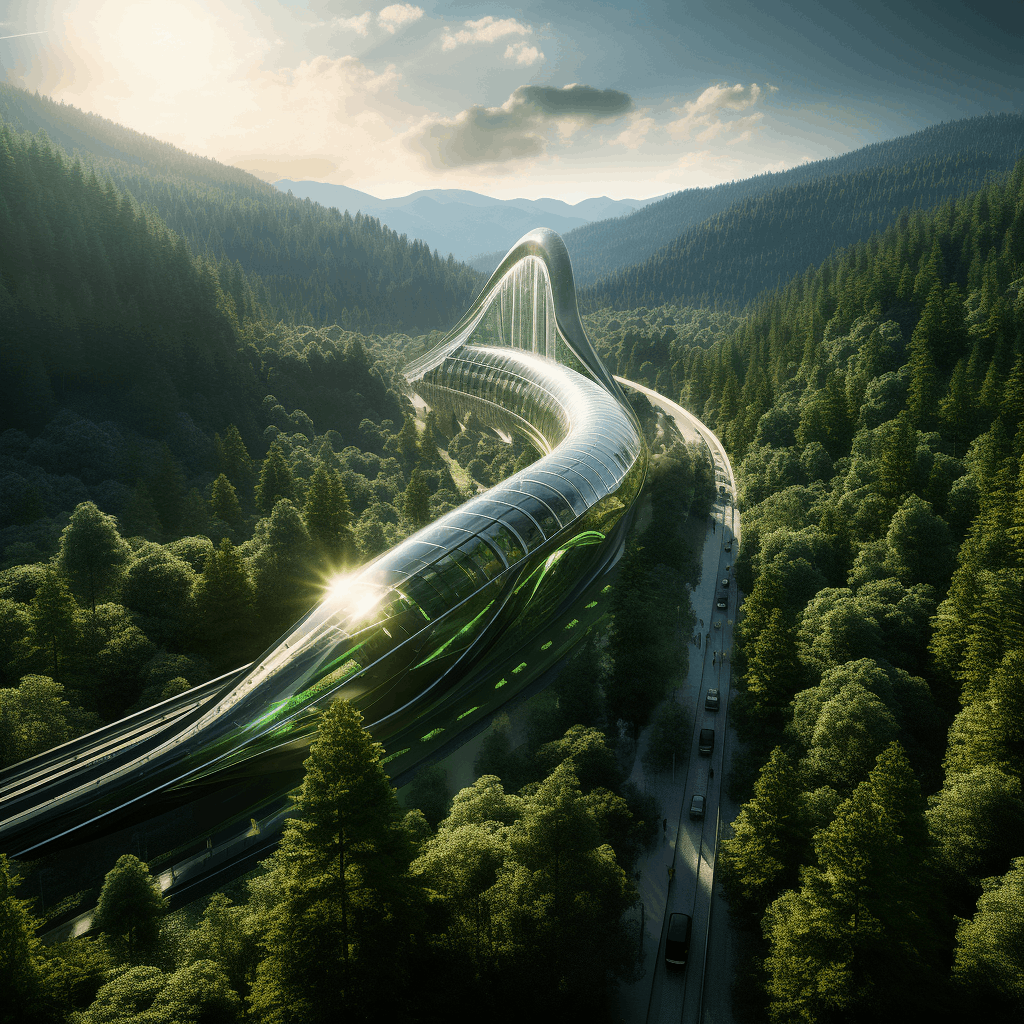
2nd STAGE - INFRASTRUCTURE CITIES - PART 39
Hyperloop trains
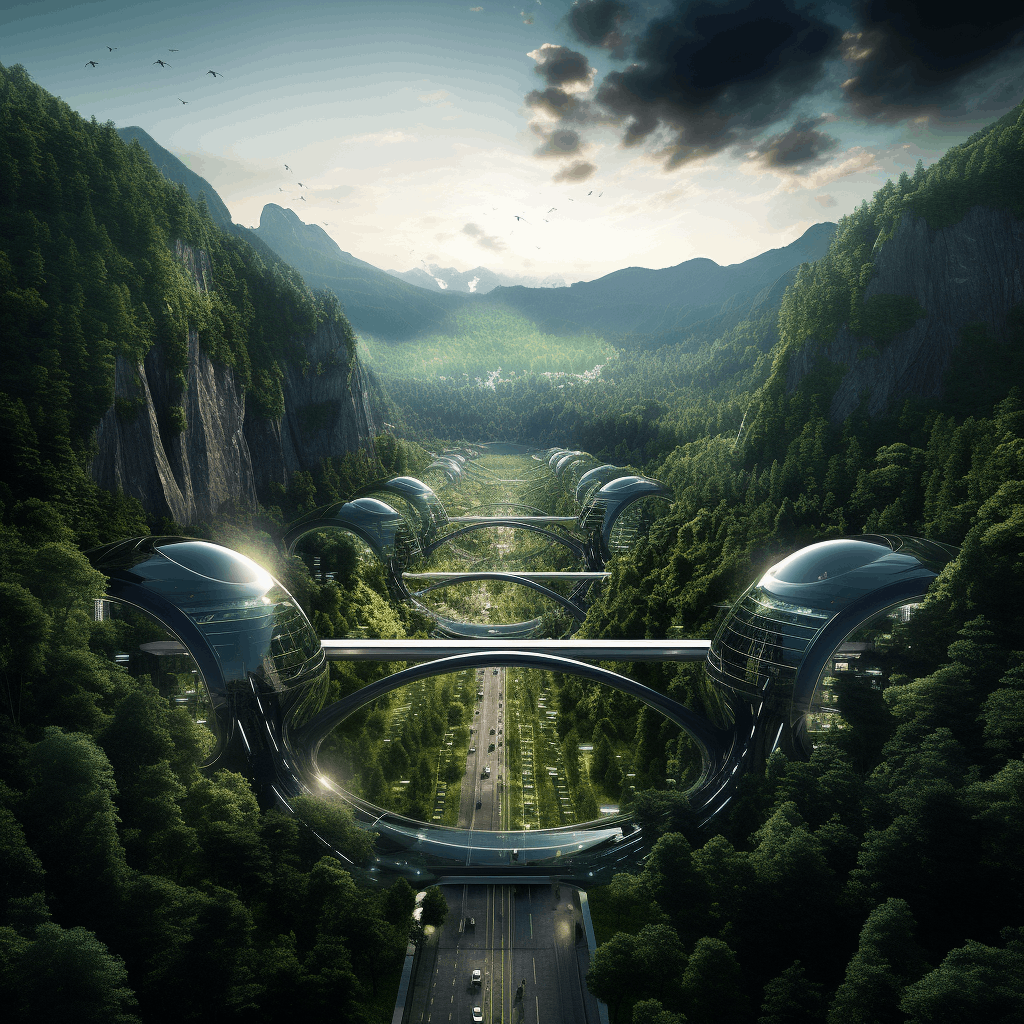
2nd STAGE - INFRASTRUCTURE CITIES - PART 40
Glass cities on the mountains
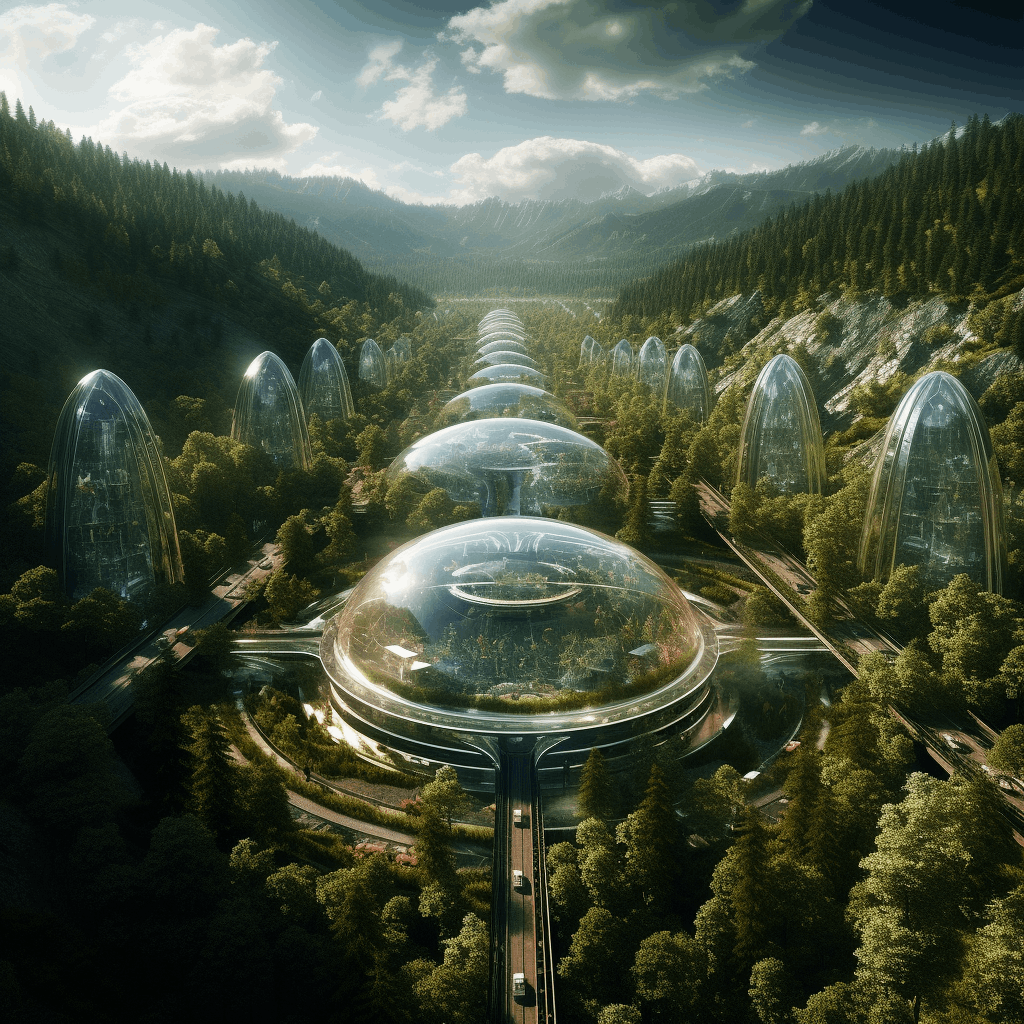
2nd STAGE - INFRASTRUCTURE CITIES - PART 41
Futuristic glass dome cities
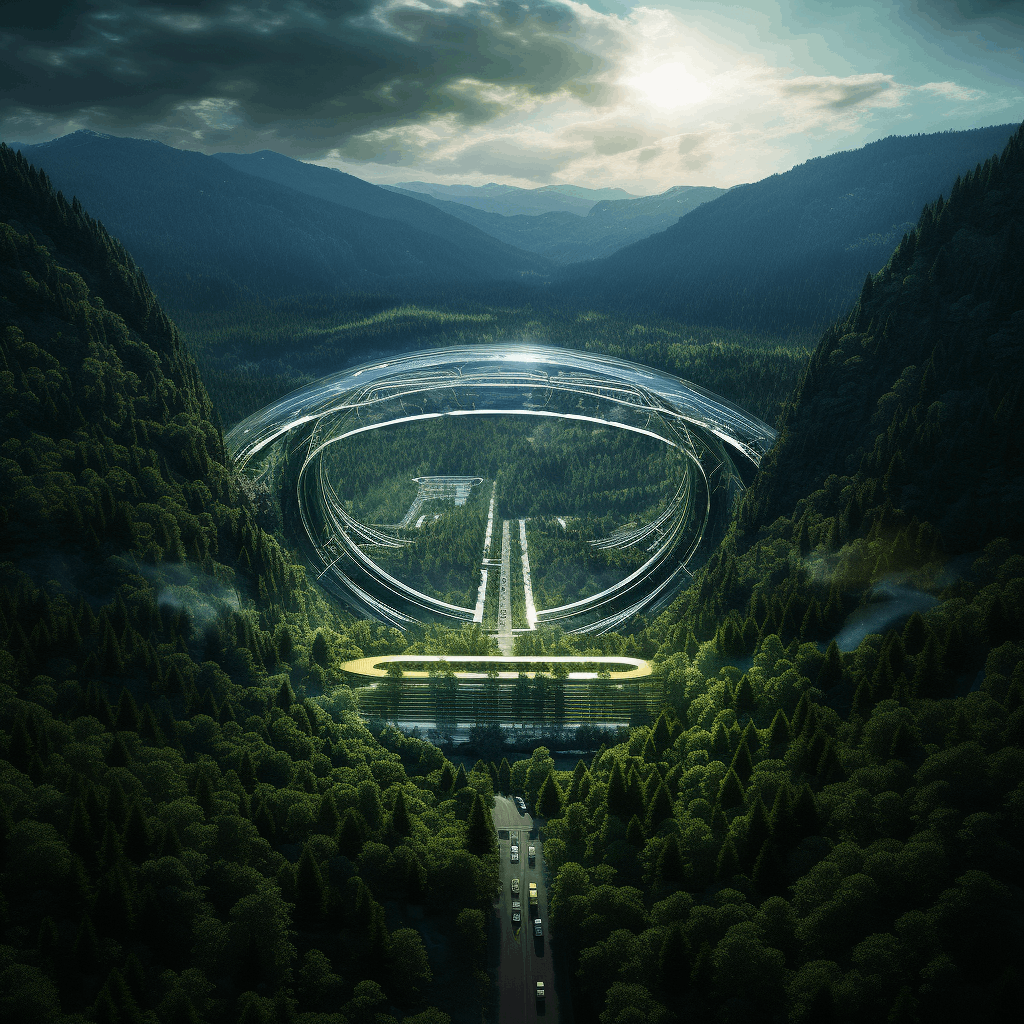
2nd STAGE - INFRASTRUCTURE CITIES - PART 42
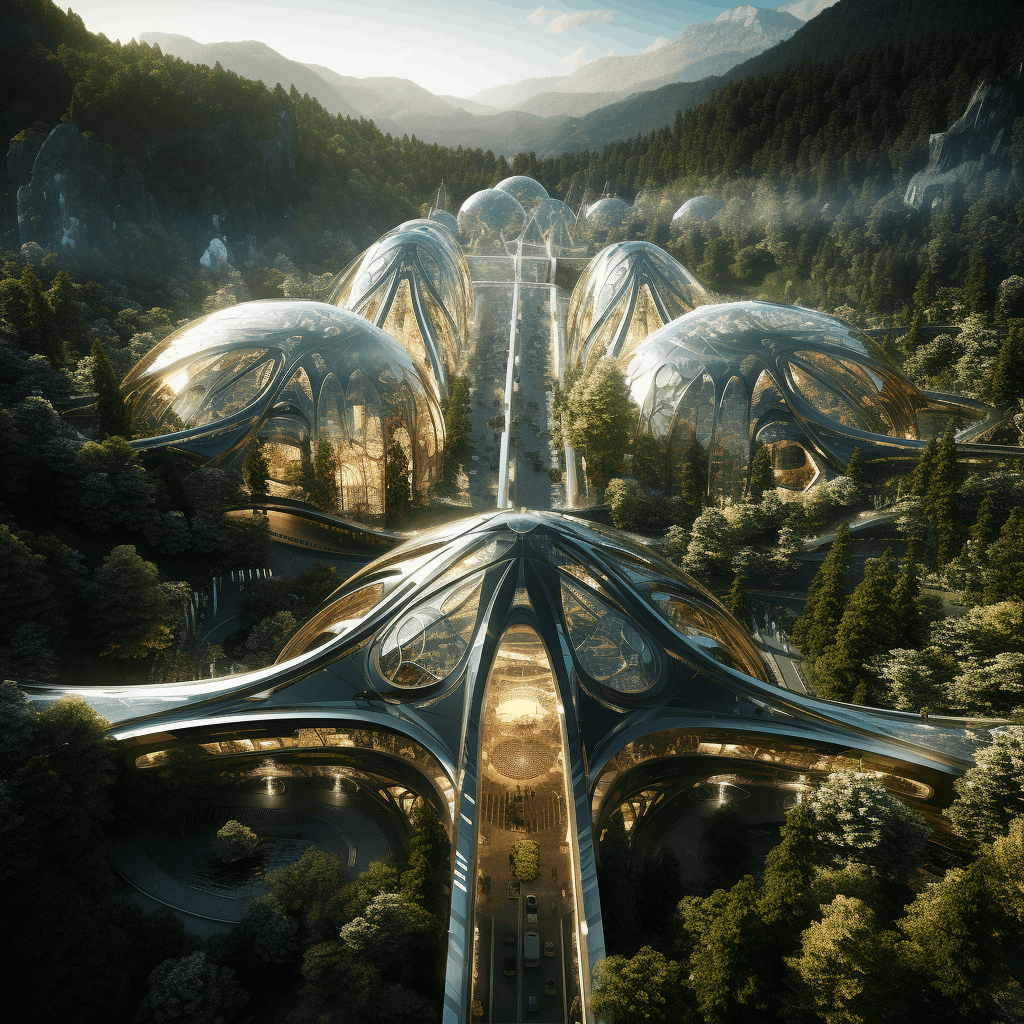
2nd STAGE - INFRASTRUCTURE CITIES - PART 43
Futuristic train stations - Inauguration of a fully parametric and global transportation hub
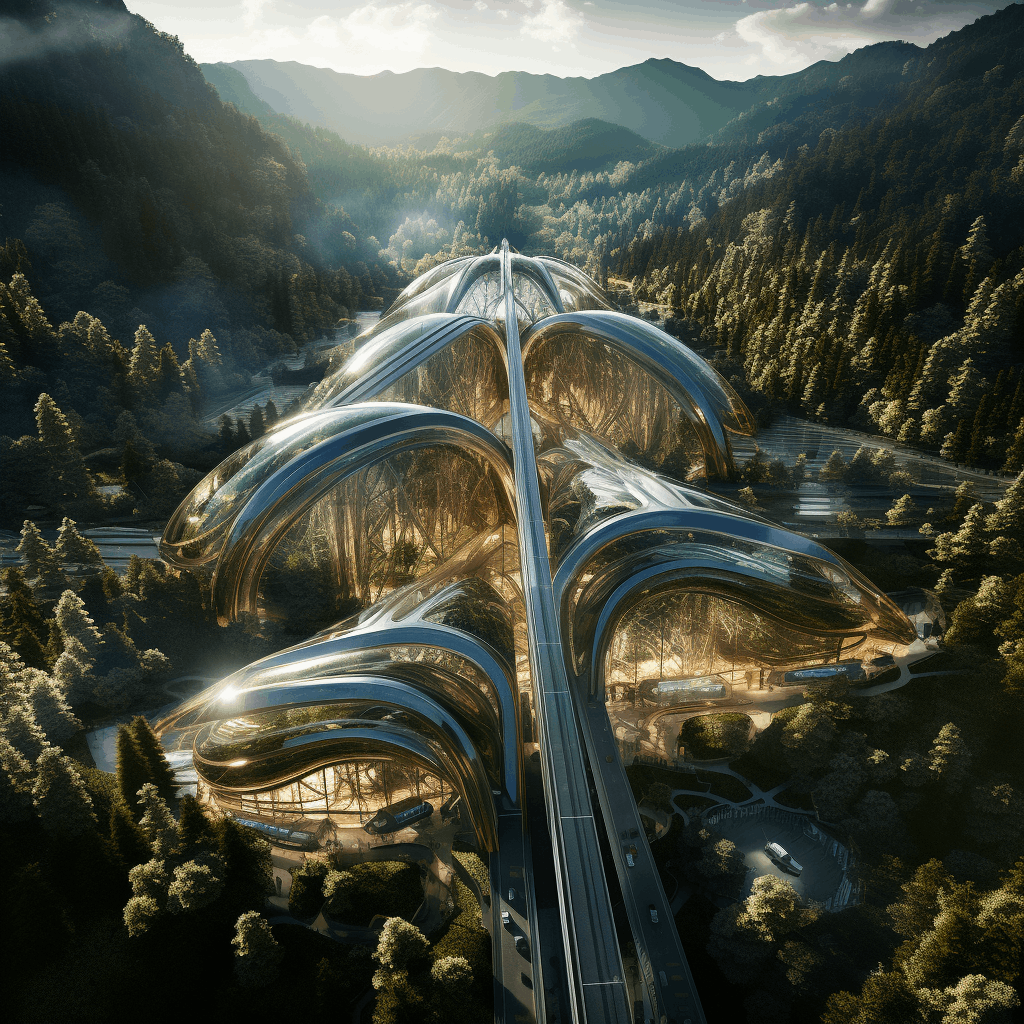
2nd STAGE - INFRASTRUCTURE CITIES - PART 44
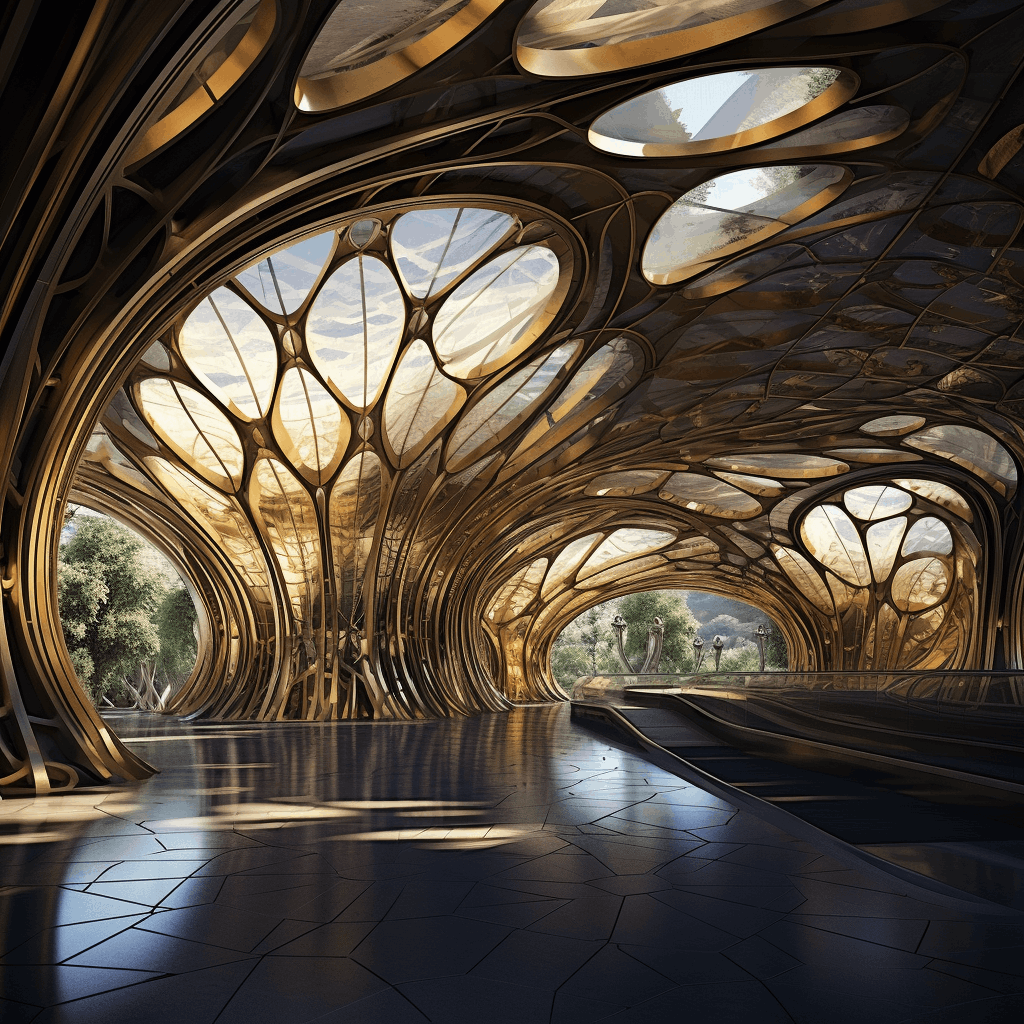
Futuristic train stations which will include biodome abstract shaped dome like structures for housing vegetation and trees from the surrounding lands whilst preserving the natural identity and not destroying the nature.
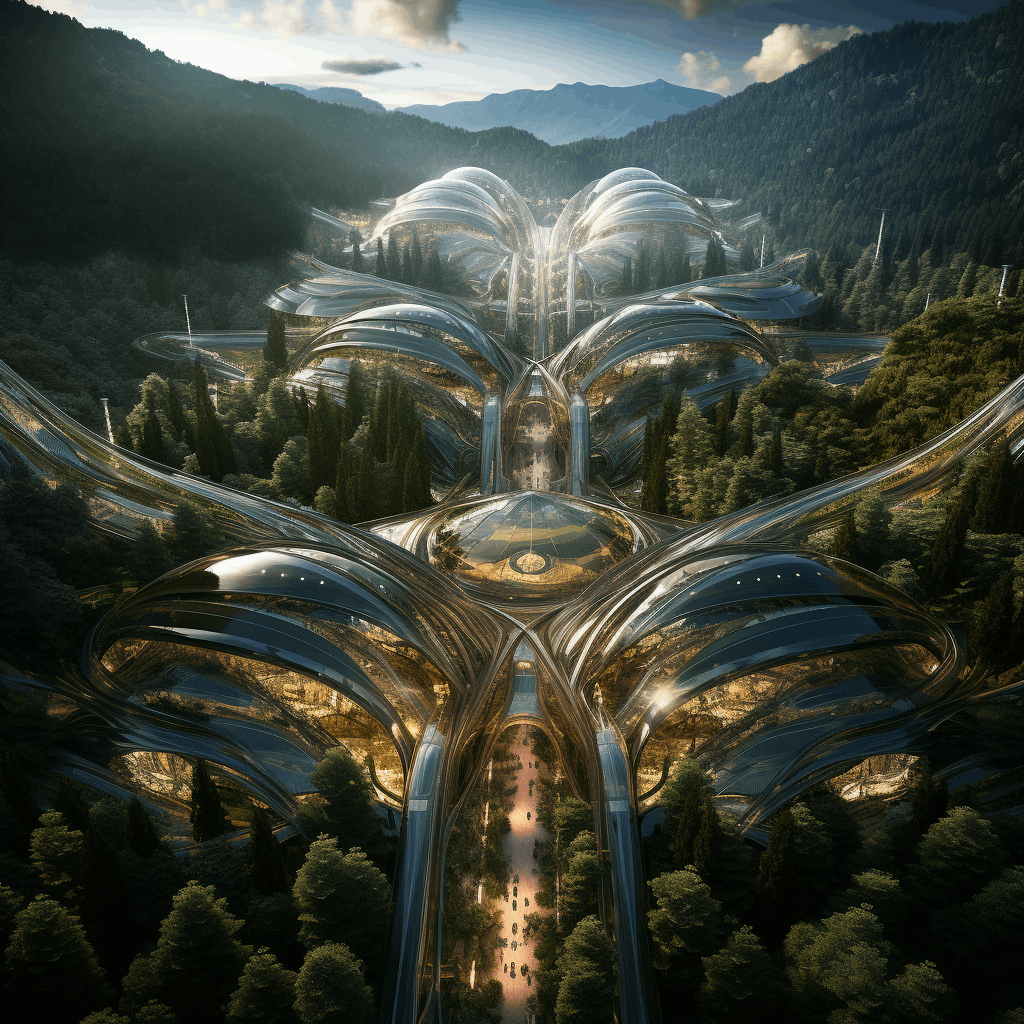
2nd STAGE - INFRASTRUCTURE CITIES - PART 45
Futuristic train stations interconnected with a series of cities
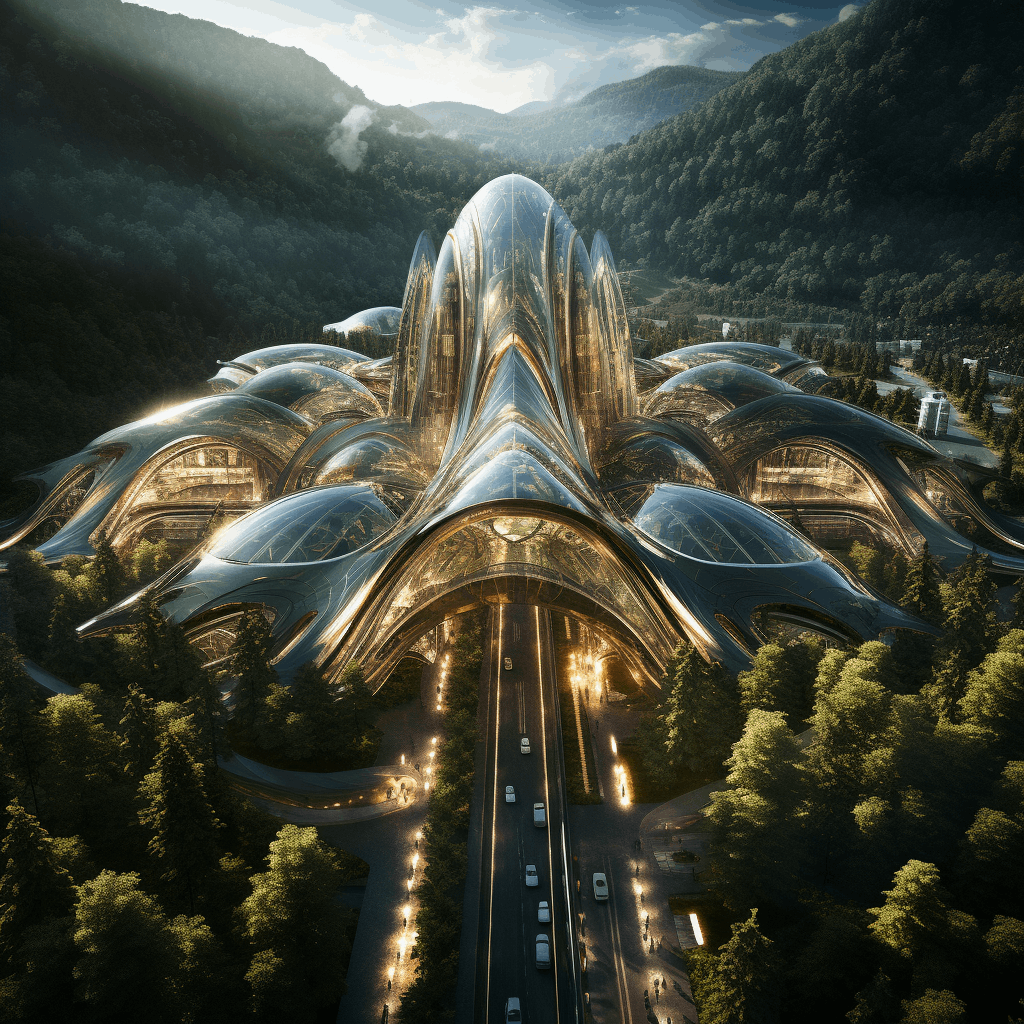
2nd STAGE - INFRASTRUCTURE CITIES - PART 46
Futuristic train stations. The grand entrance
2nd STAGE - INFRASTRUCTURE CITIES - PART 47
Futuristic train stations
2nd STAGE - INFRASTRUCTURE CITIES - PART 48
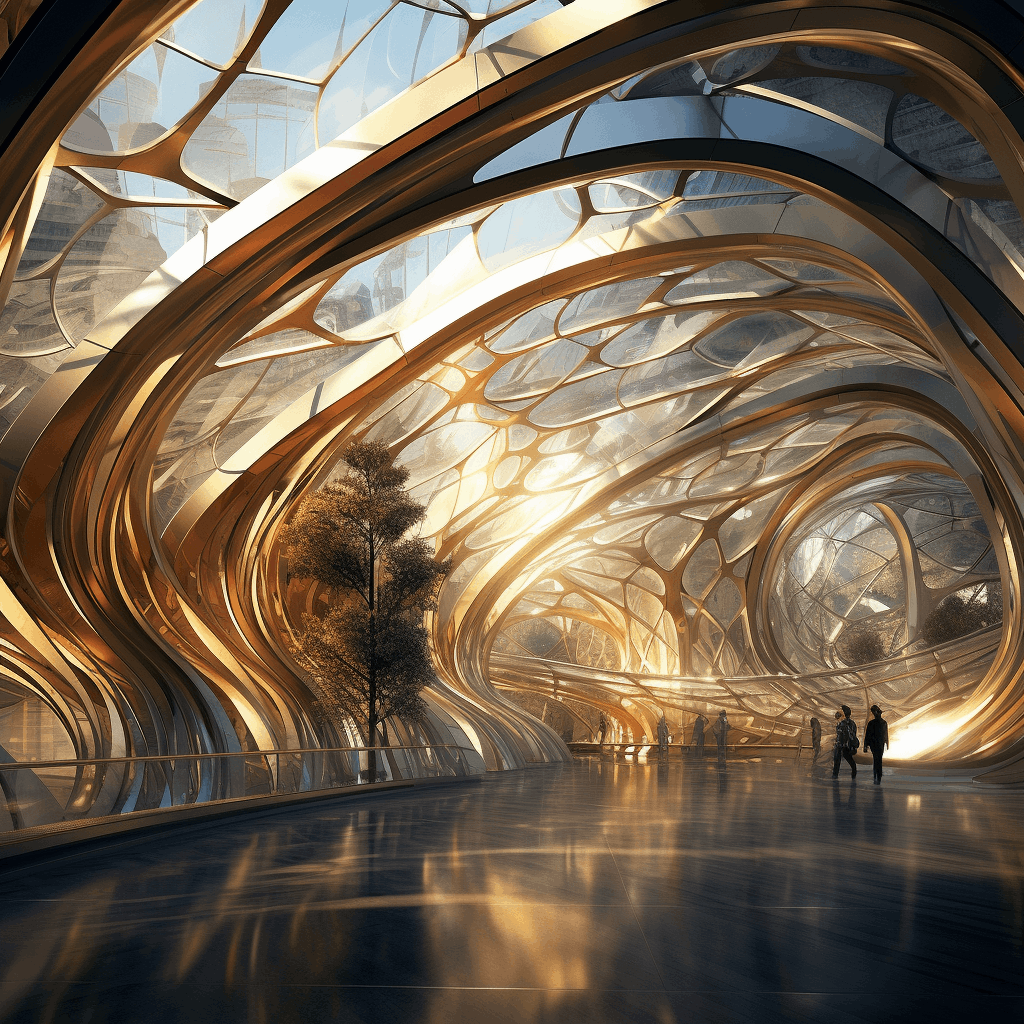
Parametrically designed train stations allowing light through skylights. These structures will be constructed in an intelligent way to store most of the solar energy for future applications used in the stations.
2nd STAGE - INFRASTRUCTURE CITIES - PART 49
Intricate gold abstract parametrically designed structures filled with natural sun light
2nd STAGE - INFRASTRUCTURE CITIES - PART 50
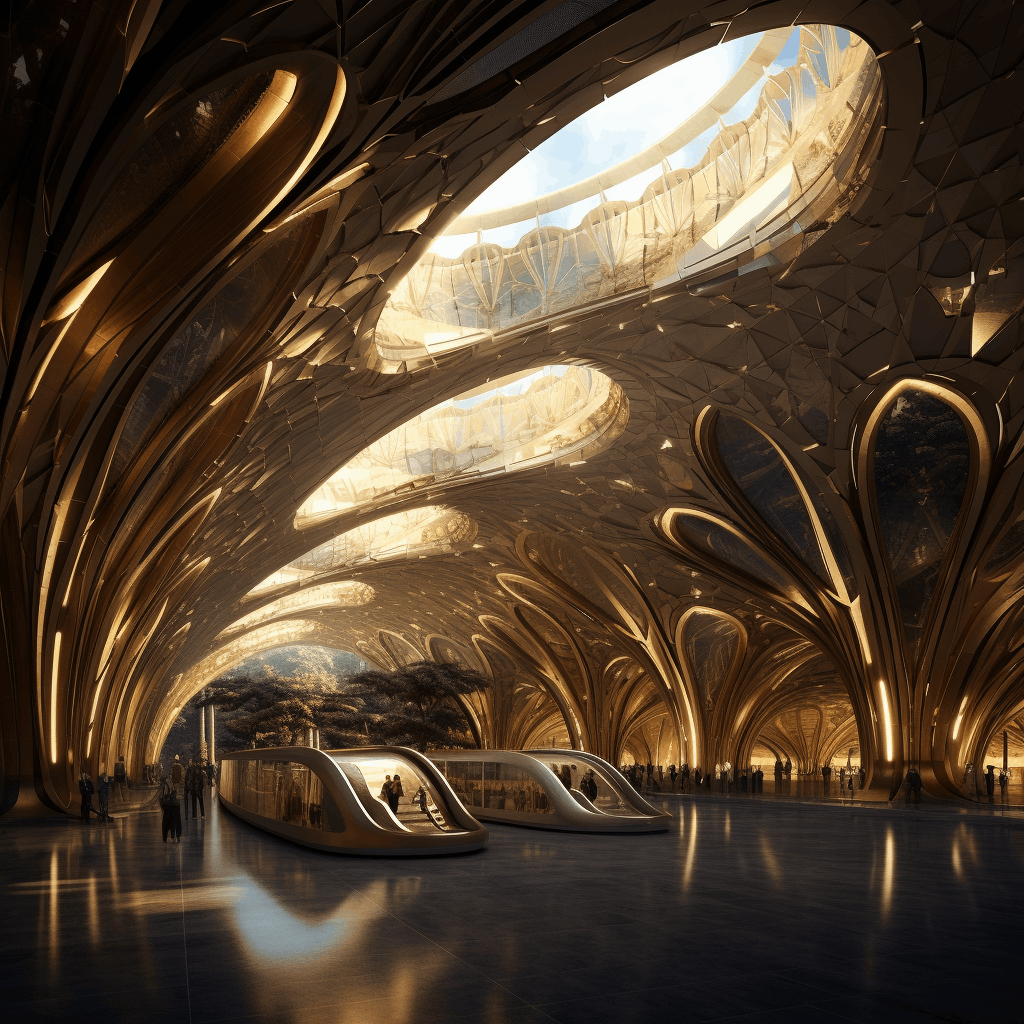
The inside structure of a hyperloop train station
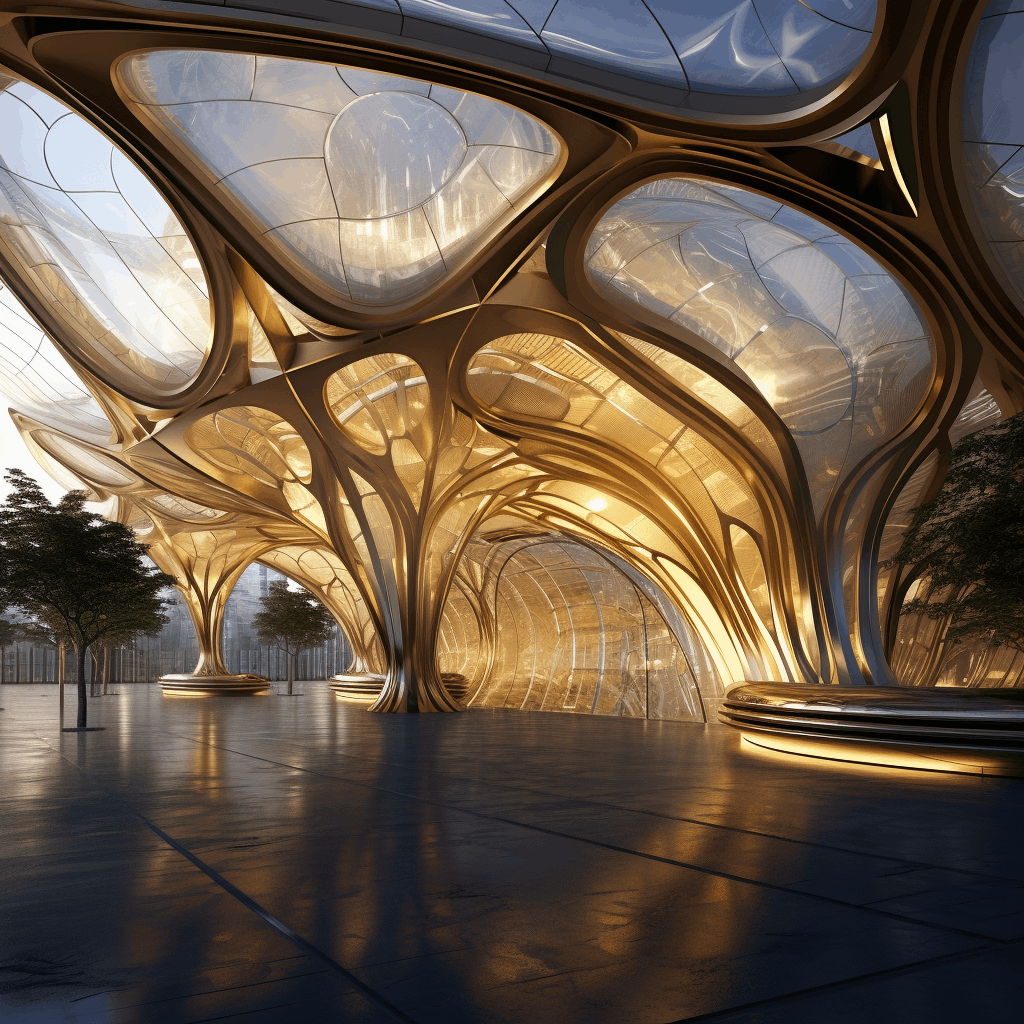
2nd STAGE - INFRASTRUCTURE CITIES - PART 51
Beautifully biomimetic structures that are waiting areas in the train stations.

Michalis Krinou
More by Michalis Krinou
View profile Arch Hive