Back
SUSTAINABLE DEVELOPMENT IN ARCHITECTURE : BUILDING A GREENER FUTURE
Year: 2023
ABSTRACT: This research paper explores sustainable development in architecture, focusing on key principles such as green building materials, energy-efficient design, waste reduction, water conservation, adaptive reuse, and community engagement. Emphasizing the role of architects in creating a greener future, the paper highlights practices like using recycled and locally sourced materials, integrating renewable energy sources, and managing construction waste. It also discusses water-saving technologies and the importance of adaptive reuse in reducing environmental impact. The research concludes by underlining the significance of community engagement through participatory design and education initiatives. This concise overview demonstrates the multifaceted nature of sustainable architecture and its potential to shape a resilient and inclusive built environment. INTRODUCTION: Sustainable development in architecture is an integral part of addressing contemporary environmental challenges and creating a built environment that harmonizes with the natural world. This paper delves into the multifaceted aspects of sustainable development in architecture, emphasizing key principles and their impact on the construction industry and the broader ecosystem. By exploring the integration of green building materials, energy-efficient design, waste reduction, water conservation, adaptive reuse, and community engagement, we aim to illustrate how architects can contribute to a more environmentally conscious and resilient future. 1. Green Building Materials: The choice of materials in construction significantly influences the environmental impact of buildings. Sustainable architecture places a strong emphasis on the use of green building materials that minimize resource depletion and promote ecological balance. Recycled steel, bamboo, reclaimed wood, and other environmentally friendly materials are gaining popularity for their ability to reduce the carbon footprint associated with construction. 1.1 Recycled and Recyclable Materials Incorporating recycled materials into construction not only reduces the demand for virgin resources but also minimizes the energy required for extraction and processing. Additionally, the use of recyclable materials ensures that, at the end of a building's life cycle, its components can be easily repurposed or recycled, contributing to a circular economy in the construction industry. 1.2 Locally Sourced Materials Transporting materials over long distances contributes to greenhouse gas emissions. Sustainable development in architecture encourages the use of locally sourced materials to reduce the environmental impact of transportation. This approach not only supports local economies but also helps create a more resilient and sustainable supply chain. 2. Energy-Efficient Design: Architects play a crucial role in reducing the energy consumption of buildings through innovative design strategies. Energy-efficient buildings not only lower operational costs but also contribute to a more sustainable and resilient infrastructure. 2.1 Passive Design Strategies Passive design strategies focus on maximizing natural light and ventilation, reducing the need for artificial lighting and air conditioning. Well-designed buildings take advantage of the local climate, incorporating features such as large windows, shading devices, and thermal mass to enhance energy efficiency. 2.2 Integration of Renewable Energy Sources Harnessing renewable energy sources is a key component of sustainable architecture. Solar panels, wind turbines, and other renewable technologies can be integrated into building design to generate clean energy on-site. This not only reduces reliance on fossil fuels but also contributes to a more sustainable energy grid. 3. Waste Reduction and Recycling: Construction activities generate a significant amount of waste, contributing to landfill congestion and environmental degradation. Sustainable development in architecture places a strong emphasis on waste reduction and recycling throughout the construction process. 3.1 Construction Waste Management Architects can design with a focus on minimizing construction waste by specifying modular components, pre-fabricated materials, and efficient construction techniques. Contractors can implement waste management plans that prioritize recycling and reuse, diverting materials from landfills and minimizing the environmental impact of construction activities. 3.2 Life Cycle Assessment Sustainable architecture considers the entire life cycle of a building, from construction to demolition. Life cycle assessment (LCA) tools help architects and developers analyse the environmental impact of materials and design choices over the entire lifespan of a building, guiding decisions that optimize sustainability. 4. Water Conservation: Water scarcity is a pressing global issue, and sustainable development in architecture addresses this challenge through the incorporation of water-saving technologies and practices. 4.1 Rainwater Harvesting Rainwater harvesting systems capture and store rainwater for later use, reducing reliance on traditional water sources. These systems can be integrated into building design, providing a sustainable and decentralized water supply for non-potable uses such as irrigation and flushing. 4.2 Efficient Plumbing Fixtures and Landscape Design Sustainable architecture promotes the use of water-efficient plumbing fixtures, such as low-flow toilets and faucets, to minimize water consumption. Additionally, landscape design plays a crucial role in water conservation by incorporating drought-tolerant plants and efficient irrigation systems. 5. Adaptive Reuse and Urban Planning: Sustainable development extends beyond individual buildings to encompass broader urban planning strategies. Adaptive reuse and thoughtful urban planning contribute to more sustainable, resilient, and socially inclusive communities. 5.1 Adaptive Reuse of Existing Structures Rather than demolishing existing buildings, sustainable architecture promotes adaptive reuse. Transforming old structures into functional spaces not only preserves cultural heritage but also reduces the environmental impact associated with new construction. This approach aligns with the principles of circular economy by extending the life cycle of existing structures. 5.2 Mixed Land-Use Planning Sustainable urban planning emphasizes mixed land-use, creating neighborhoods where residential, commercial, and recreational spaces are integrated. This reduces the need for extensive commuting, fostering walkable communities and reducing the environmental impact of transportation. 6. Community Engagement: Community engagement is a fundamental aspect of sustainable development in architecture. Architects should actively involve local communities in the design and decision-making processes to ensure that buildings meet the needs and cultural values of the people they serve. 6.1 Participatory Design Participatory design involves collaborating with community members to gather insights, preferences, and concerns. This inclusive approach ensures that architectural designs reflect the unique characteristics of the community and contribute to social sustainability. 6.2 Education and Outreach Sustainable development in architecture requires a shift in mindset and behavior. Architects can engage in education and outreach initiatives to raise awareness about the benefits of sustainable design among community members, policymakers, and other stakeholders. CASE STUDIES: SUSTAINABLE DEVELOPMENT IN INDIA
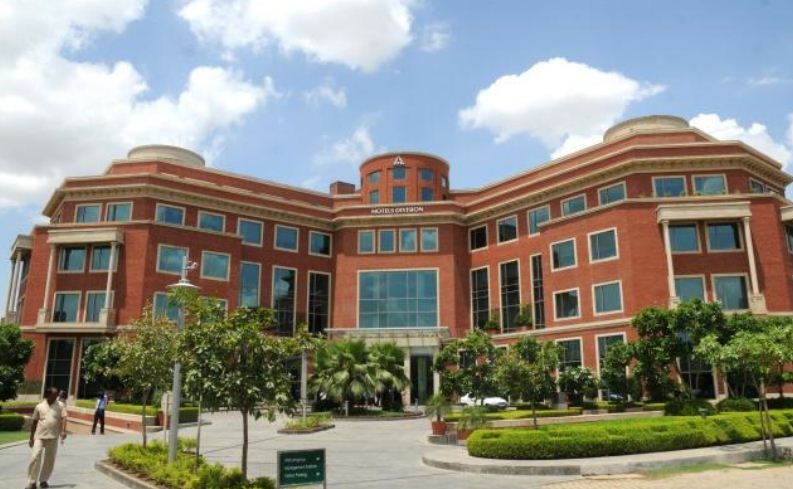
1. ITC Green Centre, Gurgaon
In the heart of Gurgaon, the ITC Green Centre stands as a testament to sustainable architecture. Designed to be a carbon-positive building, it incorporates various green features. The structure utilizes recycled and locally sourced materials, and its energy-efficient design includes rooftop solar panels that generate clean energy. The Green Centre also implements rainwater harvesting and wastewater treatment, reducing its impact on local water resources.
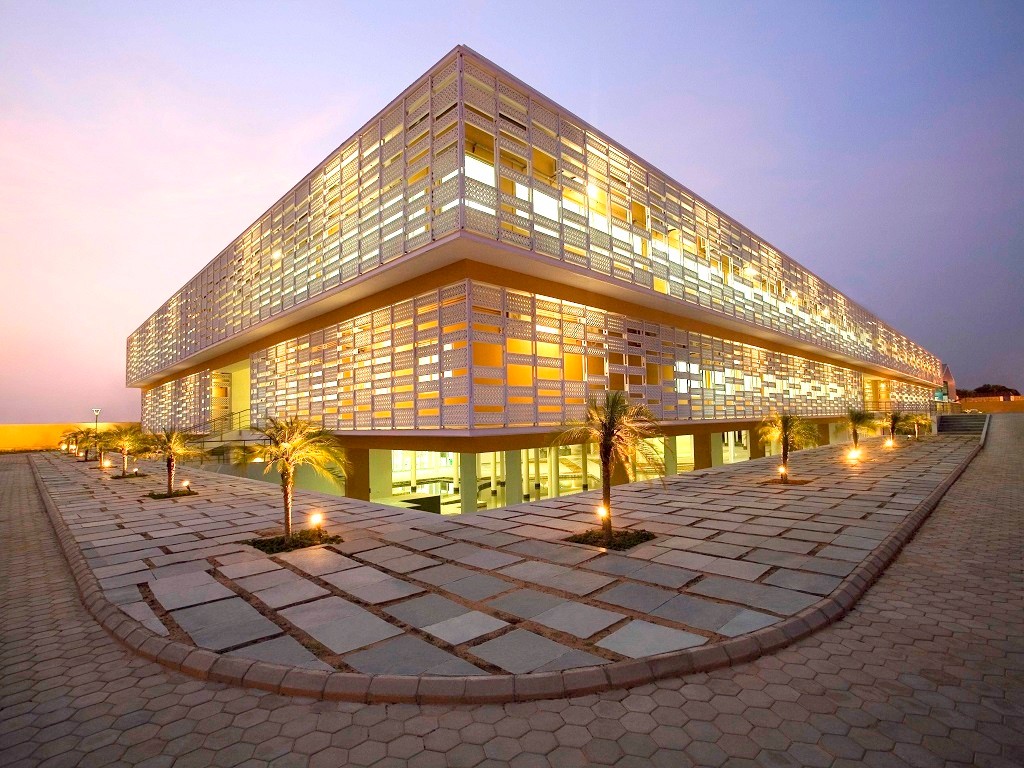
2. Pearl Academy, Jaipur
The Pearl Academy campus in Jaipur combines contemporary design with sustainable practices. The building features a unique façade designed to provide shade and reduce heat gain. The architects incorporated recycled materials, and the campus includes energy-efficient lighting and ventilation systems. Pearl Academy also engages with students, fostering an understanding of sustainable principles in the next generation of architects.

3. The S House, Kerala
The S House in Kerala exemplifies sustainable architecture in a residential context. The design prioritizes passive cooling techniques, utilizing natural ventilation to maintain a comfortable indoor environment. The use of locally available materials and traditional construction methods minimizes the ecological footprint. Additionally, the house integrates rainwater harvesting and solar water heating systems, promoting self-sufficiency.
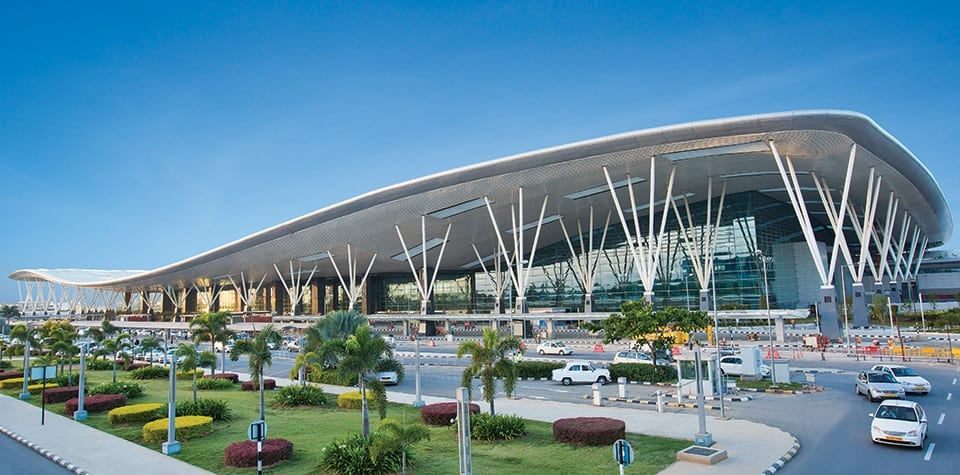
4. Bengaluru International Airport
Bengaluru International Airport has undergone significant renovations with sustainability in mind. The airport incorporates energy-efficient lighting, rainwater harvesting, and waste management practices. The architecture prioritizes natural lighting in the terminal buildings, creating a welcoming and energy-efficient environment for travelers.
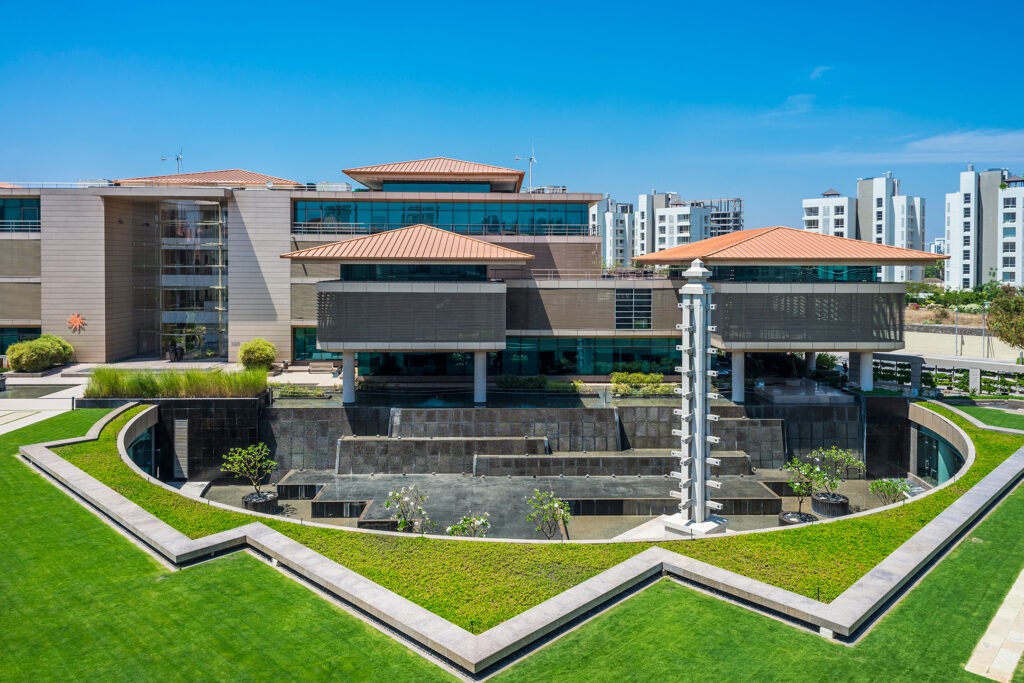
5. Suzlon One Earth, Pune
Suzlon One Earth in Pune is an office campus that embraces sustainability. The buildings are designed to optimize natural light, reducing the need for artificial lighting. The campus incorporates green roofs, which not only enhance energy efficiency but also provide additional green spaces. Suzlon One Earth also focuses on water conservation through rainwater harvesting and efficient landscaping practices. These case studies from across India showcase the diversity of sustainable practices in architecture. Whether in commercial, residential, or public spaces, architects in India are increasingly integrating environmentally friendly principles into their designs, contributing to a greener and more sustainable built environment. CONCLUSION: In conclusion, sustainable development in architecture is a holistic and dynamic approach that addresses environmental, social, and economic considerations. By prioritizing green building materials, energy-efficient design, waste reduction, water conservation, adaptive reuse, and community engagement, architects can contribute to the creation of a built environment that is both ecologically and socially sustainable. As the construction industry evolves, embracing these principles becomes imperative for shaping a greener, more resilient future. By integrating sustainable practices into architectural design and urban planning, we can build a foundation for a sustainable, regenerative, and inclusive built environment that meets the needs of current and future generations. REFERENCES: 1. https://www.archdaily.com/970521/what-is-sustainable-architecture 2. https://greenbuildingcanada.ca/sustainable-architecture-essential-aspects/ 3. https://en.wikipedia.org/wiki/Sustainable_architecture 4. Gissen, D. (2015). Subnature: Architecture's Other Environments. Princeton Architectural Press. 5. Poirazis, H., & Kensek, K. (2017). Building Information Modeling for Dummies. John Wiley & Sons. 6. Cole, R. J. (2017). Sustainable Architecture: Principles, Paradigms, and Case Studies. Routledge. 7. Kibert, C. J. (2008). Sustainable Construction: Green Building Design and Delivery. John Wiley & Sons. 8. ICT green center image - Jitendradewoolkar.com/sustainable-architecture/itc-green-center-gurgoan 9. Suzlon one earth image- https://www.architectural-review.com/buildings/suzlon-one-earth-pune-india-by-christopher-benninger 10. The S Kerala image - https://i.pinimg.com/originals/11/4c/e9/114ce94d782662858157cbe701ed5ab3.jpg 11. The Pearl Academy image - https://www.getmyuni.com/college/pearl-academy-jaipur 12. Bengaluru International Airport image - www.dqindia.com/bangalore-international-airport

Khushi Jaiswal
More by Khushi Jaiswal
View profile Arch Hive