Back
The Architecture of Vibration: Form Follows Resonance!
Year: 2022
Skills: Rhino, Photoshop, Procreate
How might architecture be designed without visual ability? Architecture has been focused on its visual quality, both from the point of view of the designer and the user. In designing architecture, an architect requires the ability and sensitivity in terms of visuals. However, this design sees that there are other senses possessed by humans that play a role in sensing space, one of which is hearing. This project is an architectural concept that explores resonance as the bases of the formation and programming. It is situated in a context where the user and architect do not rely on visual ability. The form finding was developed through various explorations and physical prototyping by relying on resonance. Here, architectural elements are redefined due to the inactivity of the visual senses, which were previously dominant in perceiving and experiencing space. Space now exists as a cavity, a medium for vibrations that help users navigate. The cavity and the solid synergize to achieve a specific frequency that becomes the identity of the architecture itself. This study is expected to be a trigger for the development of architectural design practice in the future, that there are opportunities in designing architecture without visual abilities by pushing the potential of resonance and auditory. This study also opens the possibility for other sensory experience-based designs, expanding the potential of architecture as an enabling environment for various sensory experiences.
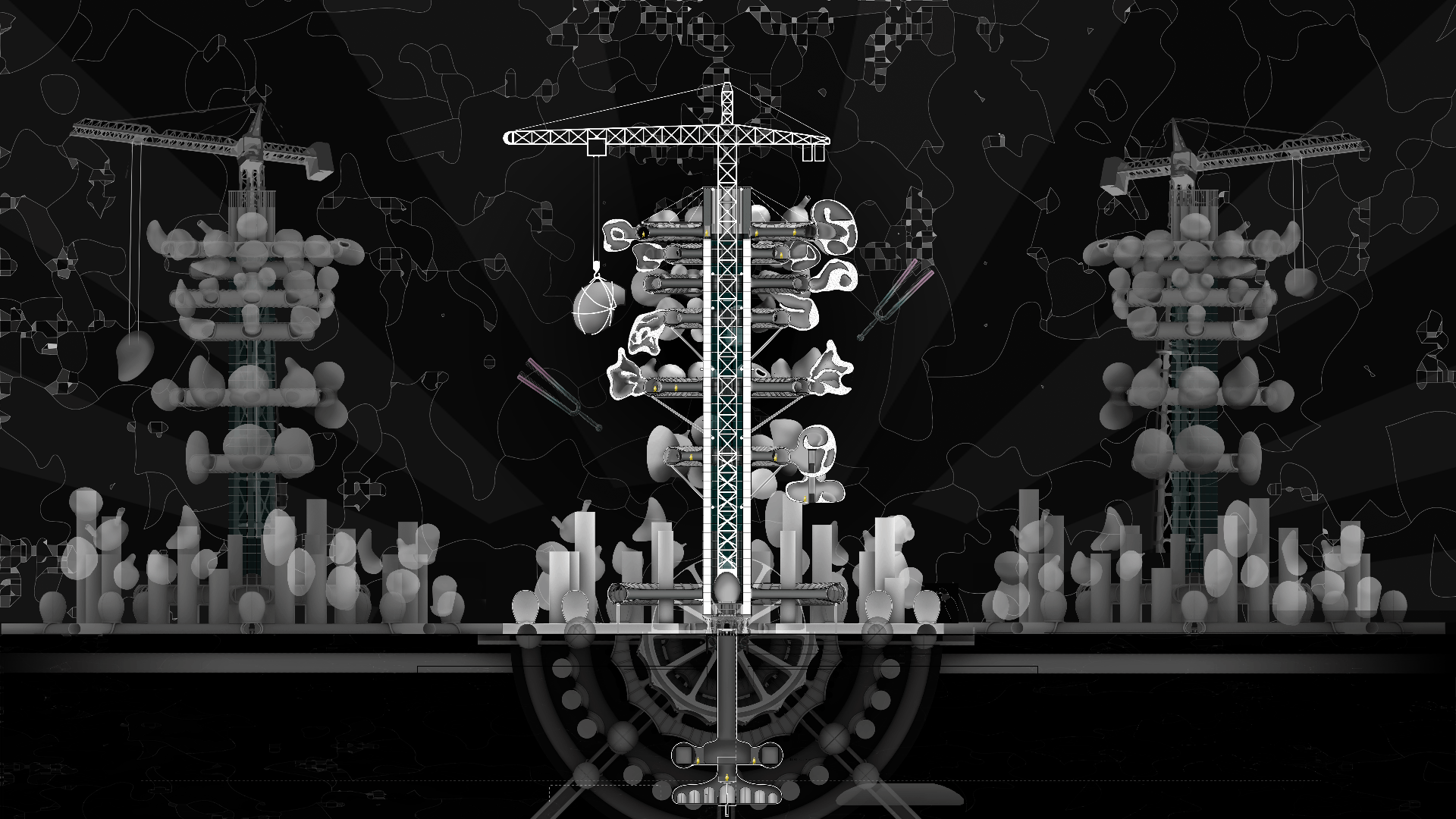
The Architecture of Vibration Section
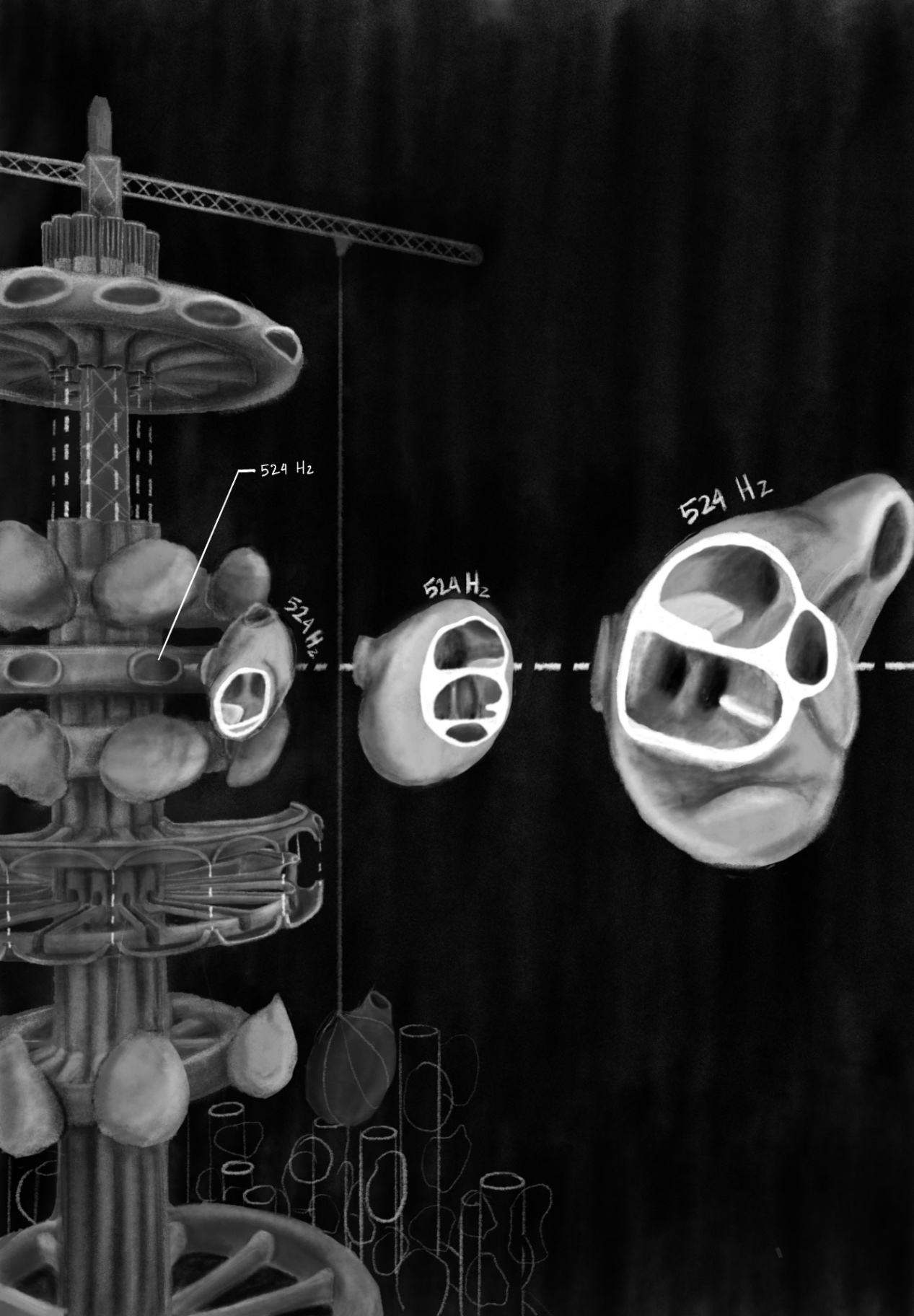
Form Follows Resonance
Since the goal is to reach a specific frequency, a 524 Hz pod (for example) might have endless possibilities in terms of the form and programme, as long as it is tuned to 524 Hz and plugged into the designated host.
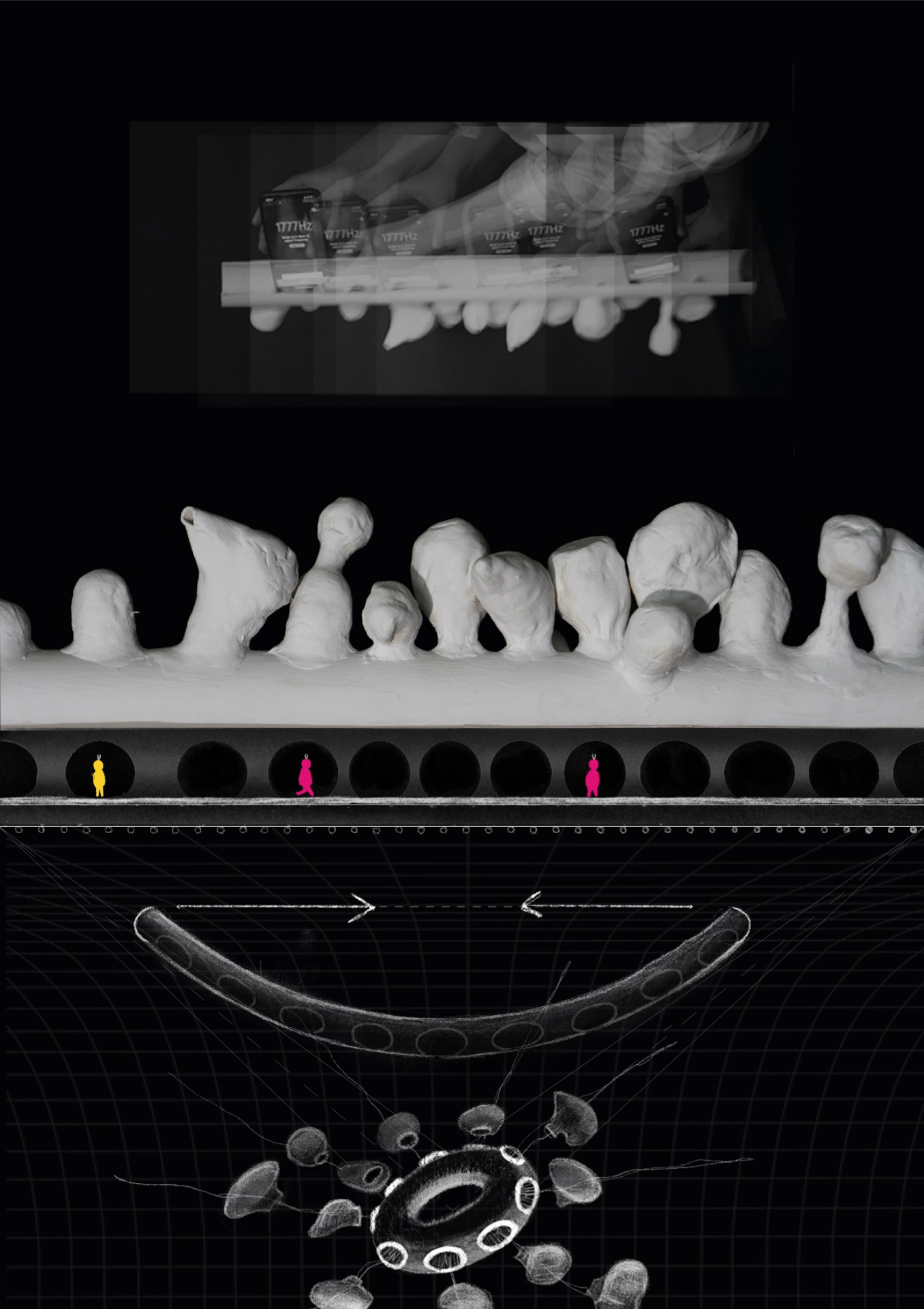
Resonance-based Wayfinding
The identity in the form of frequency becomes very important for the user to identify the space and to navigate.
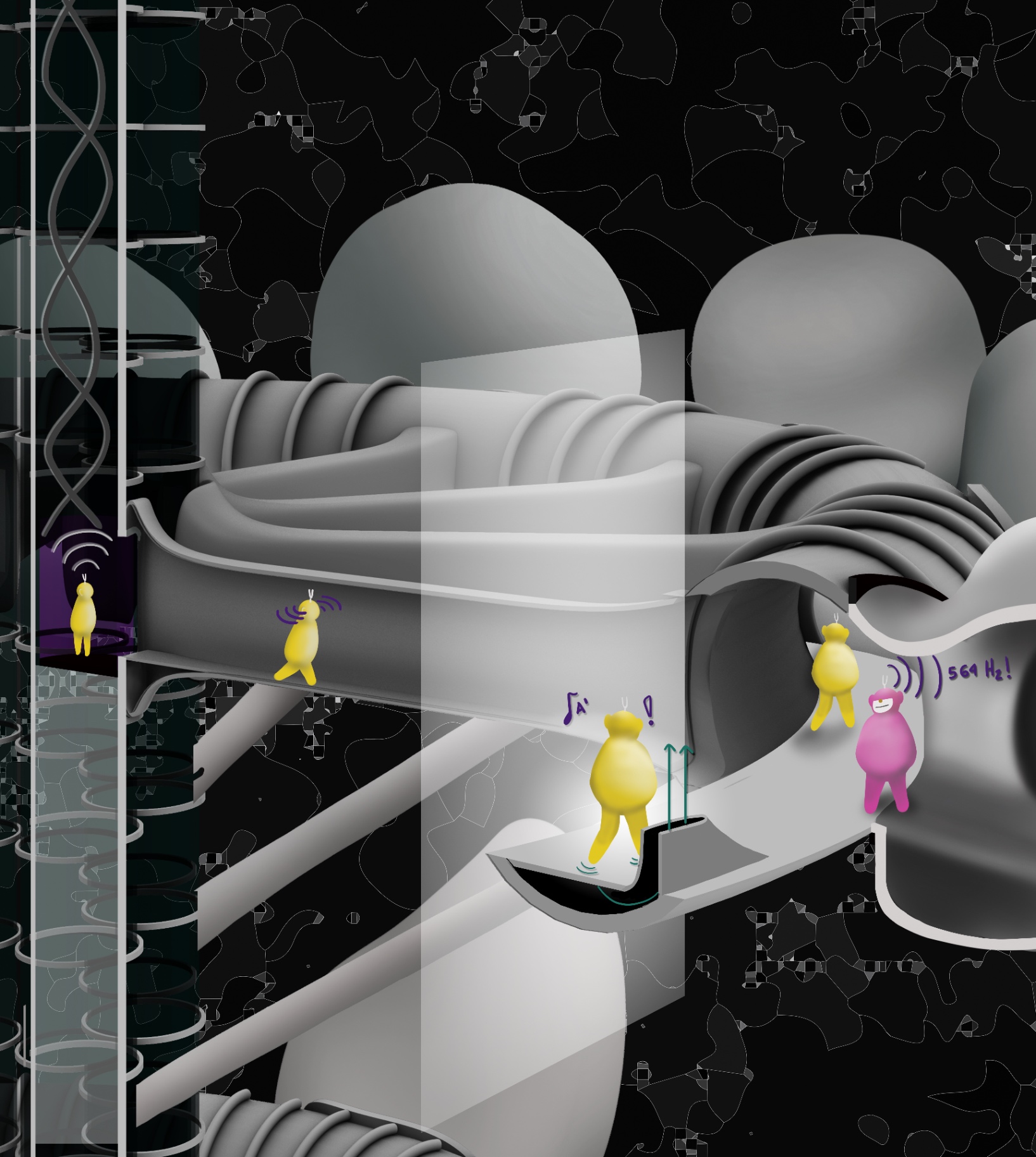
Navigating with Resonance (1)
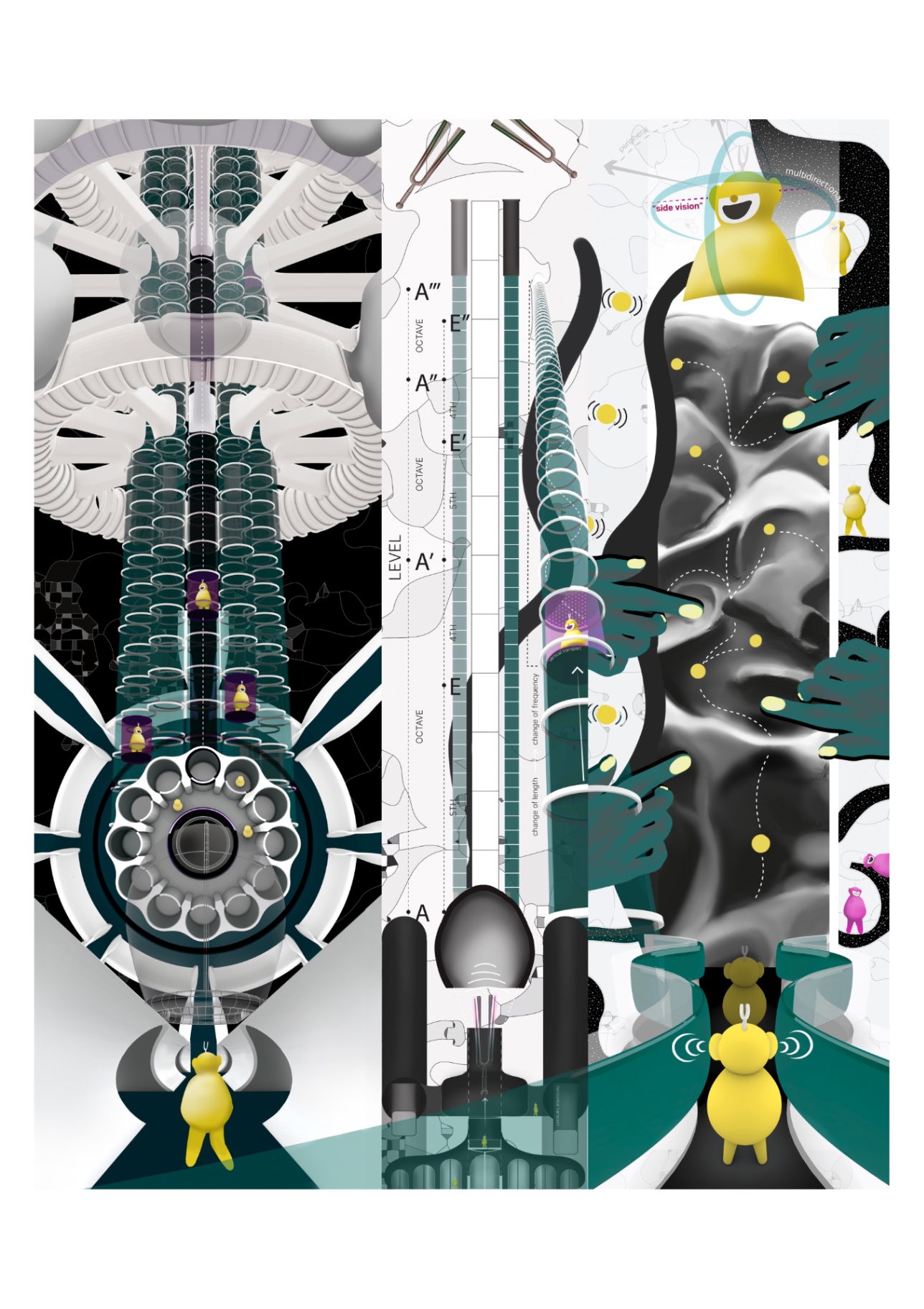
Navigating with Resonance (2)
The users “see” with their ears and read the space by noticing the changes in the size of the space.
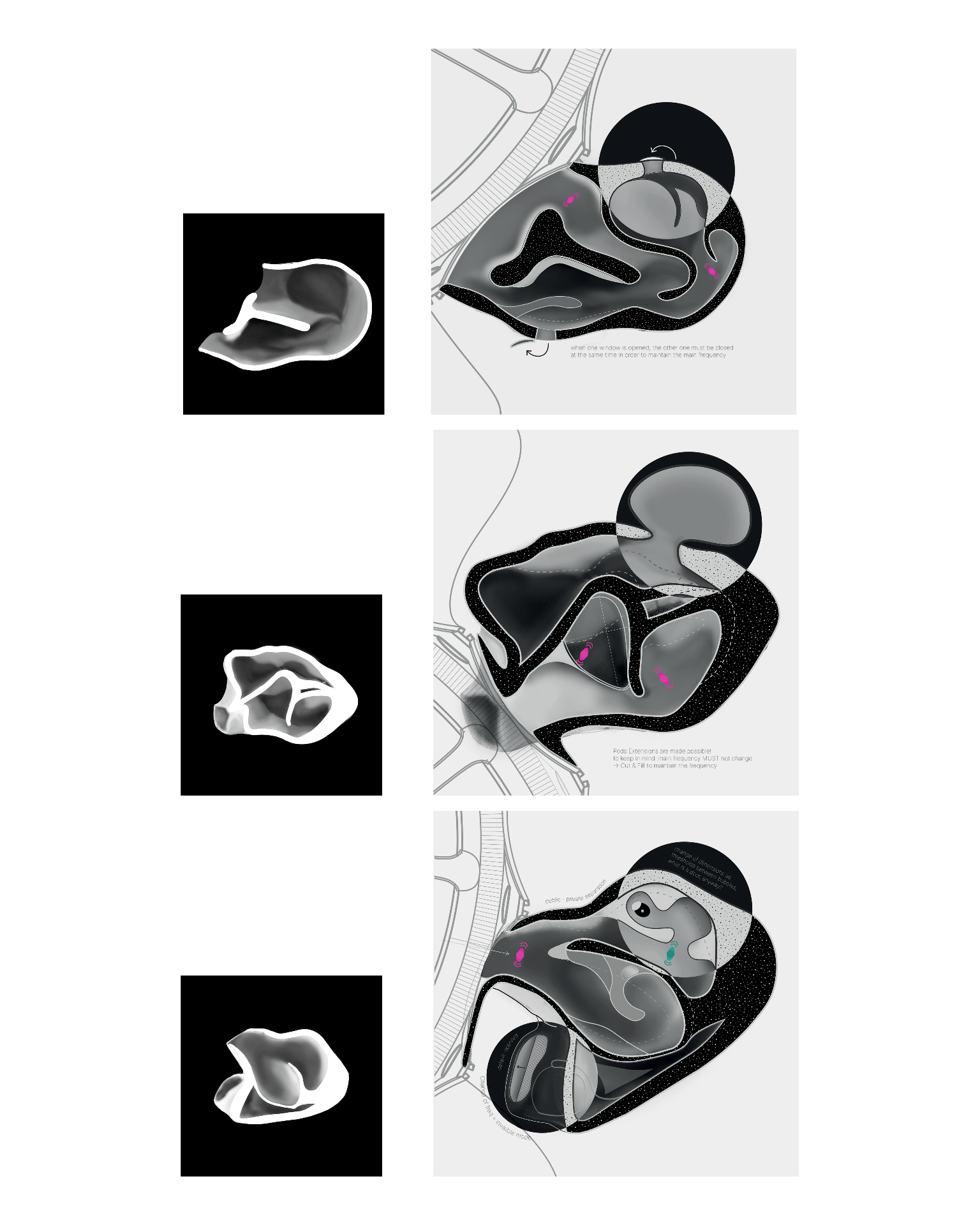
Micro: Interior System
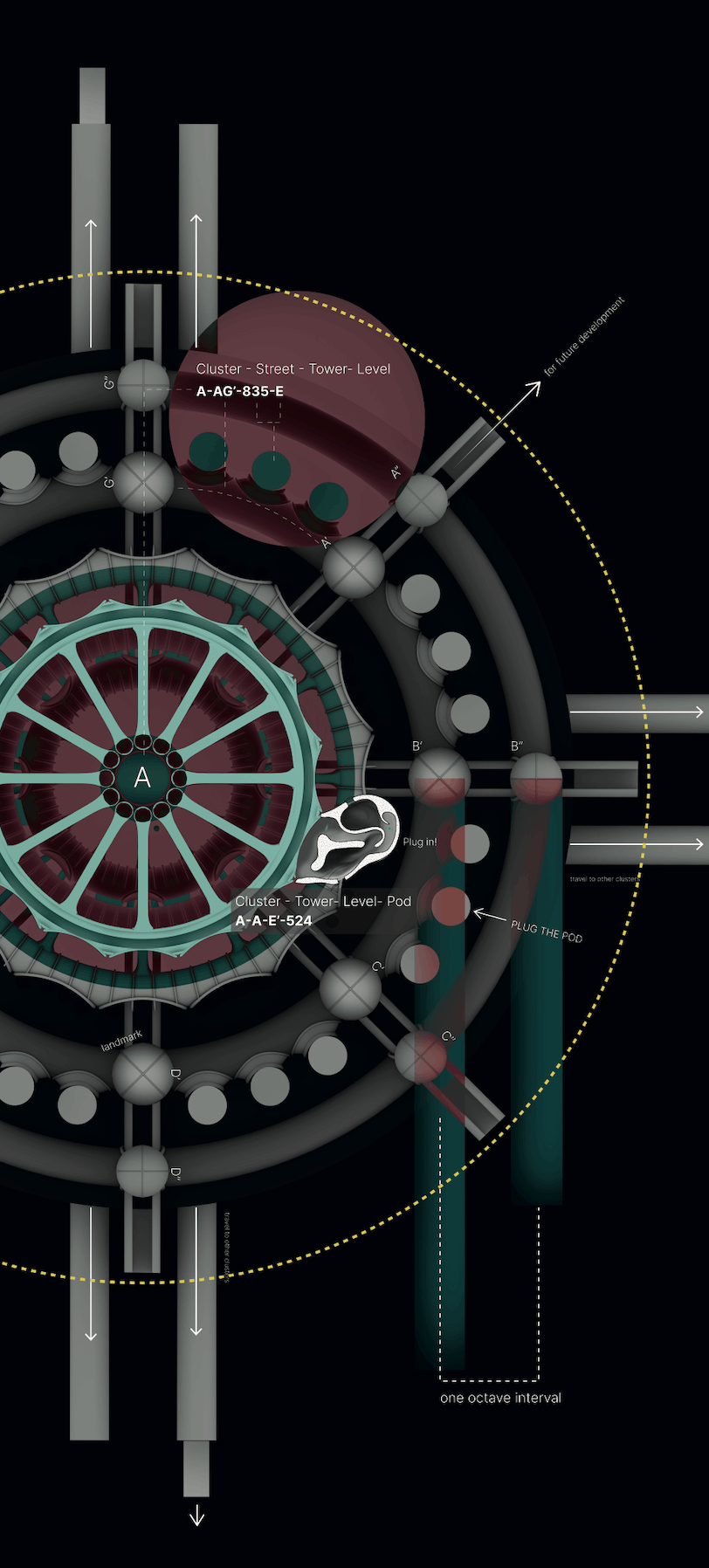
Macro: Overall Plan
The absence of visuals affects how the architecture is programmed. We shift to focusing more on the flow, how they navigate from place to place, from the micro scale, to macro.
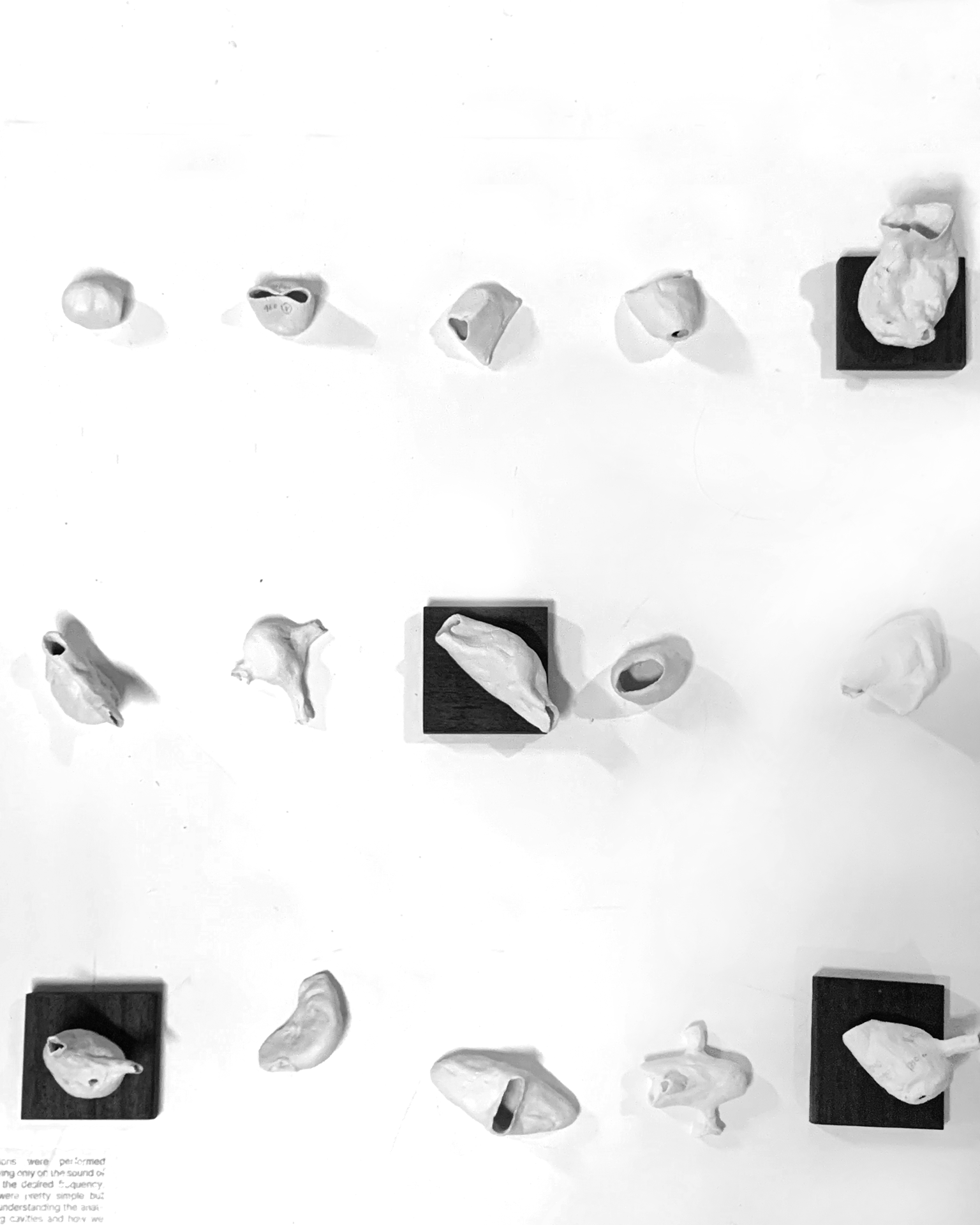
Prototypes: Pods with different frequencies
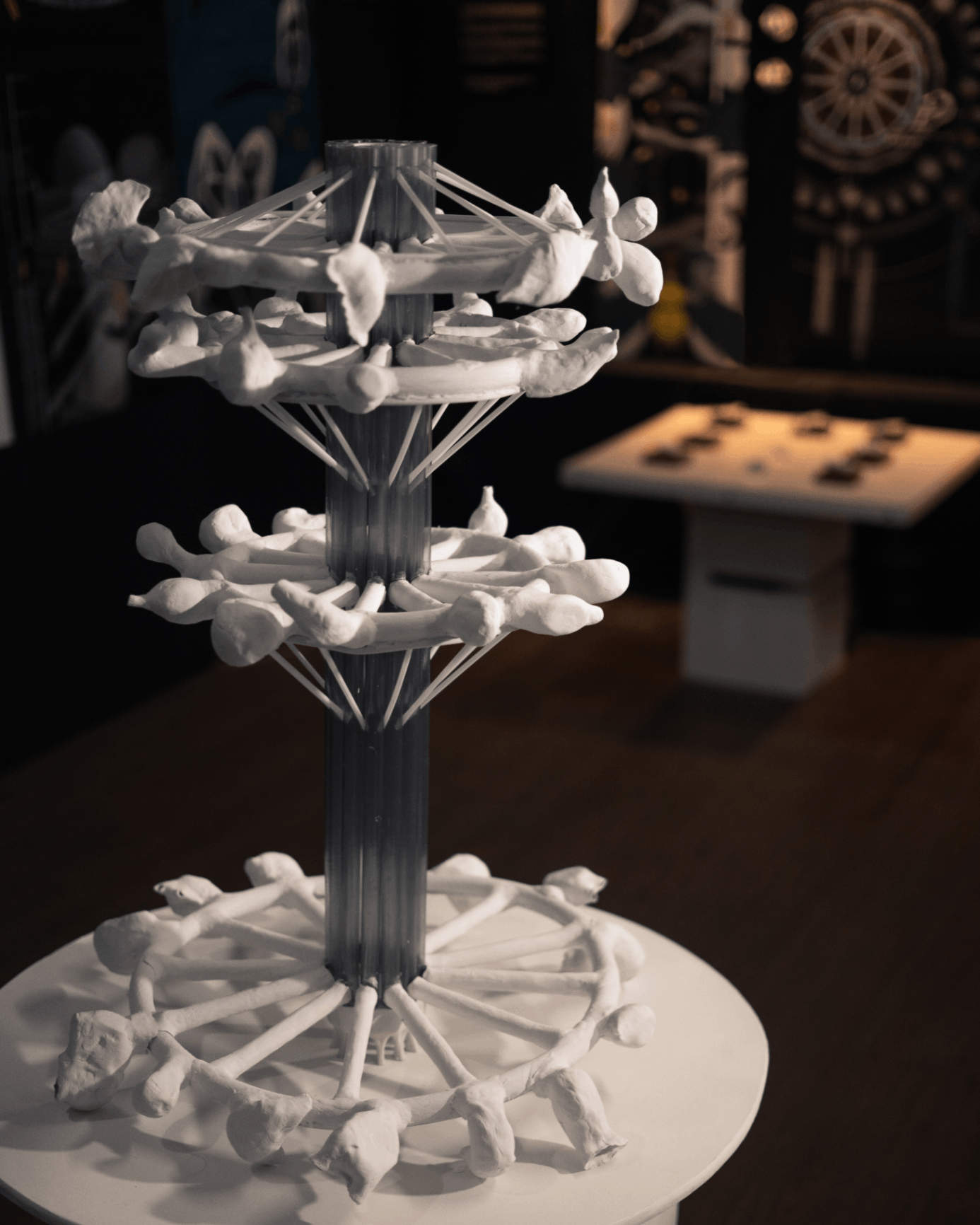
Plugged-in!
The prototyping process was conducted without vision to prevent any visual intervention, so the resulting pods are formed solely based on the natural frequency.

The Architecture of Vibration: Form Follows Resonance!

Alya Hasna Rizky Riandita
More by Alya Hasna Rizky Riandita
View profile Arch Hive